John Cage
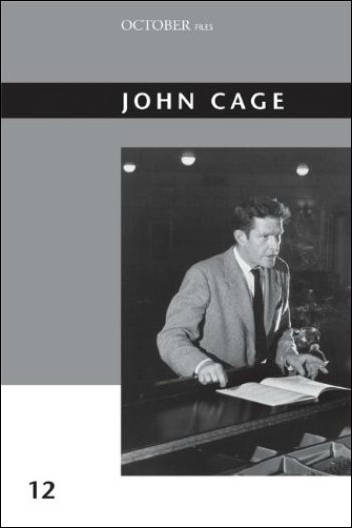
John Cage (1912–1992) defined a radical practice of composition that changed the course of modern music and shaped a new conceptual horizon for postwar art. Famous for his use of chance and “silence” in musical works, a pioneer in electronic music and the nonstandard use of instruments, Cage was one of the most influential composers of the last century. This volume traces a trajectory of writings on the artist, from the earliest critical reactions to the scholarship of today. If the first writing on Cage in the American context, often written by close associates with Cage’s involvement, seemed lacking in critical distance, younger scholars-a generation removed-have recently begun to approach the legacy from a new perspective, with more developed theoretical frameworks and greater skepticism. This book captures that evolution. The texts include discussions of Cage’s work in the context of the New Music scene in Germany in the 1950s; Yvonne Rainer’s essay looking back on Cage and New York experimentalism of the 1960s; a complex and original mapping of Cage’s place in a wider avant-garde genealogy that includes Le Corbusier and Moholy-Nagy; a musicologist’s account of Cage’s process of defining and formalizing his concept of indeterminacy; and an analysis of Cage’s project that considers his strategies of self-representation as key to his unique impact on modern and postmodern art.
Details
Joseph Branden W. (Article author), Robinson Julia E. (Article author), Boehmer Konrad (Article author), Rainer Yvonne (Article author), Patterson David W. (Article author)
Cambridge
2011
220 pages
9780262516303
Available on request
Yes
No
709.203 Cag
1
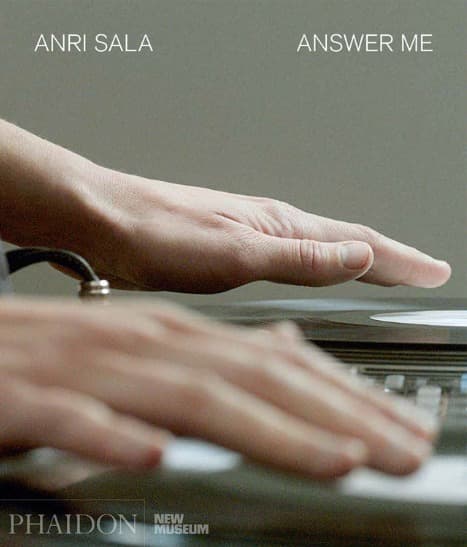
- Anri Sala: Answer Me2016
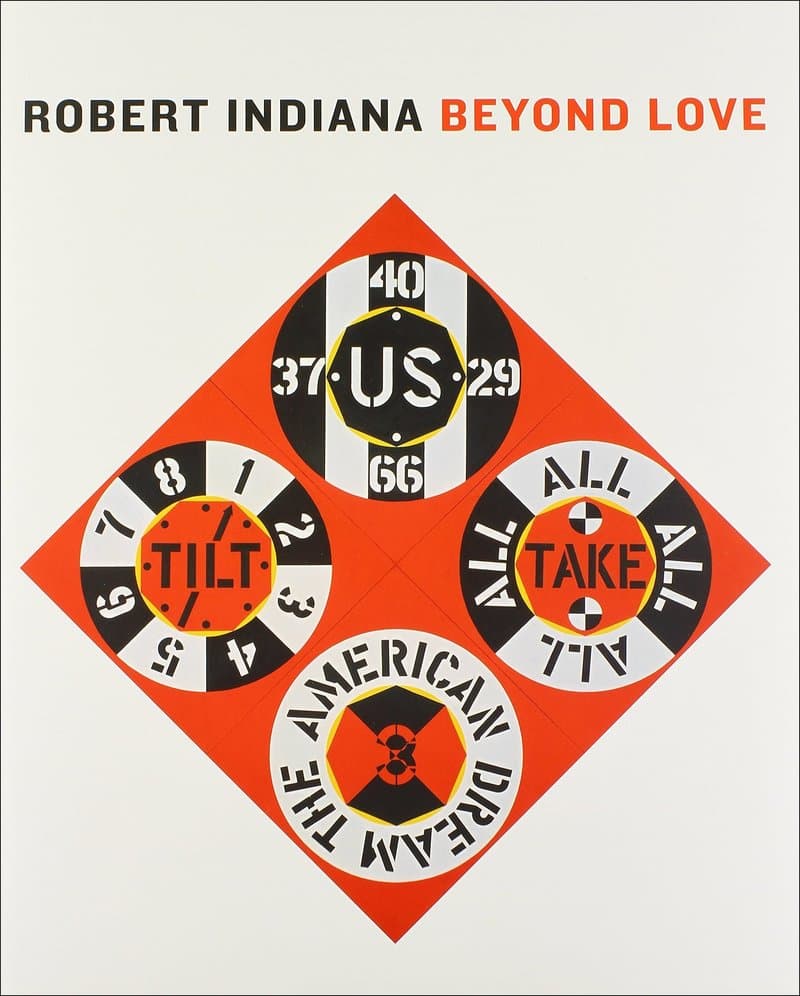
- Robert Indiana: Beyond Love2013
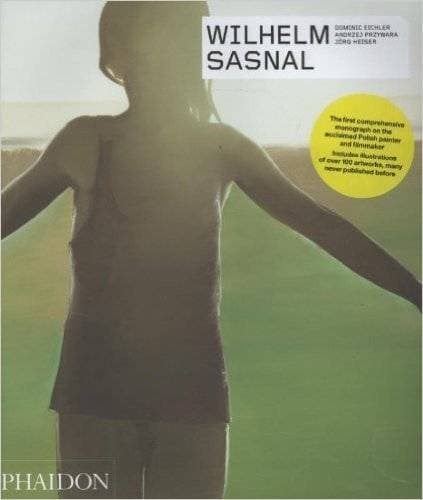
- Wilhelm Sasnal2011
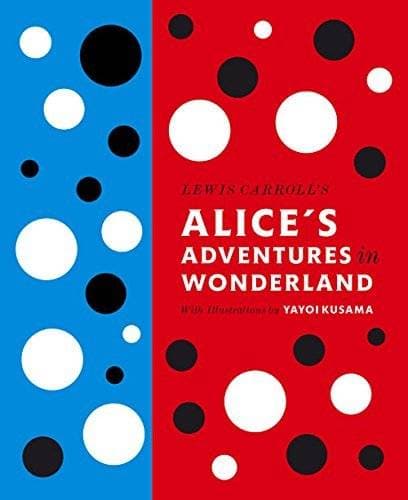
- Alice's Adventures in Wonderland: With Artwork by Yayoi Kusama2012
- All Variations Are Valid, Including This One2017
- «Путешествие по Северному морю»: искусство в эпоху постмедиальности2017
- Yayoi Kusama2012
- Anri Sala: Ravel Ravel Unrave2013
- Gia Edzgveradze. Welcome Foam — Farewell Human2009
- Gabriela Löffel2015
- Jasper Johns2014
- Francis Bacon. Catalogue raisonné. Volume III. 1958–19712016