Nina Kotel
Date
The works on paper and paintings by Nina Kotel prove that the humorous and analytical approach of contemporary art paired with a mastery of traditional art techniques can enable the artist to convey the specificity of a historical period or culture better than interdisciplinary research by professional scientists.
The series Dream grew out of a fairly common real-life situation. In December 1990, at the height of the late-Soviet shortages, when finding food was a daily challenge, Nina Kotel and her husband, artist Vladimir Salnikov, discovered that smoked sausages were available at the Armenia store in Pushkin Square. Jumping at the opportunity, they bought four sausages, creating an abundance of treats for meat lovers in their home. By the end of January 1991, all the sausages were gone. During that period, Nina Kotel documented the disappearance of the provisions as they were eaten by her husband and their guests. Coming close to a storyboard for an animation film, this graphic series tells the viewer more about the era than a documentary about the end of the Soviet empire would.
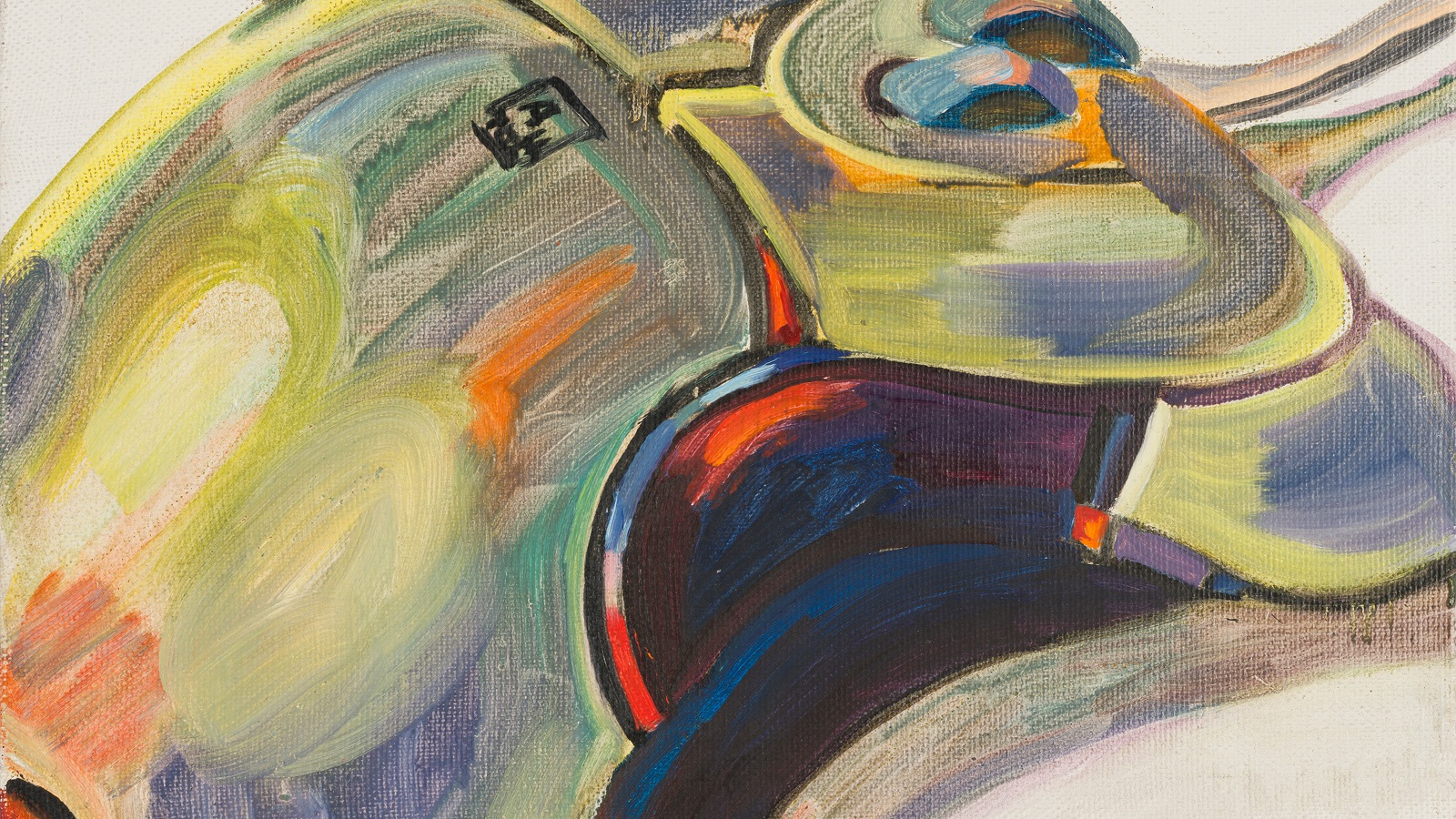
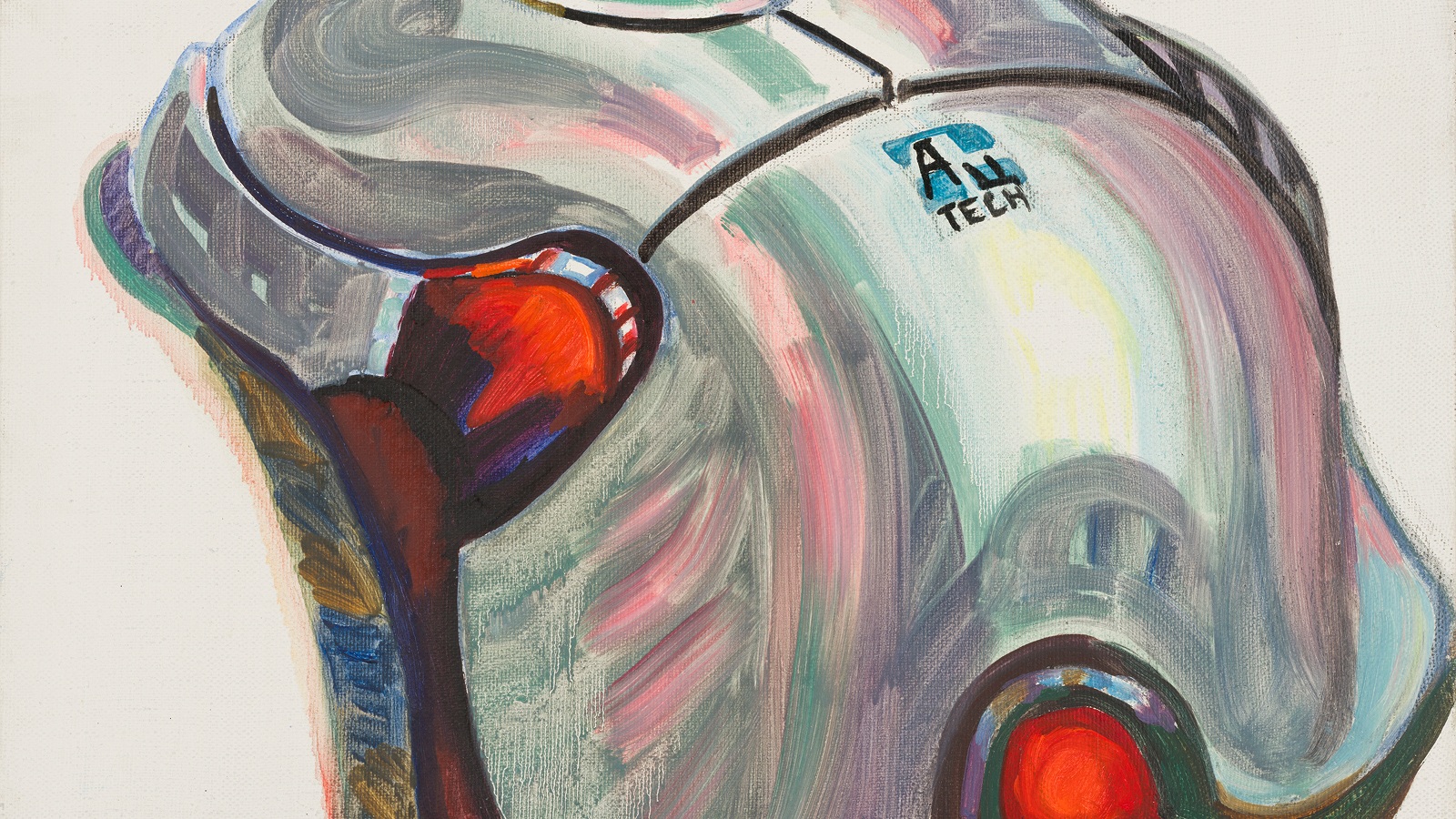
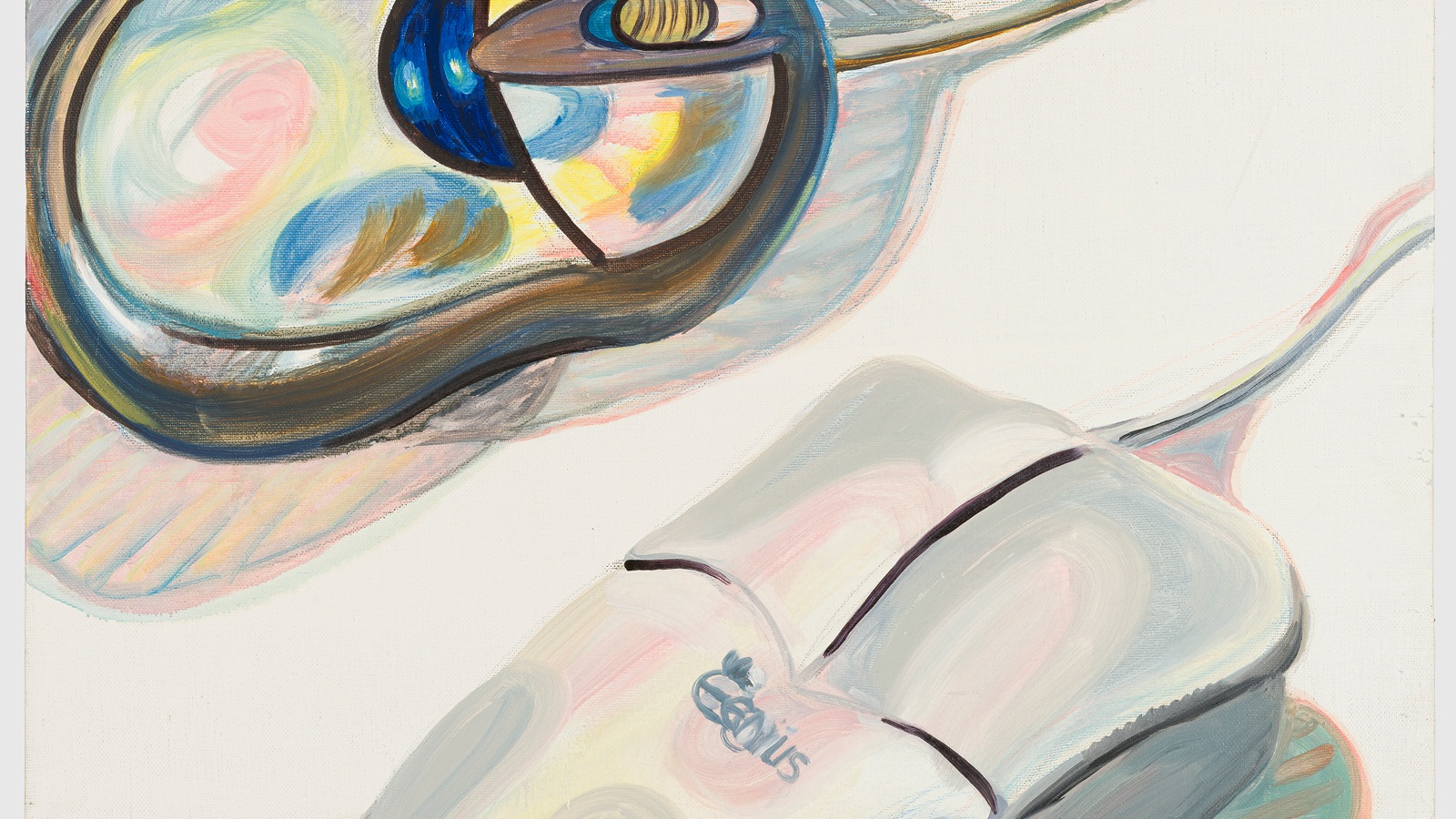
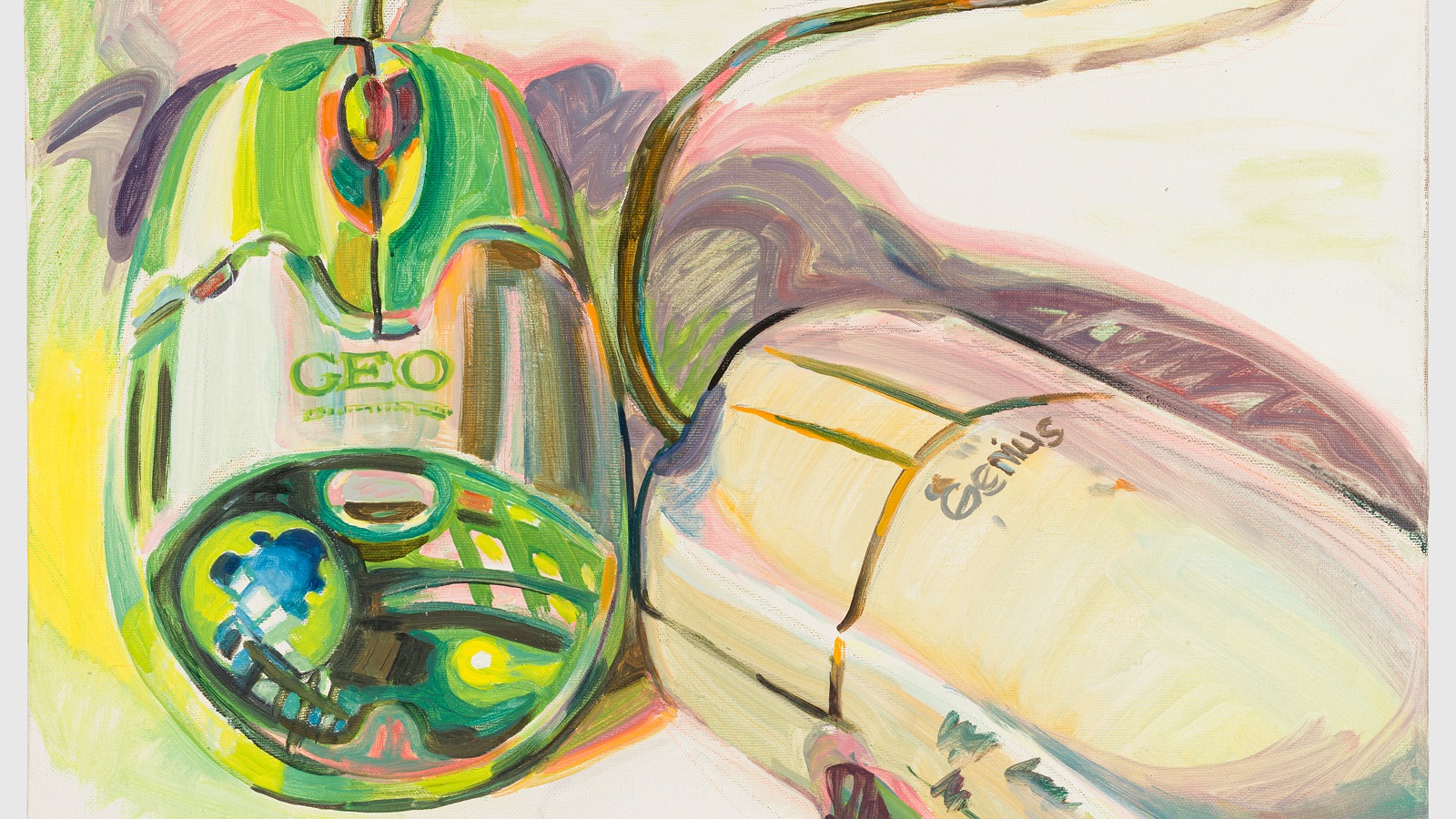
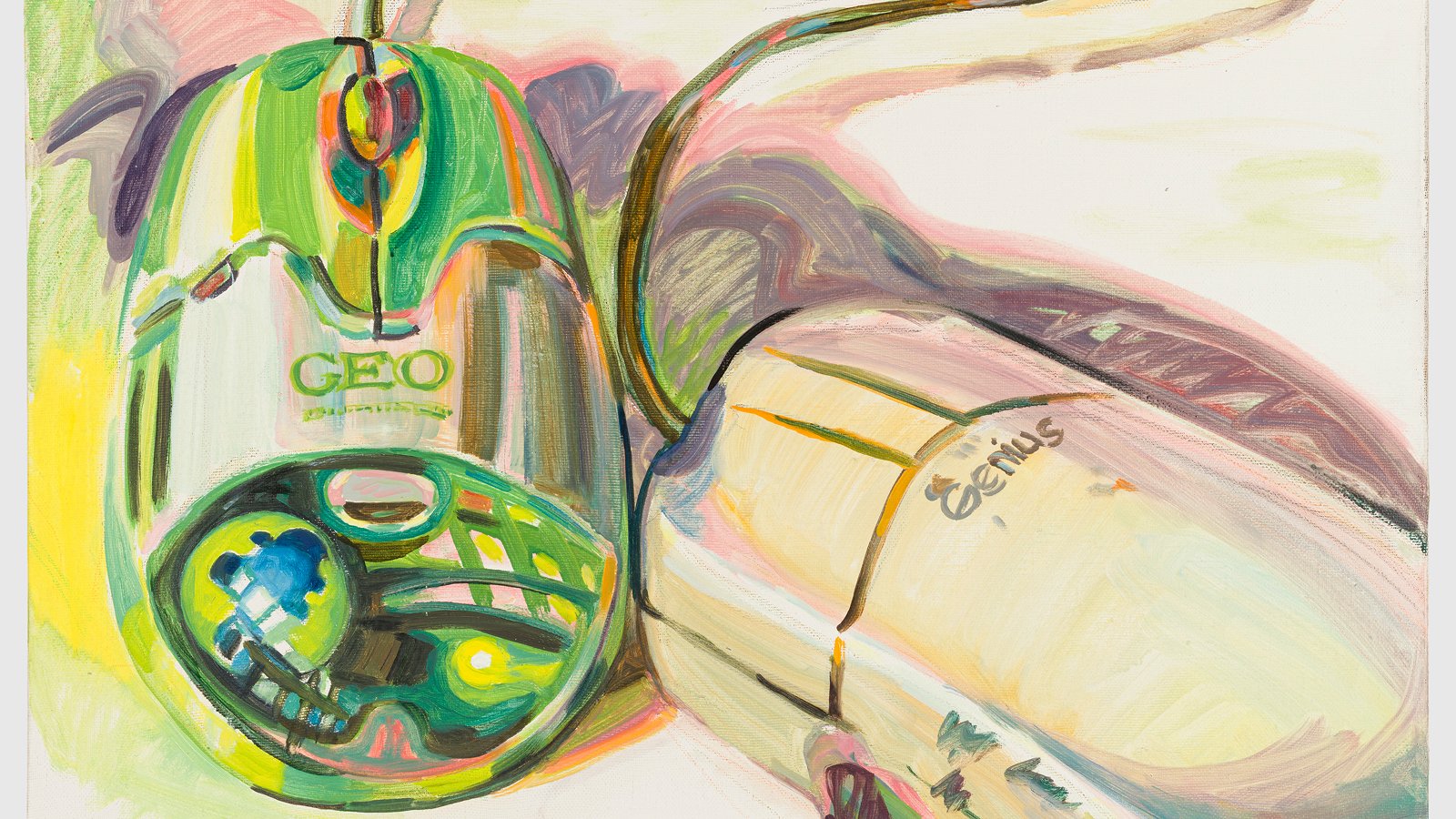
The idea for the series Mice was inspired by Nina Kotel’s observation of the fast-paced development of technology. In the early 2000s, a great variety of mobile telephones emerged: some people had pink ones with inbuilt cameras, others had ones of nondescript color in bright covers, and some people carried black flip phones. Desktop computers were giving place to laptops. Each device seemed to reflect the individuality of its owner, as people could choose the colour, shape, and functions of their electronic companions.
Nina Kotel saw computer mice as a great symbol for an era that was coming to an end. You could find colored or white ones, standard or gaming, trackball or laser. These universal working tools reflected the individuality of their owners better than a mug or a fashion accessory could. This is the source of the series of paintings focused on the cursor control devices that became extensions of our hands and of our personalities. The mice captured in the series belonged to prominent contemporary art figures and are striking and unusual, just like their owners.
Gallery