Registration
Registration

How We Look at Animals: The Paradox of the "Animal Gaze." A Lecture

Date

Schedule

17:30–19:00

Place

Garage Auditorium

description

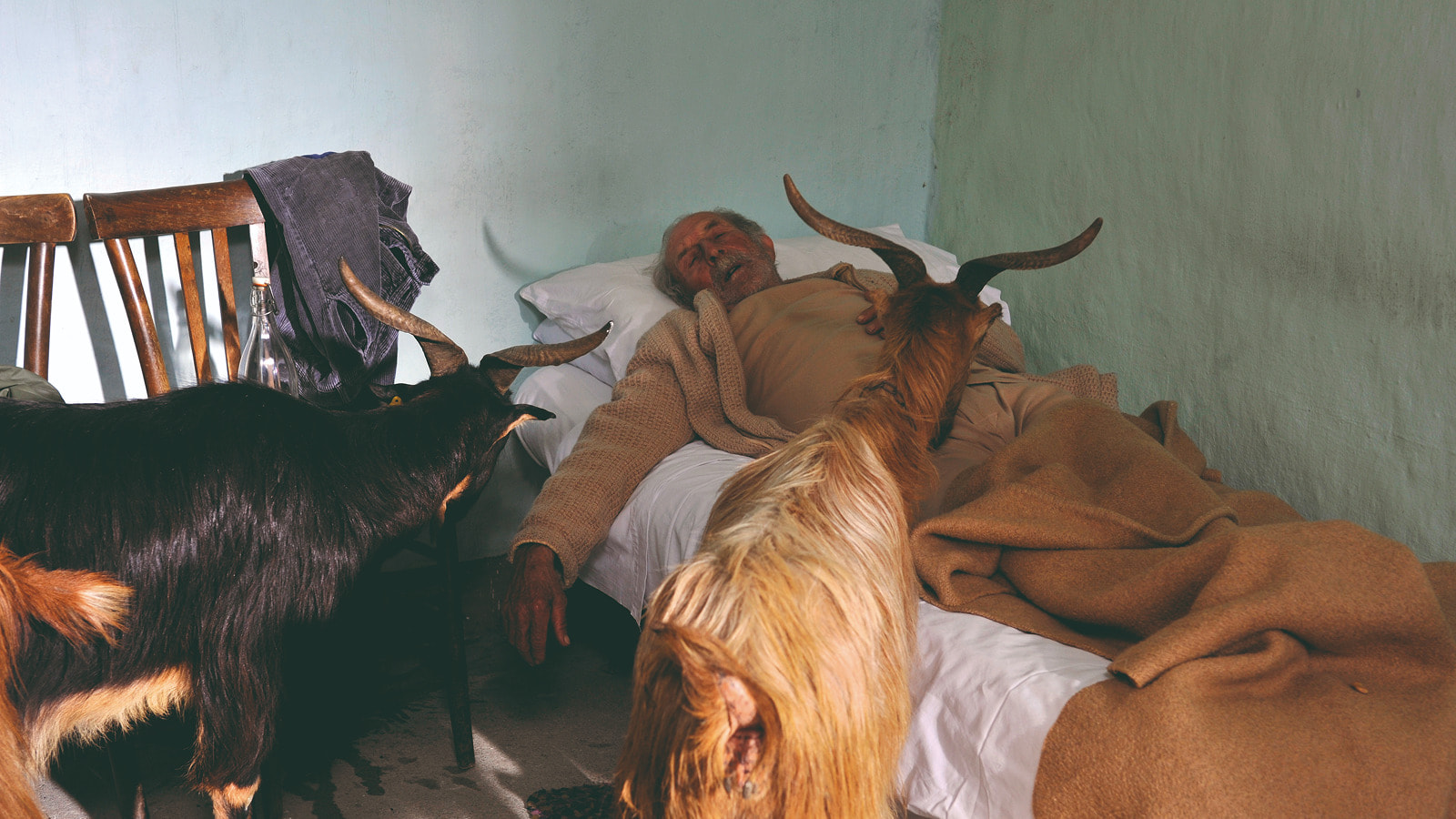
An increasing number of twenty-first-century films are devoted to non-human beings and approach their perspectives.

Jerzy Skolimowski made a road movie with a donkey for protagonist (EO, 2022), Ben Leonberg explored the fears of a guide dog (Good Boy, 2025), and György Pálfi showed the amazing adventures of a hen that has escaped from a farm (Hen, 2025). Some notable examples of animal world studies made with the use of new film technology include Winged Migration (2001) by Jacques Perrin and his collaborators, Leviathan (2012) by Lucien Castaing-Taylor and Verena Paravel of the Sensory Ethnography Lab at Harvard University, and Gunda (2020) by Viktor Kossakovsky. Critics and filmmakers often speak of an “animal gaze, ” which, similarly to the better-known, although also controversial, term “female gaze, ” refers to a way of presenting a subject from their own point of view. 

Throughout the history of film, various ways of representing animals have developed, often involving animal exploitation—physical (starting with Thomas Edison’s 1903 Electrocuting an Elephant) or symbolic. Animals have been used as a resource for the production of images and as carriers of meanings attached to them by humans. However, some contemporary films have offered alternative models of non-human representation, including through changes in rhythm, tempo, framing, work with sound, and other elements of film language. 

This is where the paradox of the “animal gaze” emerges. A rejection of the anthropocentric view and an ambition to approach animal worlds only are insufficient to present the audience with a non-human perspective. This talk will explore this theoretical paradox and the ways in which contemporary filmmakers reconsider animal representation in film, as well as the analytical tools offered by film theory for the analysis of such films. The talk will draw on films from the program No Animals Were Harmed and on other examples of contemporary filmmaking.

about the speaker

Antonina Menshikova is a film historian who studies the representation of animals in contemporary international film. She graduated from St. Petersburg State Institute of Film and Television in 2026 and wrote a thesis on the representation of non-human beings in Western twenty-first-century documentary film. She gave a talk at the conference Vektory in the section Kitties and Cows: Critical Animal Studies, and in 2025 became its co-organizer. She has written for the magazines Kinema and Logos and the platform Gorky. She has given talks on animal representation in film at Garage Museum of Contemporary Art and GES-2 House of Culture.

how to take part