Five experimental documentaries that guide us to animal worlds.
The well-known formula from film credits “No animals were harmed in the making of this film” in fact reminds us of the long history of animal exploitation in the industry: their treatment as a resource used in the production of imagery or as images for the projection of human fears, wishes, and fantasies. In this respect, cinema remains an instrument for the rendering of animals that produces their images and turns animal life itself into a resource for visual culture.
This program grew out of the reading group Non-Human Animals and Technology at Garage Museum of Contemporary Art and raises the question of how film can represent non-human beings without reducing them to symbols, metaphors or the background to human stories. The films in the program share a focus on animal agency: the ability of animals to express their own will and wishes and build relationships with the environments they inhabit and transform. Such a perspective requires revisiting both the human-animal relationship and the film industry itself, with the camera no longer aiming to subsume animals to the human gaze but to adjust to the animal’s world.
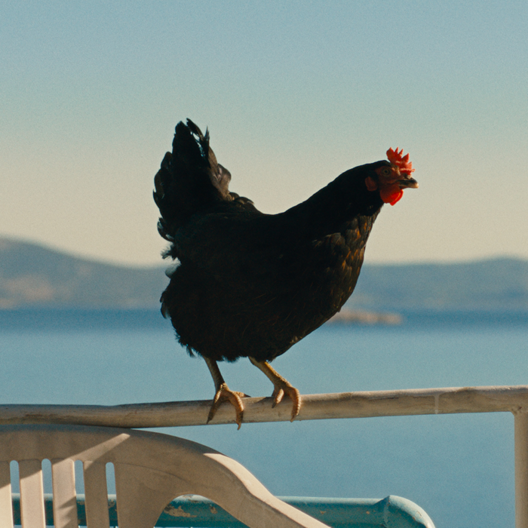
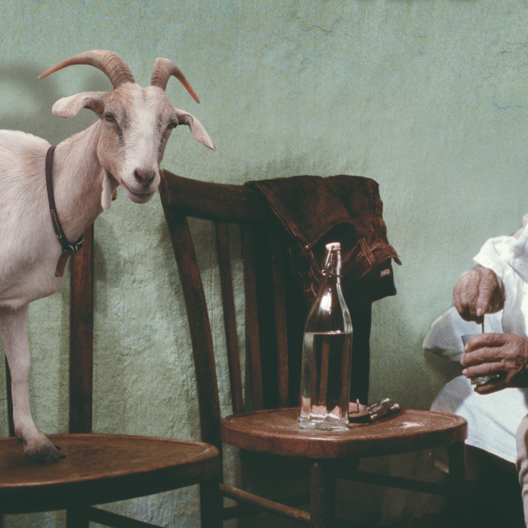
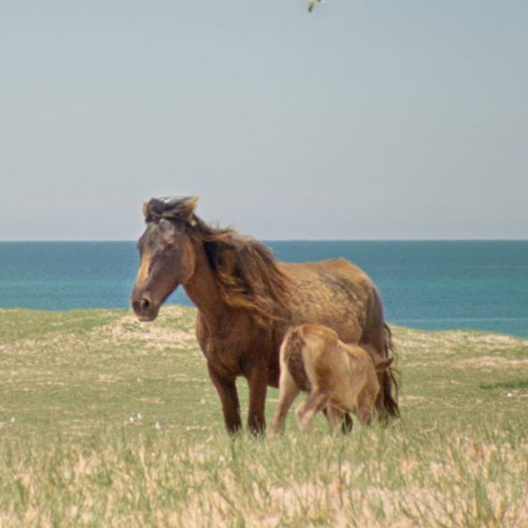
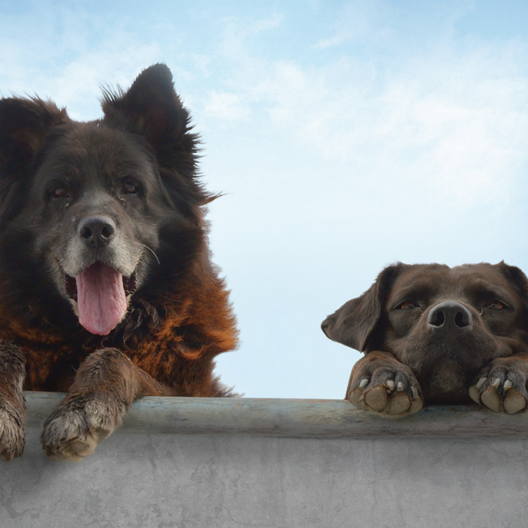
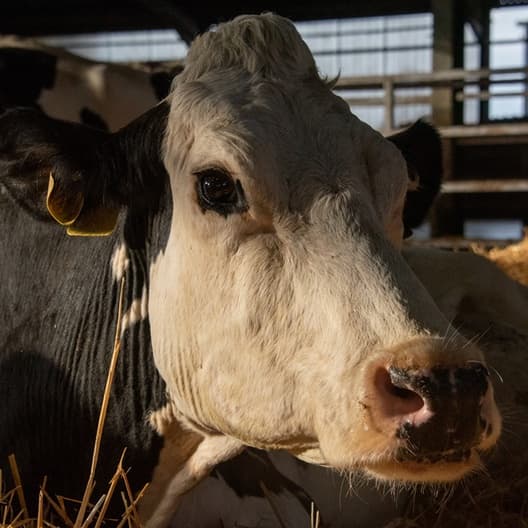
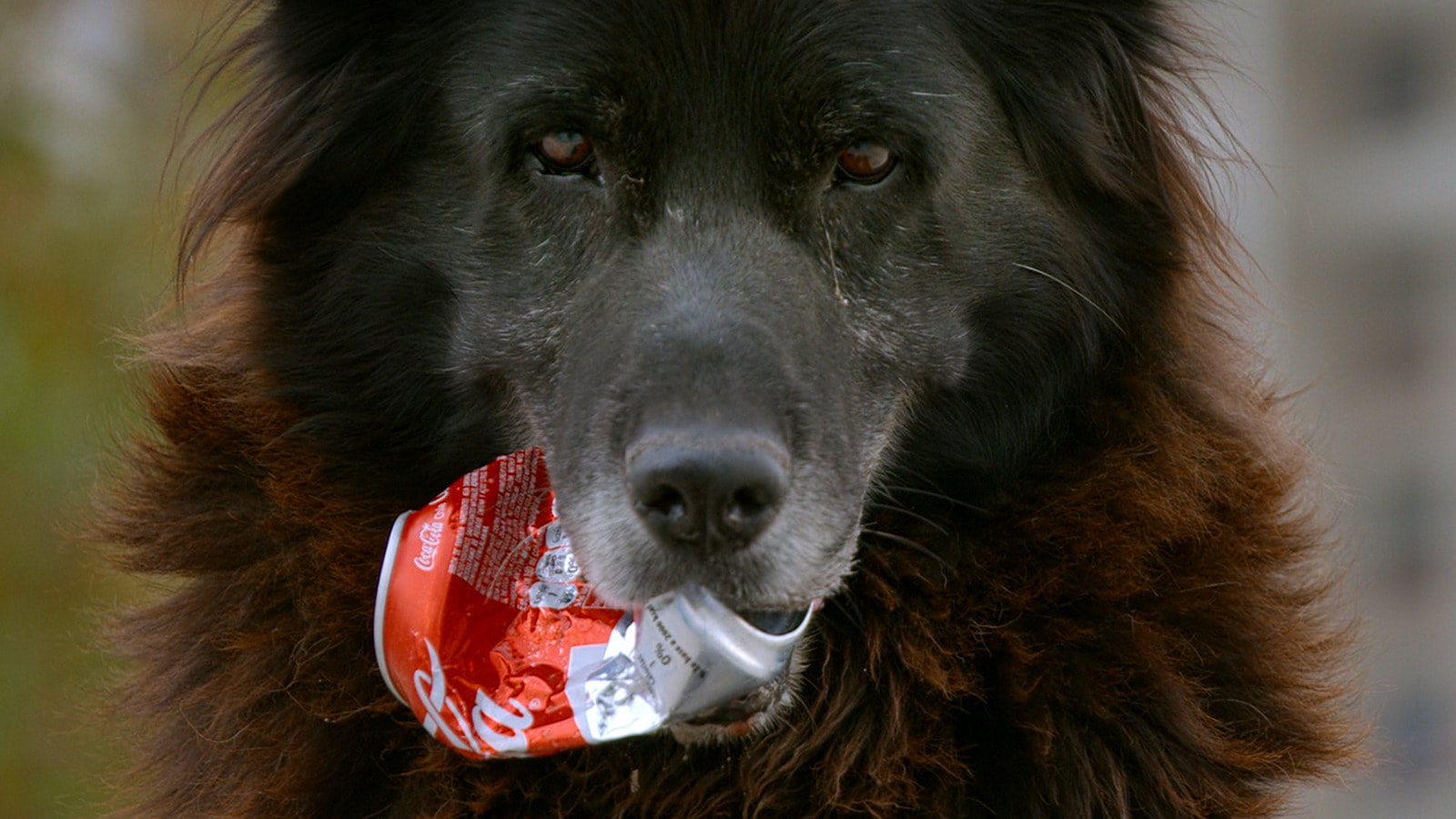
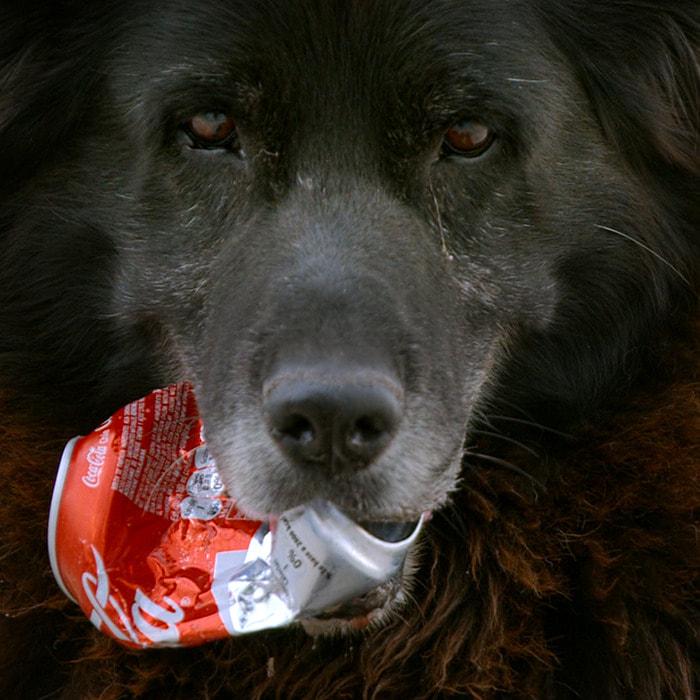
In Los Reyes, the camera follows two stray dogs, offering an alternative to the human’s habitual experience of an urban space. In Cow, close observation of an animal within the system of industrial agriculture becomes a gesture of attention and empathy. Geographies of Solitude treats animals and other participants of an island ecosystem as cocreators in the making of its sounds and imagery instead of objects of observation. The Four Times presents a human, an animal, a plant, and inanimate matter as parts of the same cycle of transformation, while Hen balances between observing animal life and turning it into a cinematic spectacle.
Along with animal agency, the films in the program share an interest in mortality. Here death, usually removed from the screen and hidden in the production process, is deliberately made visible. In Cow it is a condition of the dairy industry; in Los Reyes it shows through the ageing and fragility of animal bodies; in The Four Times it is part of the never-ending cycle of matter; in Geographies of Solitude it manifests in traces and remnants of life, and in Hen it is part of the filmmaking apparatus.
Together, these films invite us to revisit the formula borrowed for the title of the program and wonder what forms of violence, vulnerability, and loss can remain invisible when films claim that “no animals were harmed” in their making?