Koryo-Saram Research Laboratory
About the participants
Curator
Ekaterina Savchenko (b. 1989, Moscow) is a representative of koryo-saram and holds an MA from Goldsmiths, University of London (2014). From 2016 she worked as an exhibitions manager and from 2020 to 2022 as a curator at Garage Museum of Contemporary Art. Since 2022, she has been an independent curator collaborating with galleries such as Osnova (Valencia) and Aea Space (Lisbon). She is the author of courses and a teacher at Garage Academy and the online laboratory Bolshe Chem Proekt (More Than a Project). She has written for online platforms such as Ob’edinenie and Umbigo.Space.
Researcher:
Alisa Savina (b. 1999, Lysva, Perm Krai) is an art historian. She holds a Master’s degree in Art Theory and History from Moscow State University. Her academic interests include Soviet nonconformist art, contemporary art (including post-Soviet and Korean), and theoretical approaches to the study of art, including questions of memory and identity.
Research group:
Oxana Polyakova, Ksenia Zhukova, Viktoria Titova.
The history, culture, and lived experiences of ethnic Koreans in the post-Soviet countries.
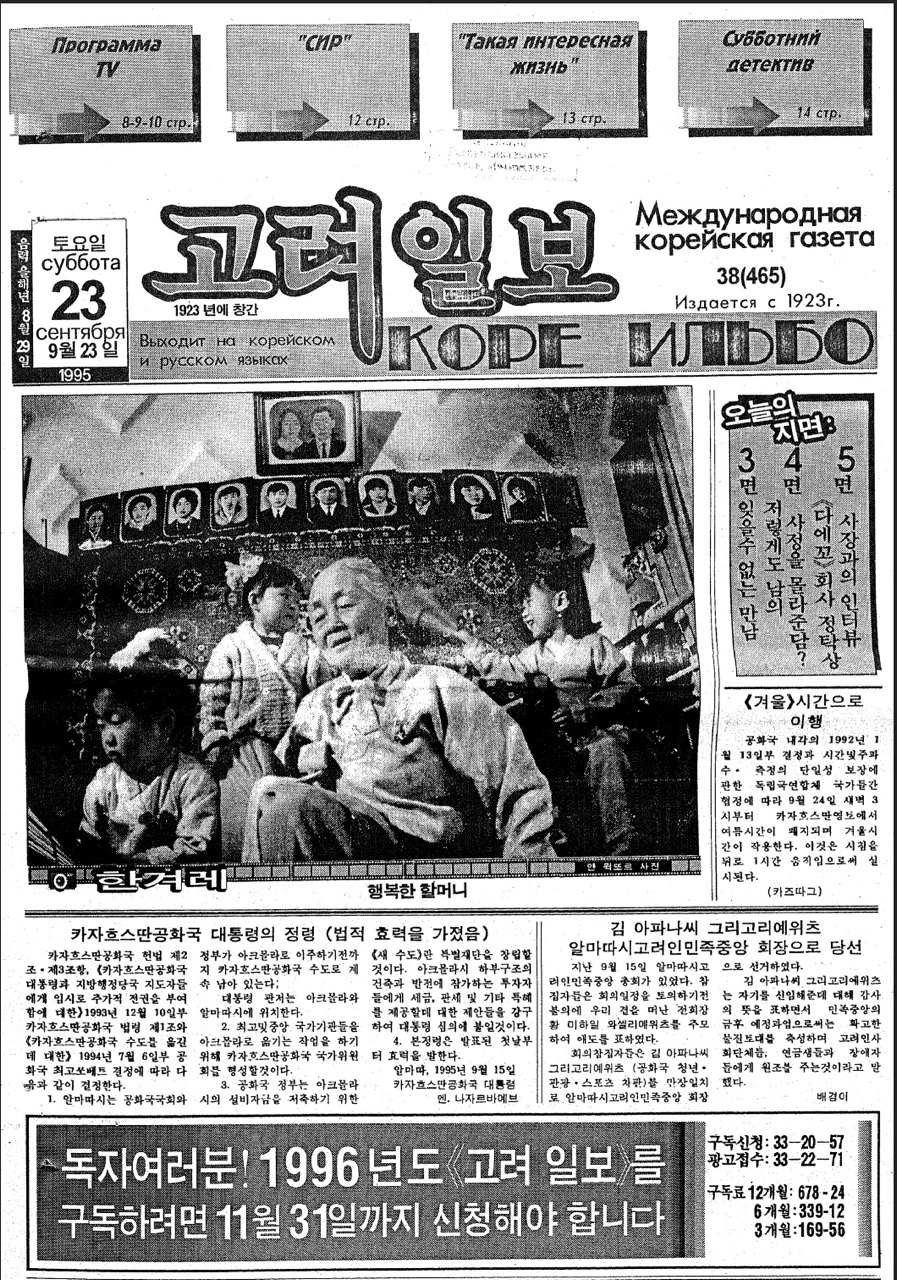
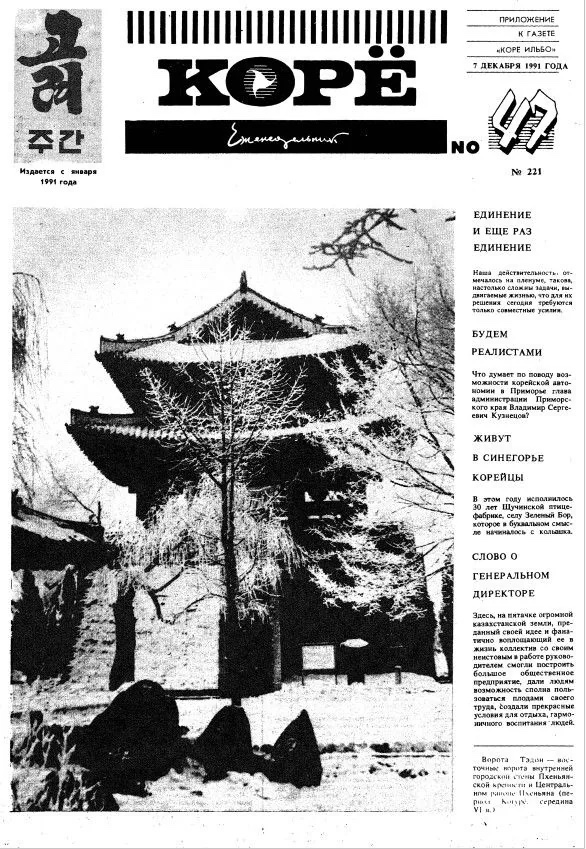
Koryo-saram («Korean people» in Korean) is the self-designation of ethnic Koreans descending from Korean settlers who moved to the Russian Far East under the Russian Empire in the late nineteenth century. In the USSR, they were also known as Soviet Koreans: after deportation in 1937, they mostly lived in the Uzbek and Kazakh Soviet Socialist Republics.
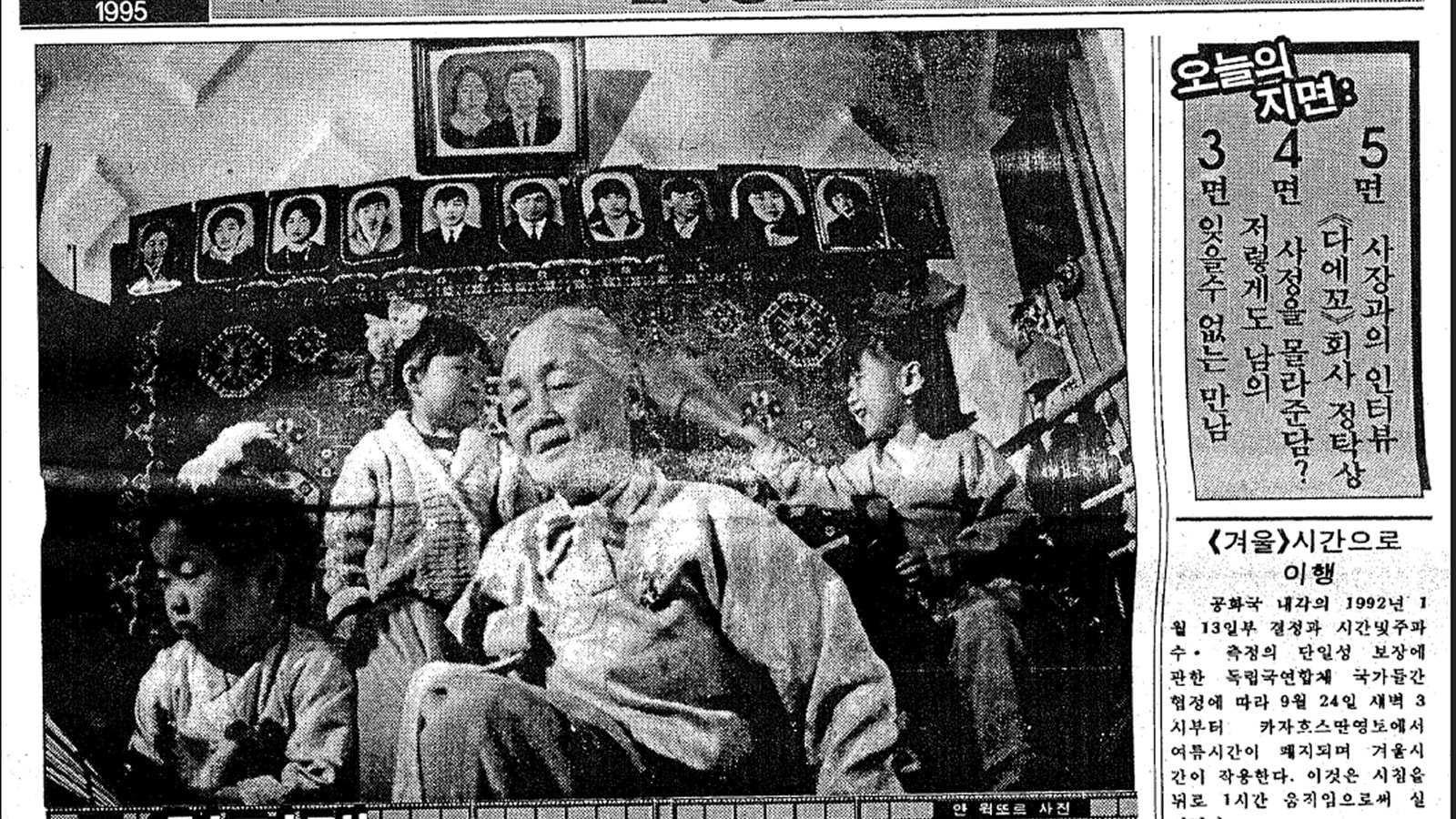
After the USSR fell apart, the community of the diaspora transformed, and today koryo-saram are a transnational group whose identity is formed at the intersection of memories of the Soviet past, of repressions, and of the forced displacement of histories, people, and families, as well as of cultural practices that those families preserved. The laboratory draws our attention to the multiplicity and heterogeneity of views and standpoints within koryo-saram and looks at how collective memory of a community is formed, preserved, and reconsidered in a situation of historical fragmentation and transnationality.
The laboratory focuses on the study of various approaches to the representation and interpretation of cultural and collective memories of koryo-saram, drawing particularly on works by contemporary artists. Its key tasks include mapping such practices and reviewing them as a means of study and interpretation of memory that are alternative to academic research and at the same time complement it.
The laboratory draws on the international approach to such studies and qualitative research: interviews with representatives of koryo-saram, including artists and curators, archivists, researchers, and sociocultural workers; field research in Russia, Kazakhstan, Uzbekistan, and Korea; visual and critical analysis of koryo-saram artists’ practices. Research methods also include analysis of archival materials and studies on the history and culture of koryo-saram, as well as engagement with diaspora studies from a decolonial perspective. This point of view informs a research approach that sees all participants of the project as co-creators of knowledge.