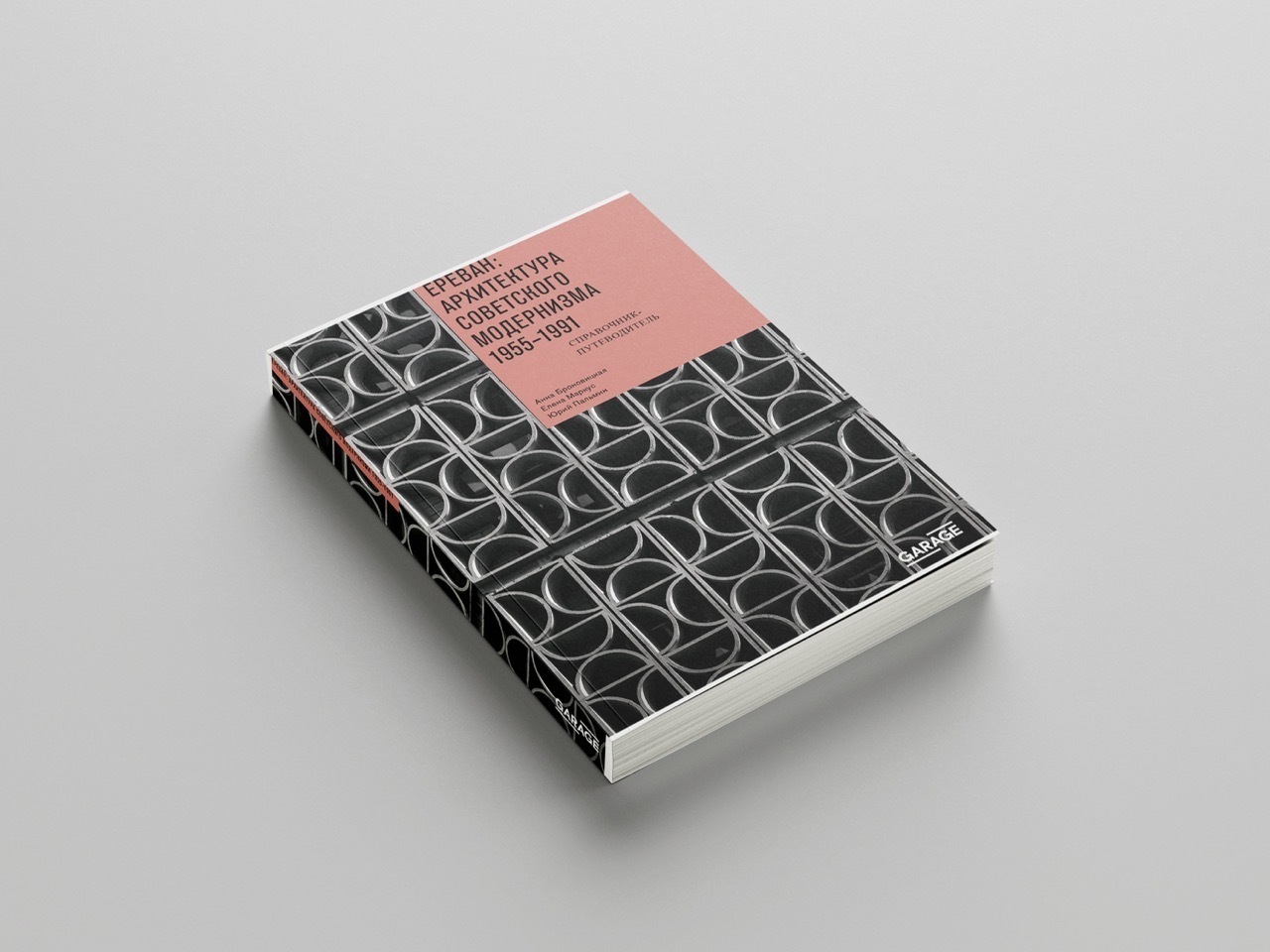
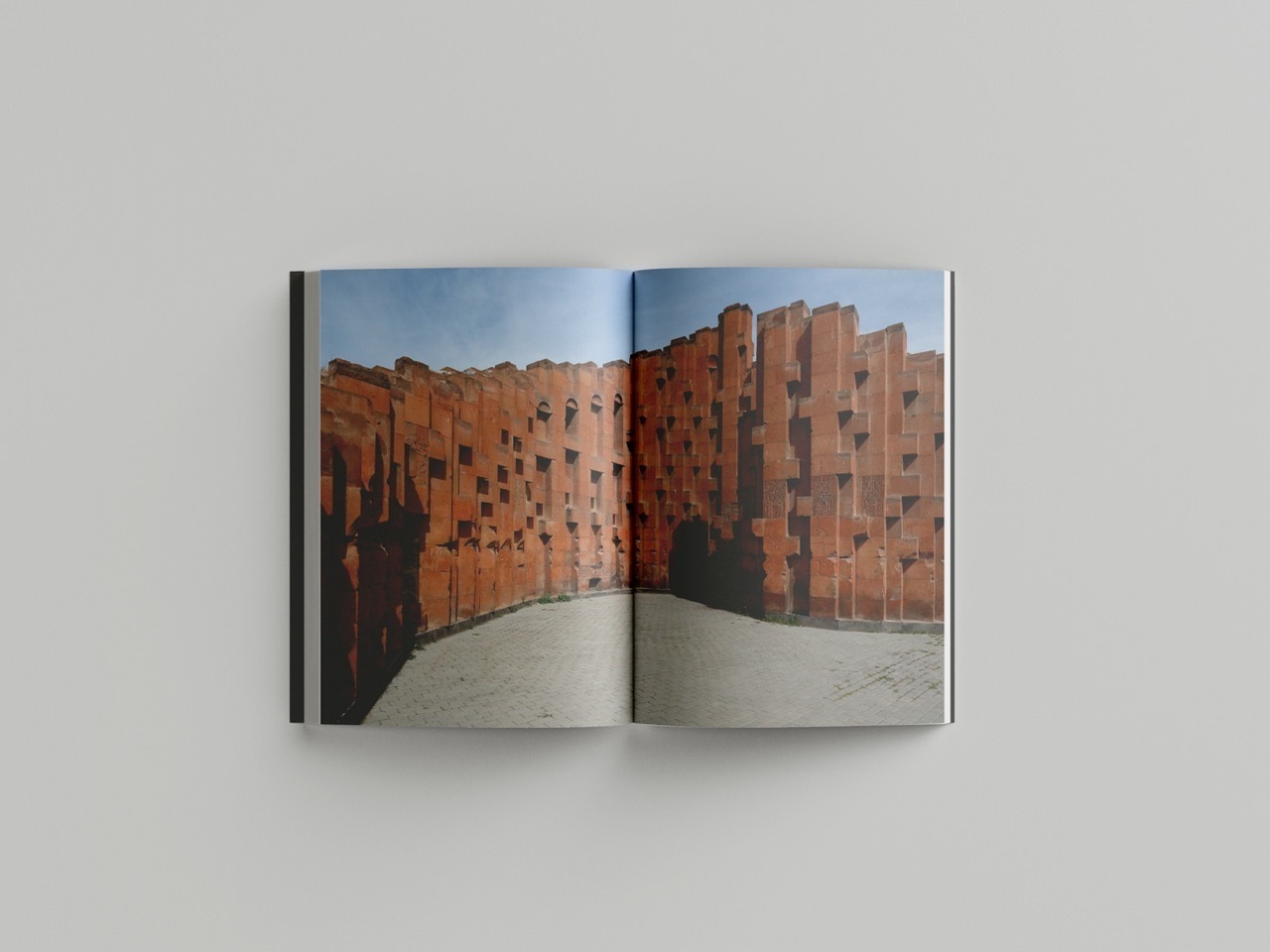
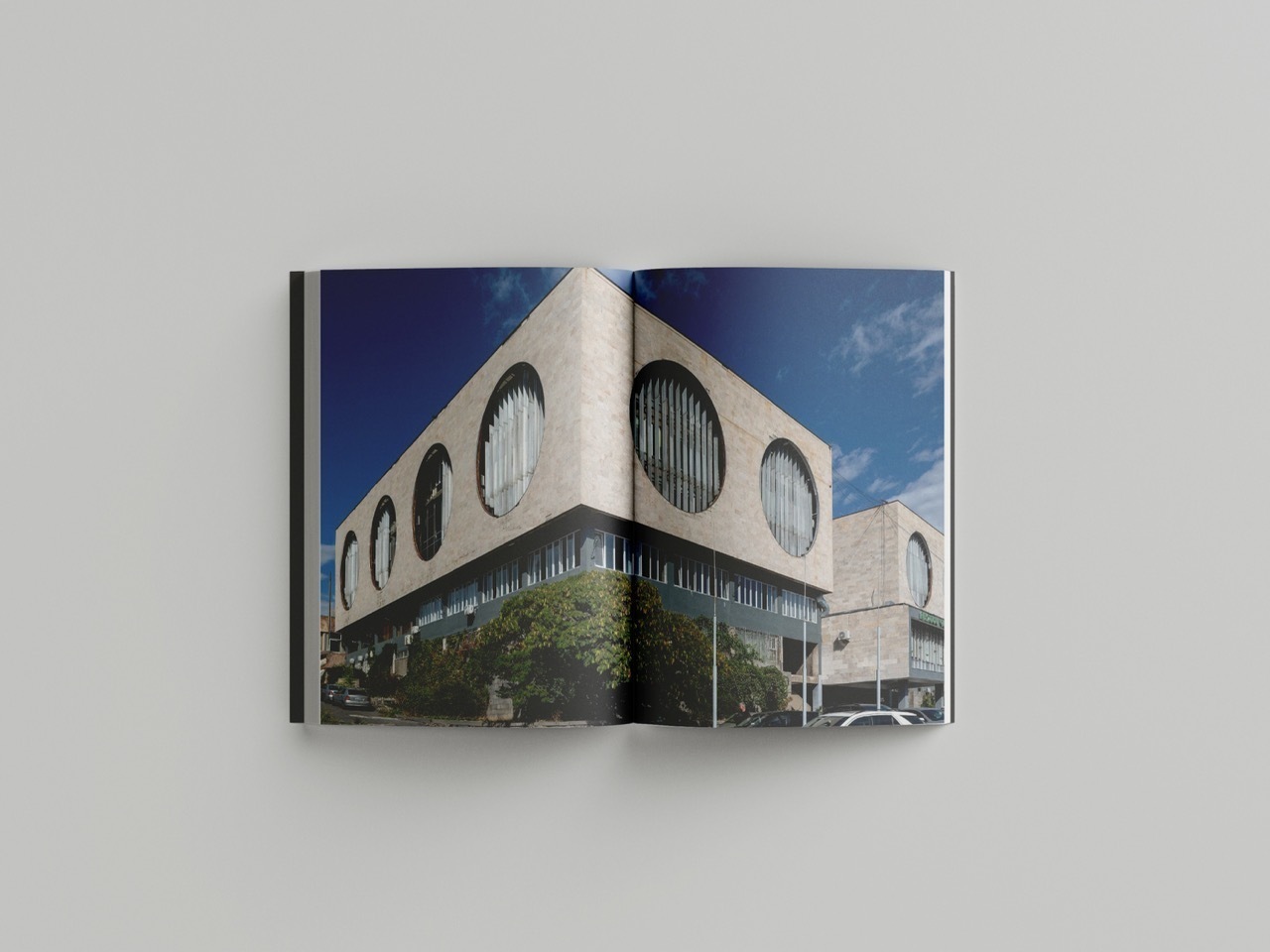
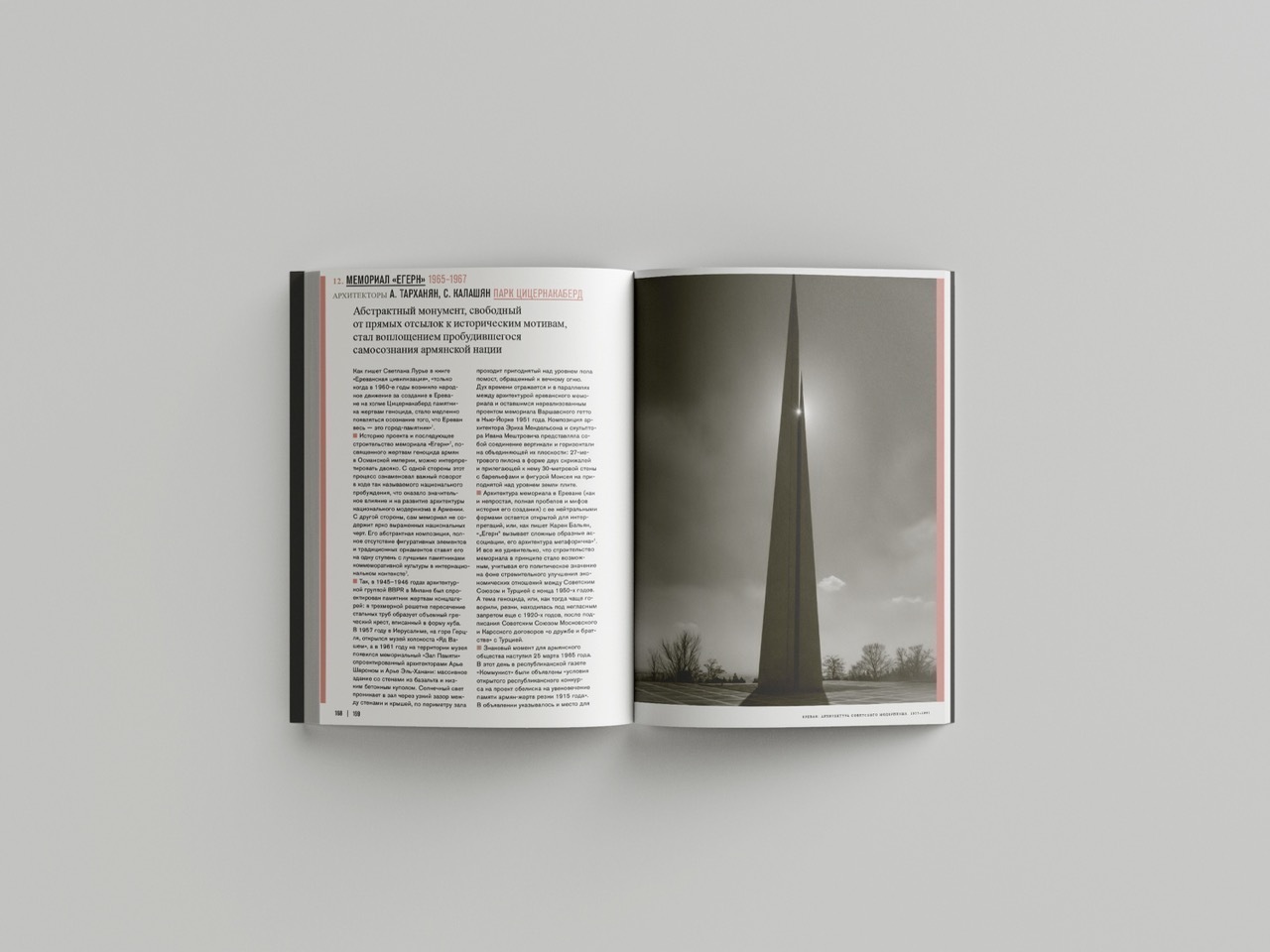
The architects who worked in Yerevan from the 1960s through the 1980s had various views on the goals of design, but most of their buildings have a very strong national character. In the twentieth century, the city was rebuilt to become the capital not only of Armenia but also of all Armenians across the world. The influence on the diaspora abroad was of political importance to the USSR, so its smallest republic was to a certain extent allowed to cultivate its national character, including in architecture.
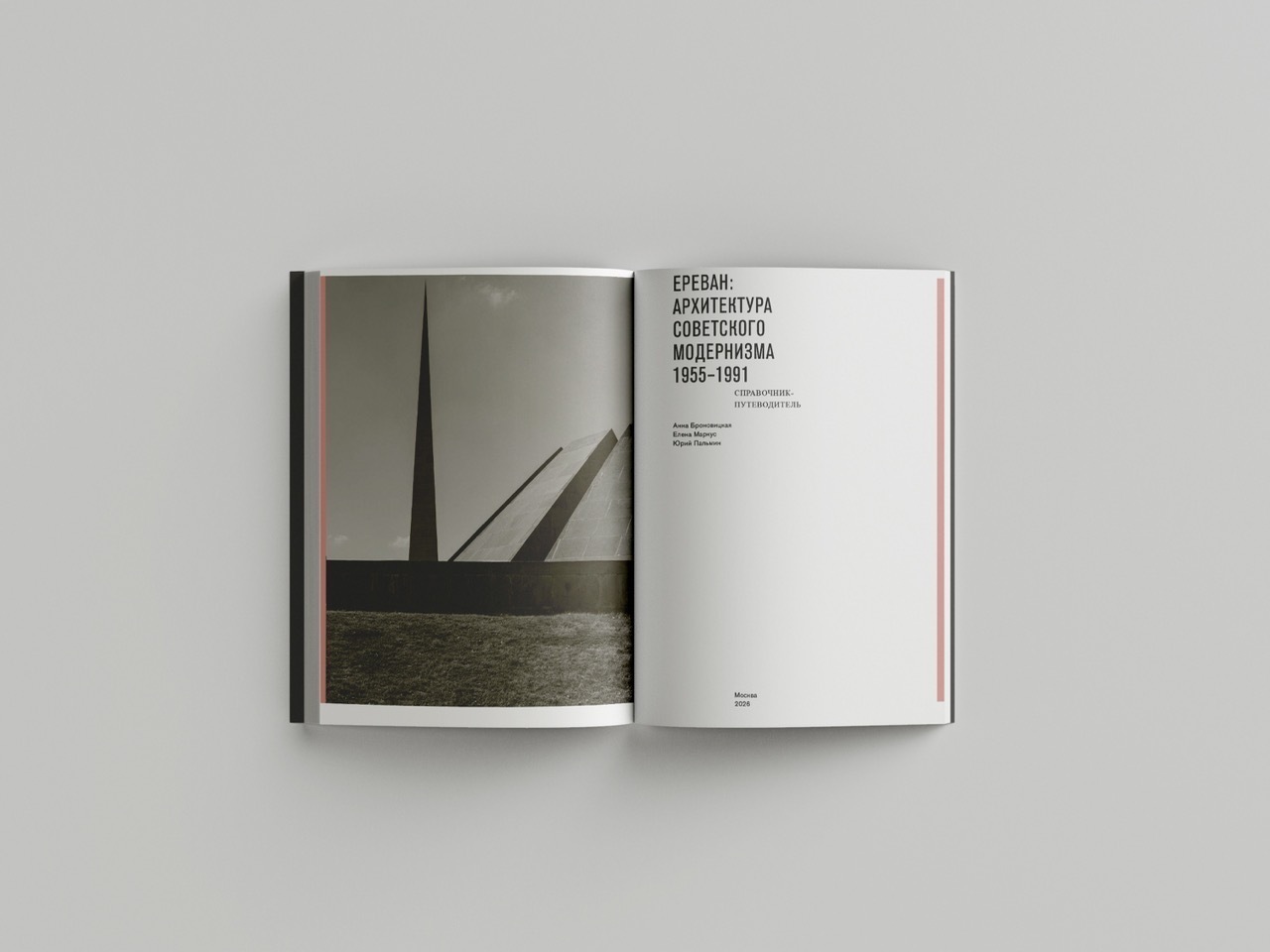
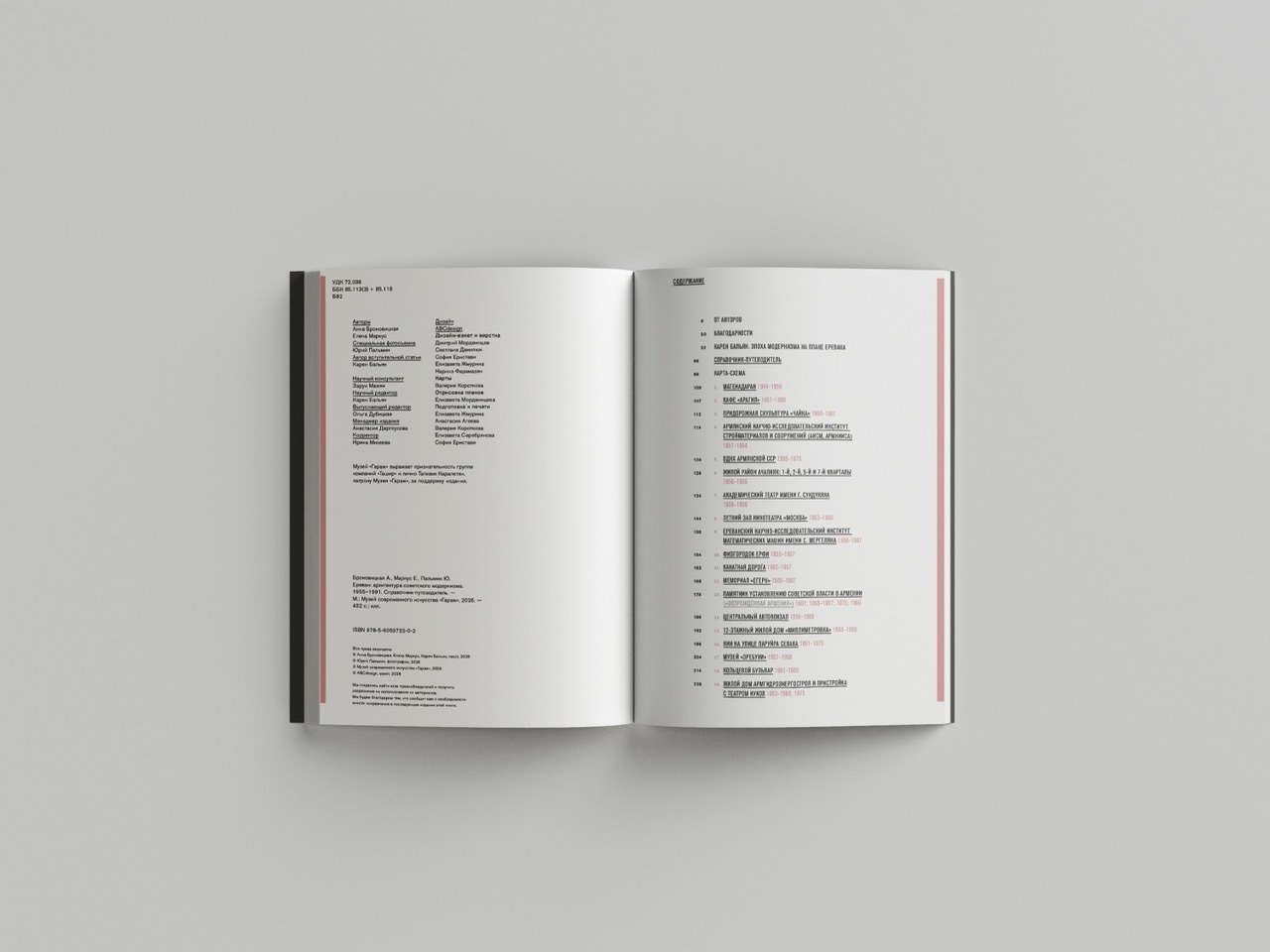
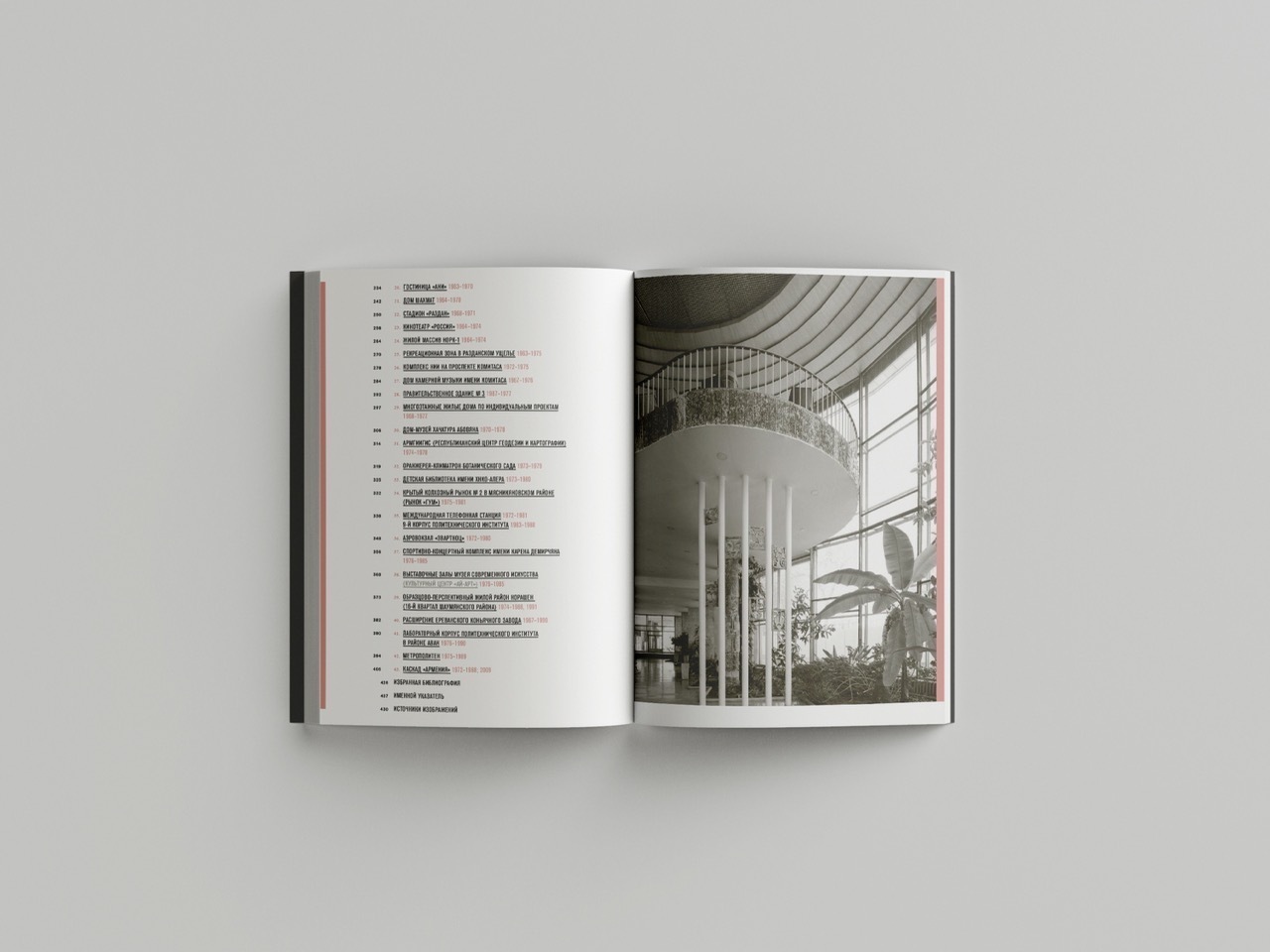
The book covers buildings of various purpose and scale, from the minimalist house and museum of Khachatur Abovian, to the colossal Karen Demirchyan Sports and Concerts Complex. Some of the projects described in the book (Gabriel Sundukyan State Academic Theater, the Summer Hall of the Moscow Cinema, and Zvartnots Airport) were famous across the Soviet Union; others are barely remembered even in Yerevan. Some still function, others are under threat of demolition, but together they form an important layer in Armenia’s heritage—as striking and significant as its ancient architecture.
Following books on Moscow, Almaty, Leningrad, and Tashkent, this is the fifth guide on the architecture of Soviet Modernism in the series.
Garage is grateful to Tashir group of companies and personally to Tatevik Karapetyan, Garage Patron, for their support of this publication.