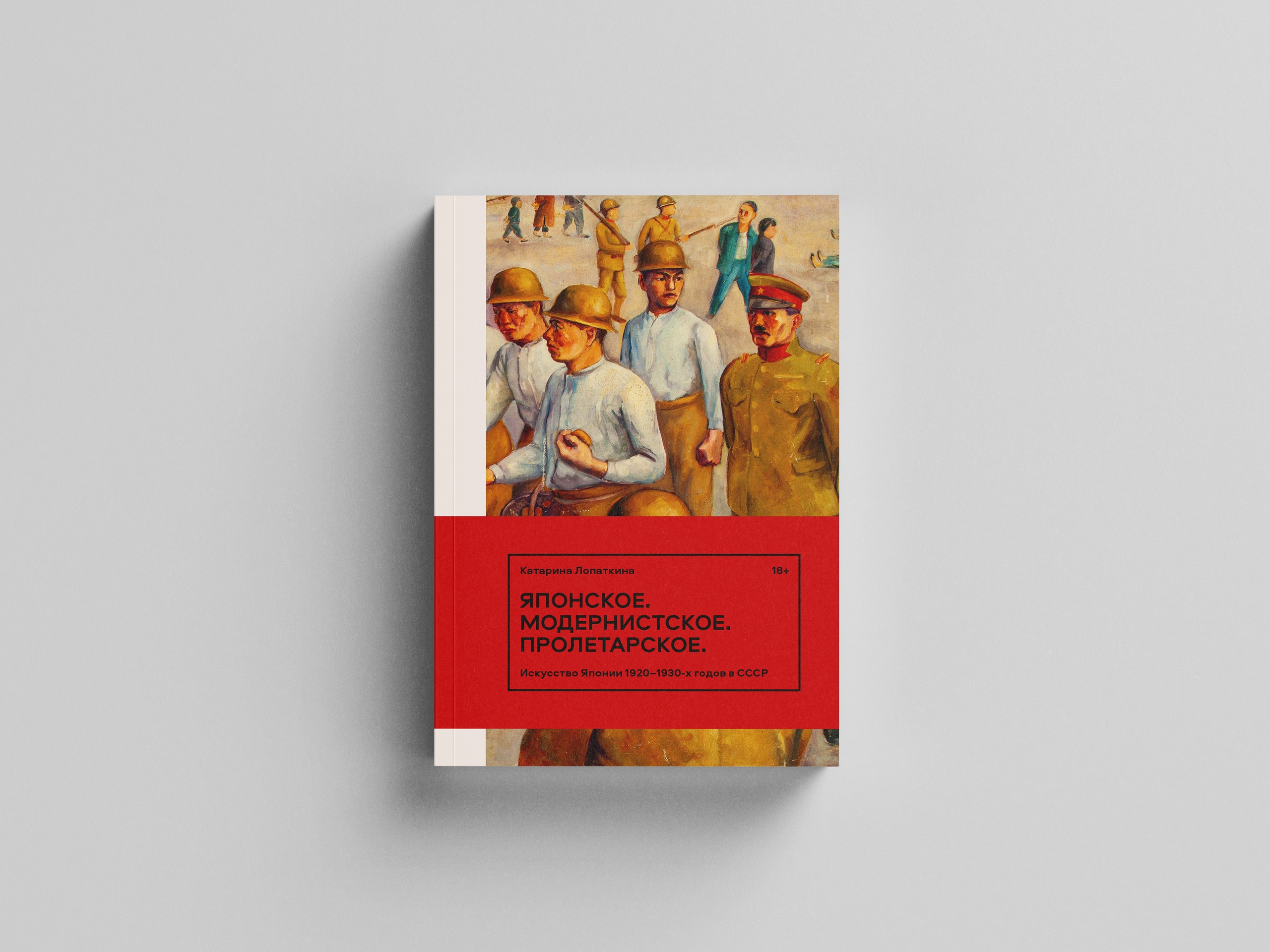
Japanese. Modernist. Proletarian explores an artistic movement that has been lost in the histories of Japanese, Soviet, and global art.
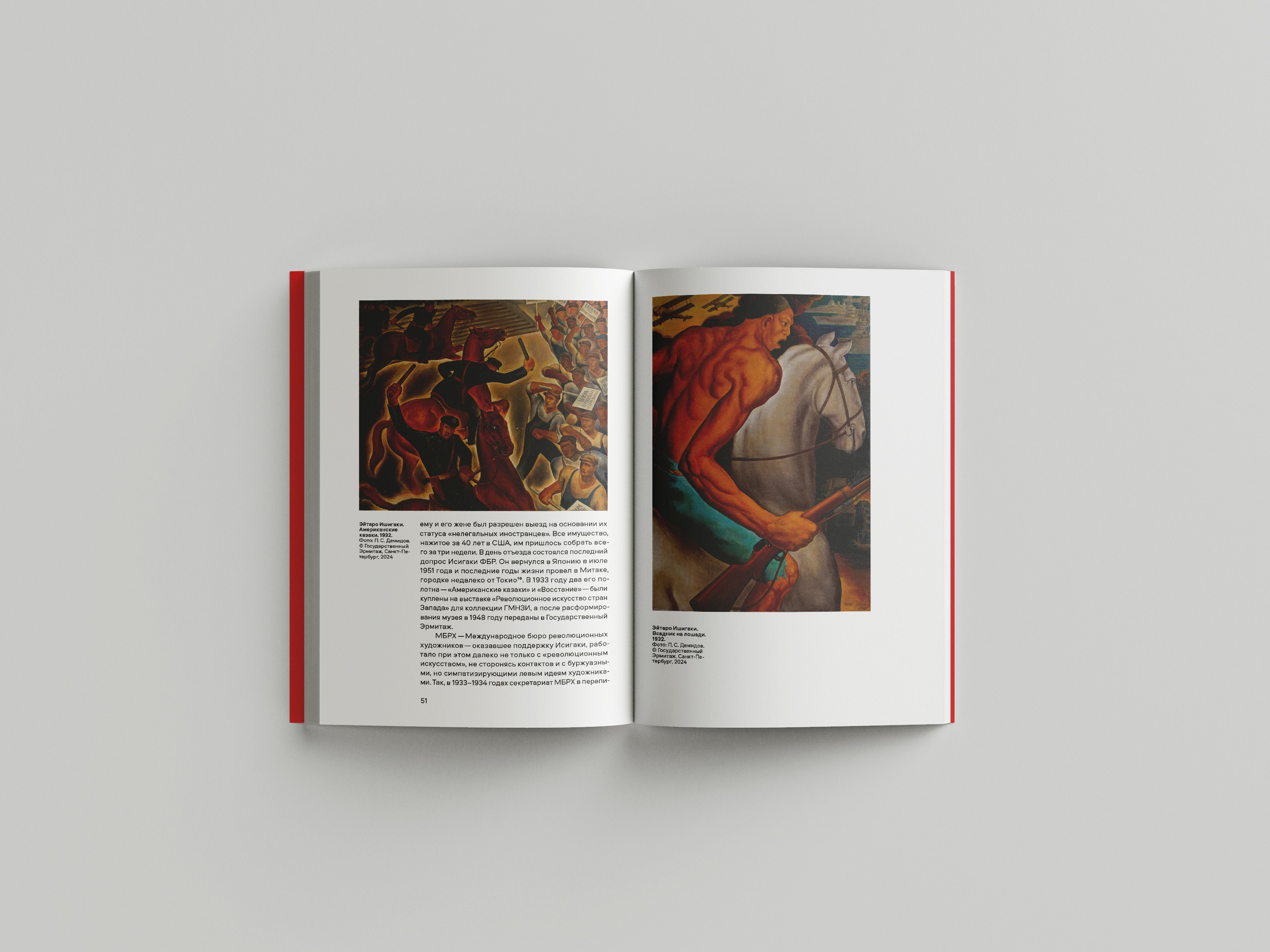
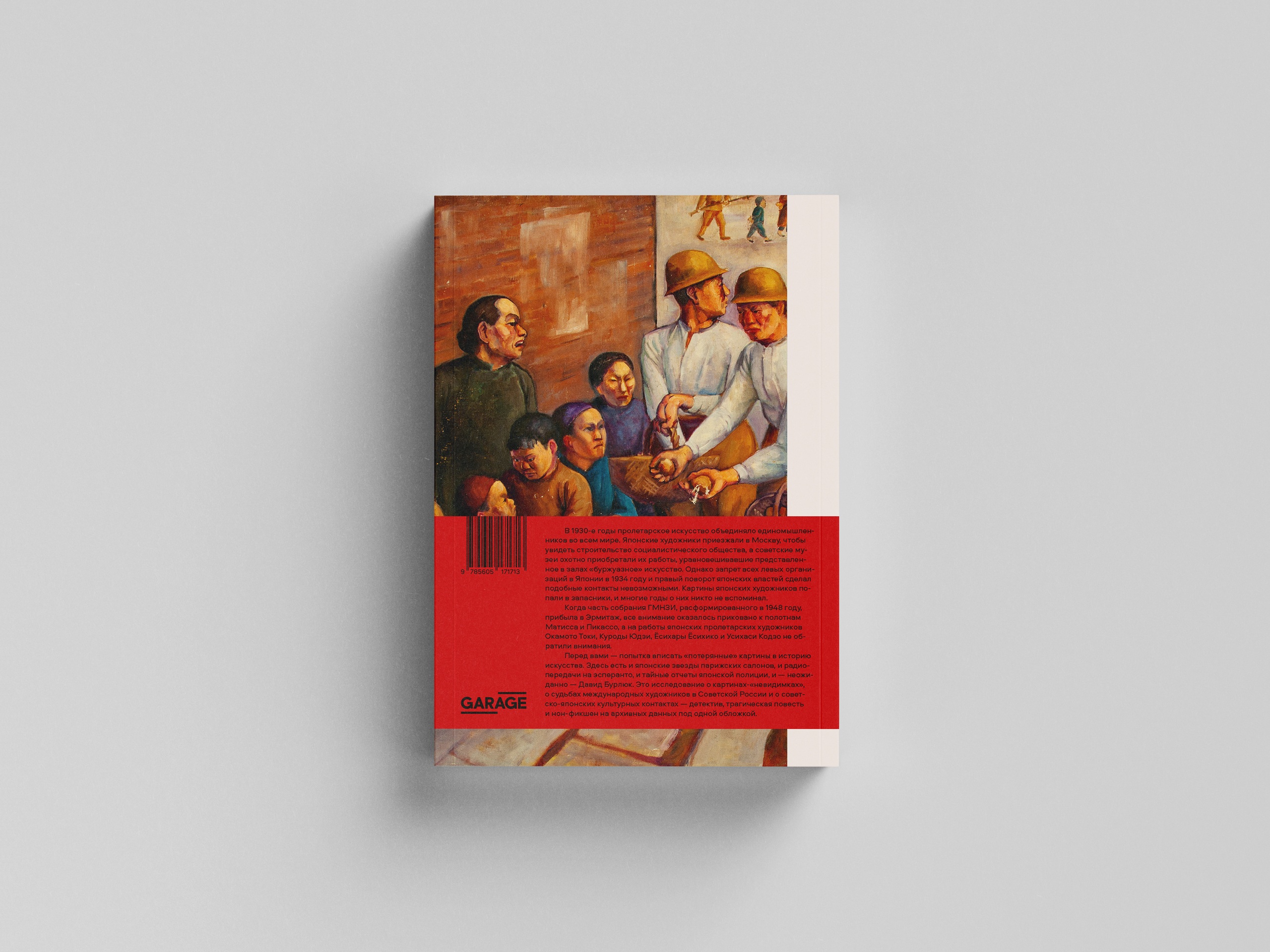
In 1948, when the collection of Moscow’s Museum of Modern Western Art was dispersed, part of it was transferred to the Hermitage in Leningrad. Curators focused their attention on the striking—and of course ideologically dangerous—paintings by Matisse and Picasso, while the works of Japanese proletarian artists Okamoto Toki, Kuroda Yuji, Yoshihara Yoshihiko, and Ushihashi Kozo received almost no attention.
In the 1930s, proletarian art brought together like-minded artists across the globe, including in the USSR and Japan. Japanese artists happily traveled to Moscow to witness the building of a new socialist society, and their works in Soviet museums served as a counterbalance to the bourgeois art on display. However, in 1934 Japan banned communist parties and other left-wing organizations, making it impossible to maintain such connections. The Japanese works were relegated to storage, and for many years no one recalled their existence.
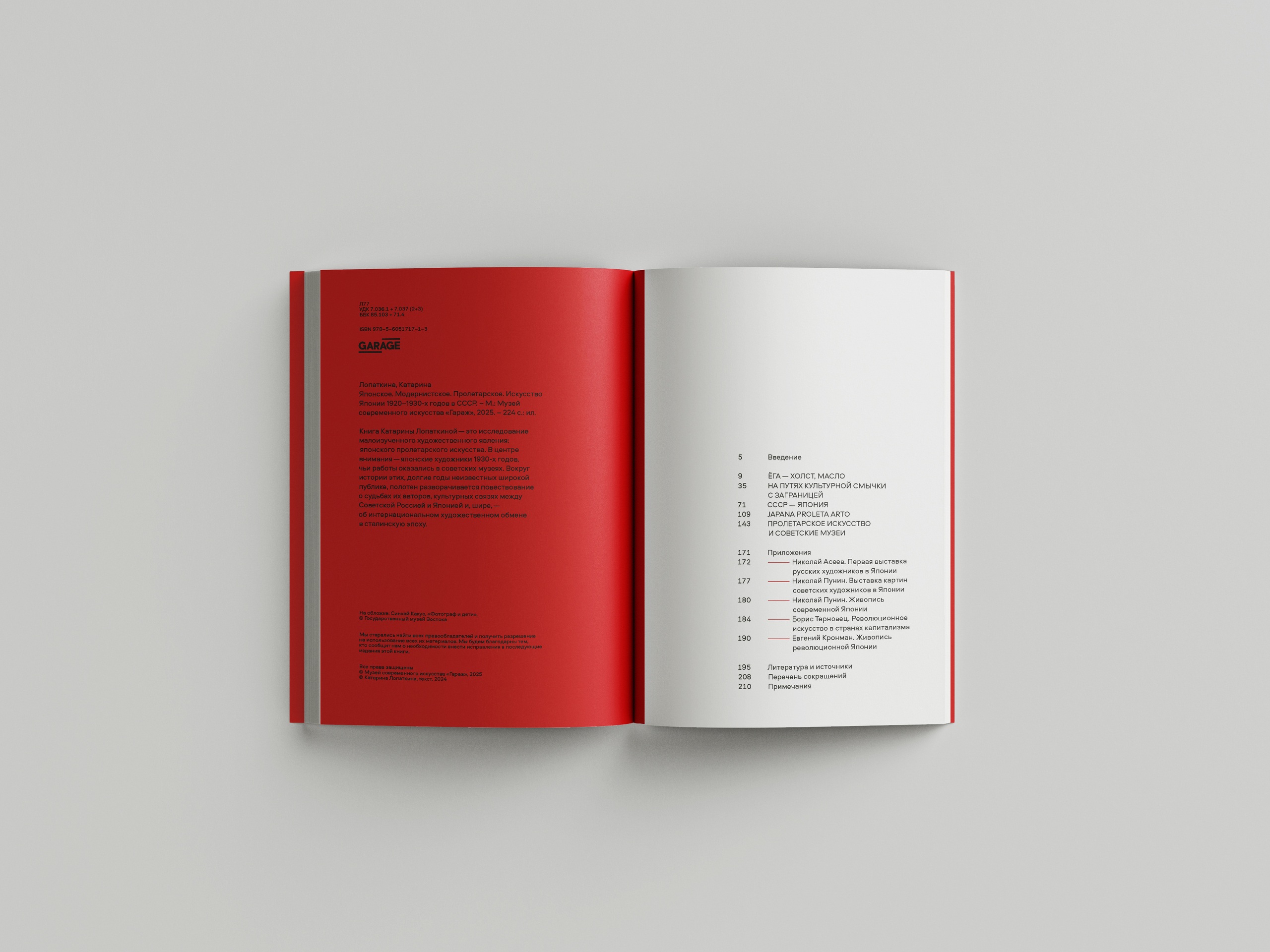
Katarina Lopatkina’s book is an attempt to draw attention to this forgotten phenomenon and restore it to history: here there are Japanese artists who were stars of the Paris salons, Esperanto-language radio broadcasts, secret police reports about Soviet artists, and, quite unexpectedly, even David Burliuk. The study of these «invisible» paintings is at once a detective story, a tragedy, and archive-based nonfiction.