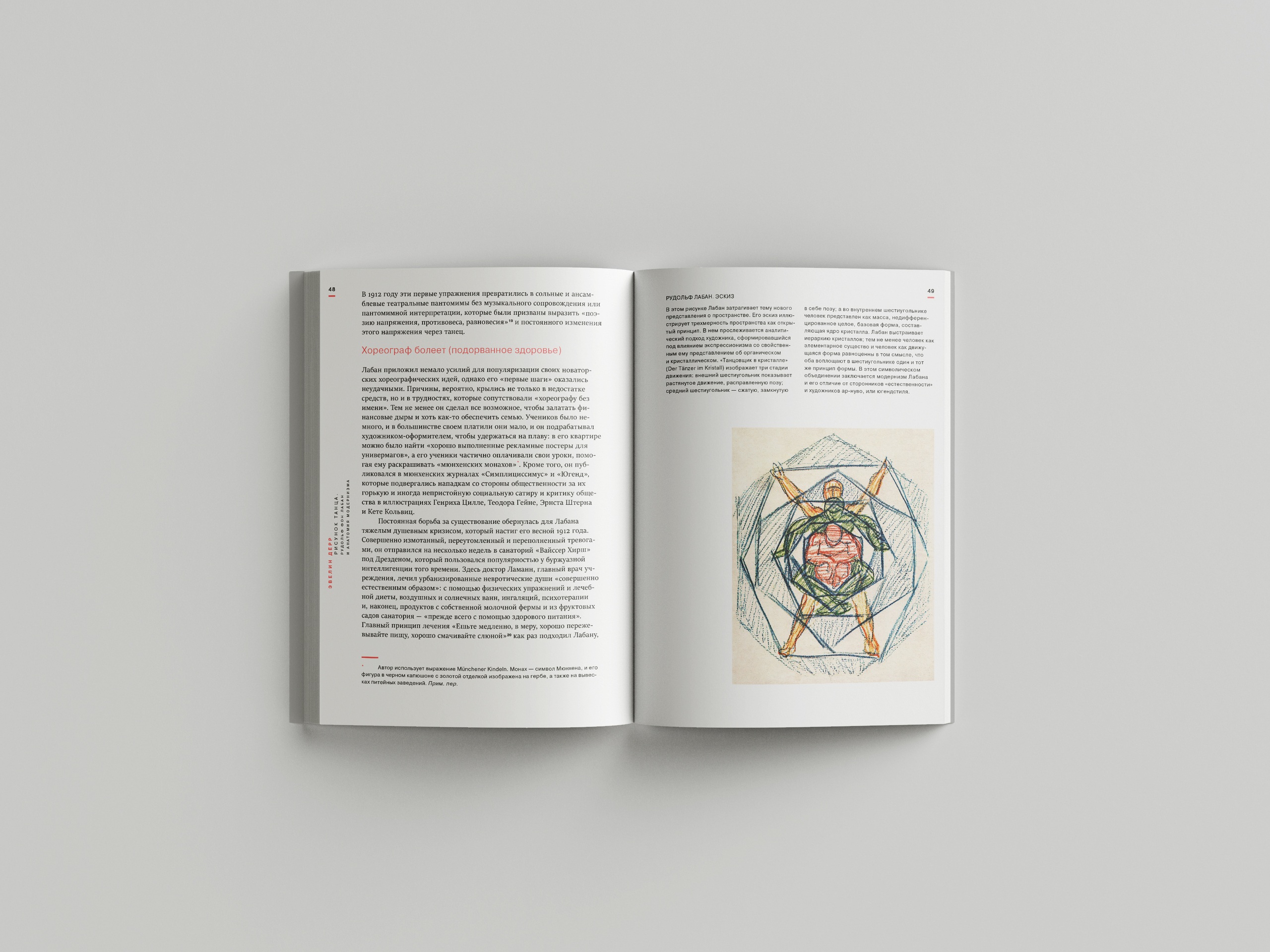
Rudolf Laban (1879–1958) succeeded in transforming dance into a system of knowledge and giving it its own descriptive language.
His work led to the creation of a universal system for recording movement, kinetography (also known as Labanotation), used not only by choreographers but also by physiotherapists and somatic practitioners.
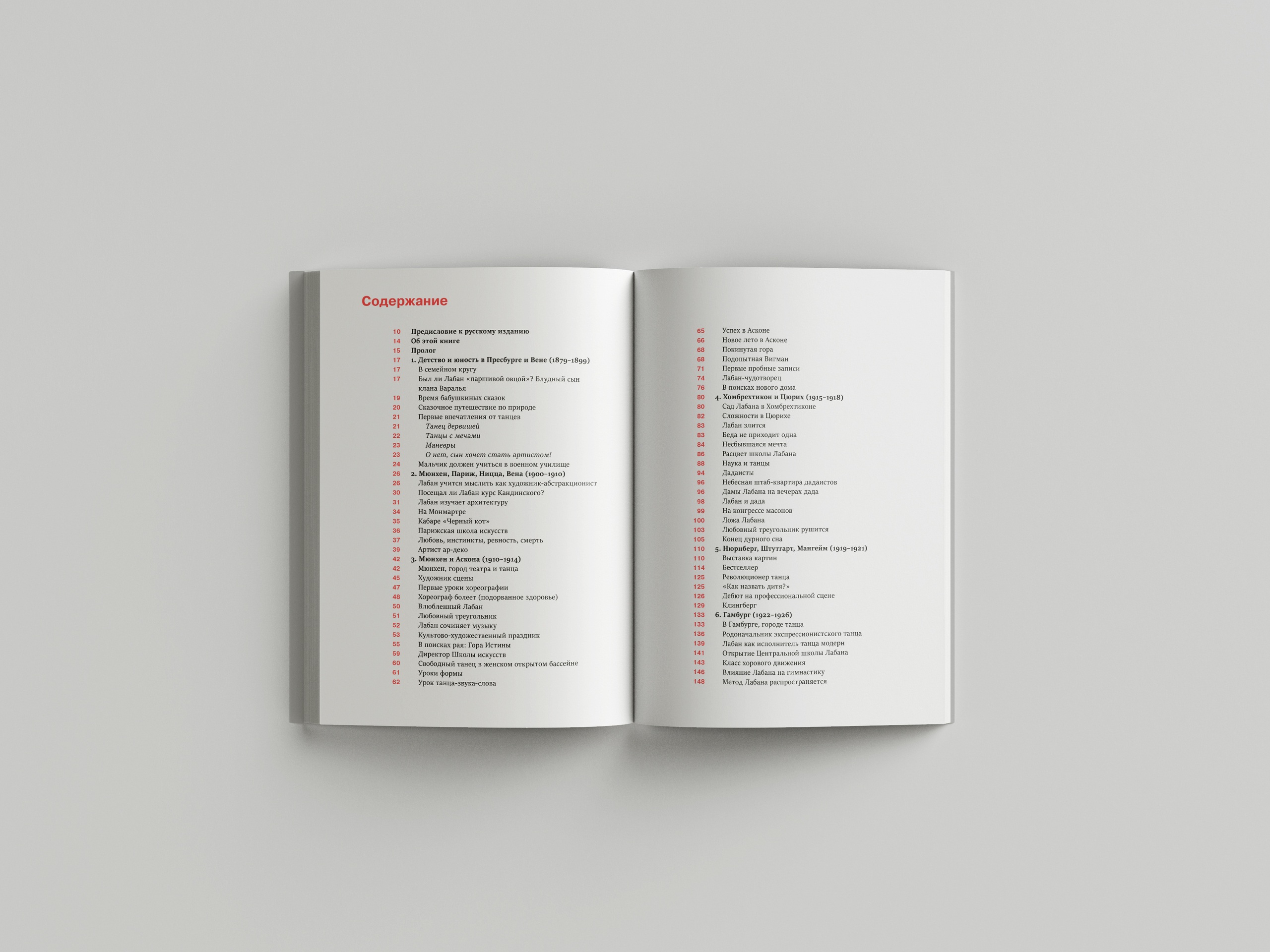
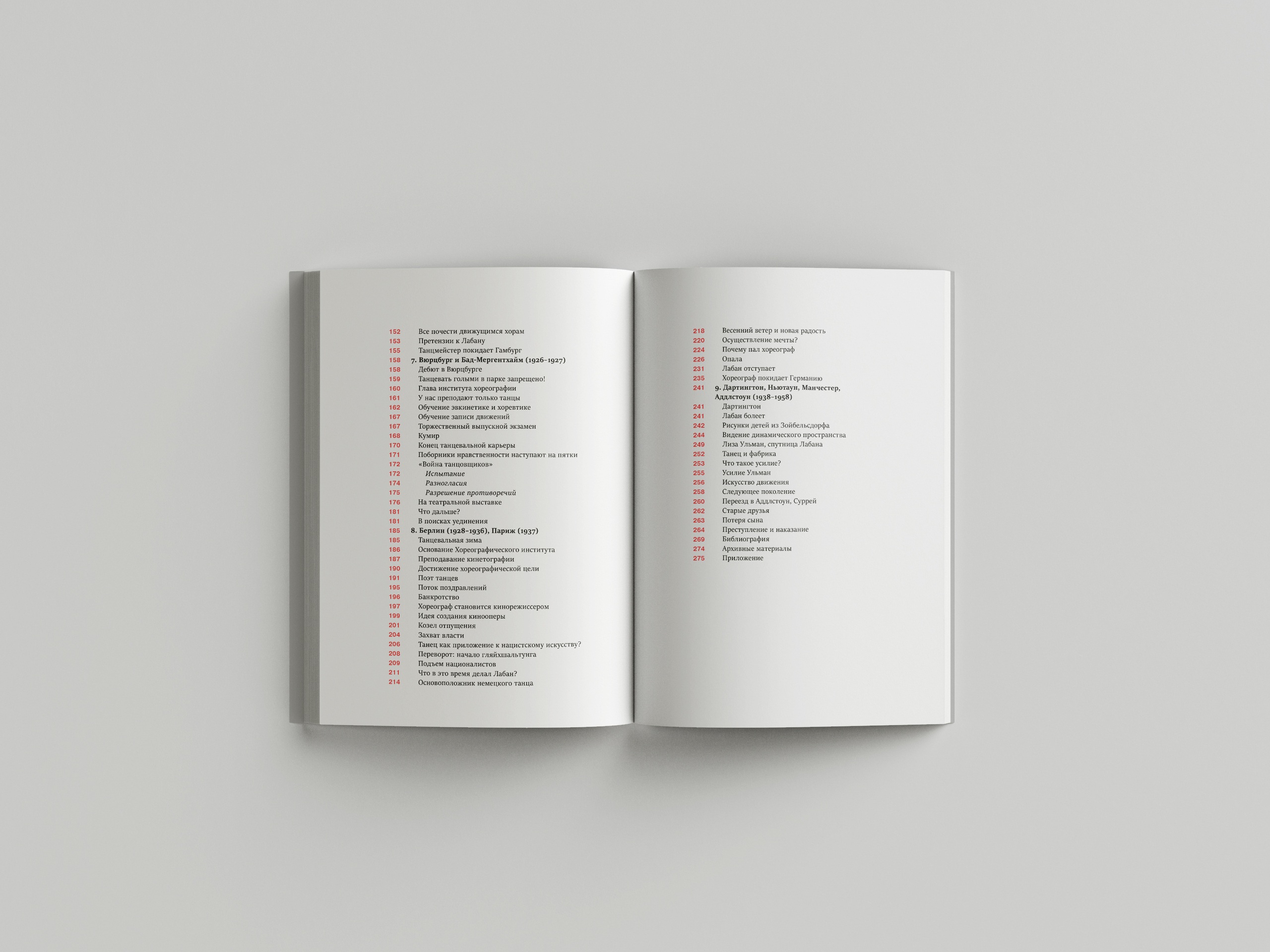
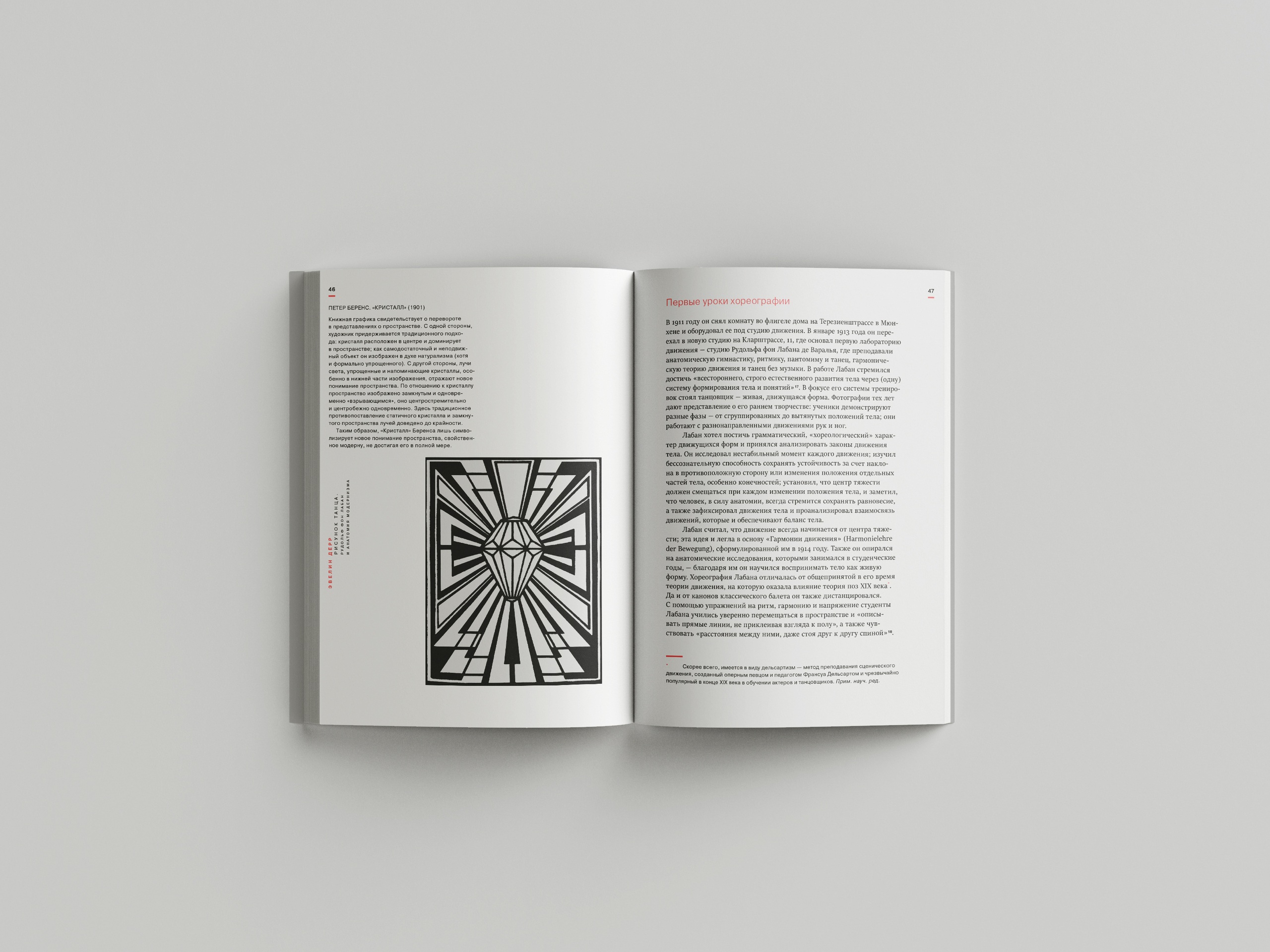
What was innovative about Laban’s legacies, and what role do his discoveries play in contemporary dance? Evelyn Dörr seeks answers to these questions by tracing how Laban’s principles of working with individual and collective choreography evolved, how he moved from intuitive exploration to systematic analysis of movement, and which unexpected sources inspired him: from the dances of dervishes and Chinese characters to Naturphilosophie and Plato’s ideas of universal harmony; from quantum physics and the structure of the atom to biology and the laws governing the formation of natural forms.
This book is the story of a dance reformer, a rebel, and a bold experimenter who devoted his life to the study of movement—how it works and how it can be put into words.