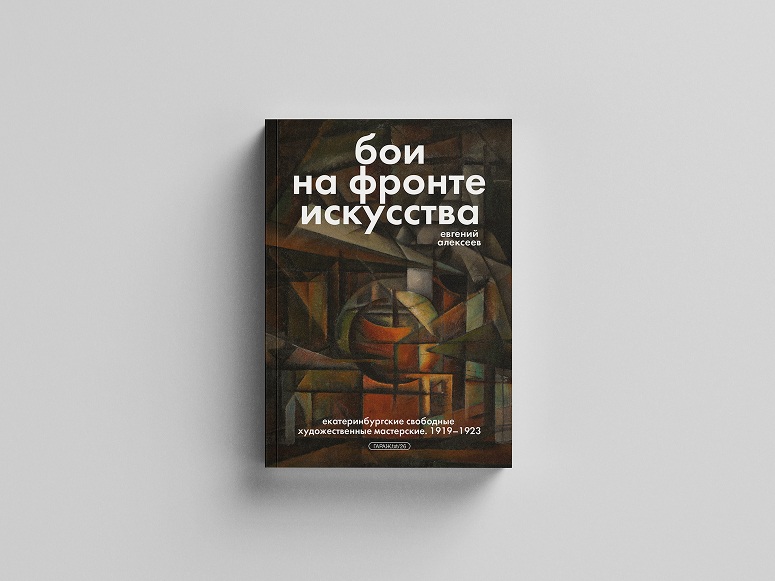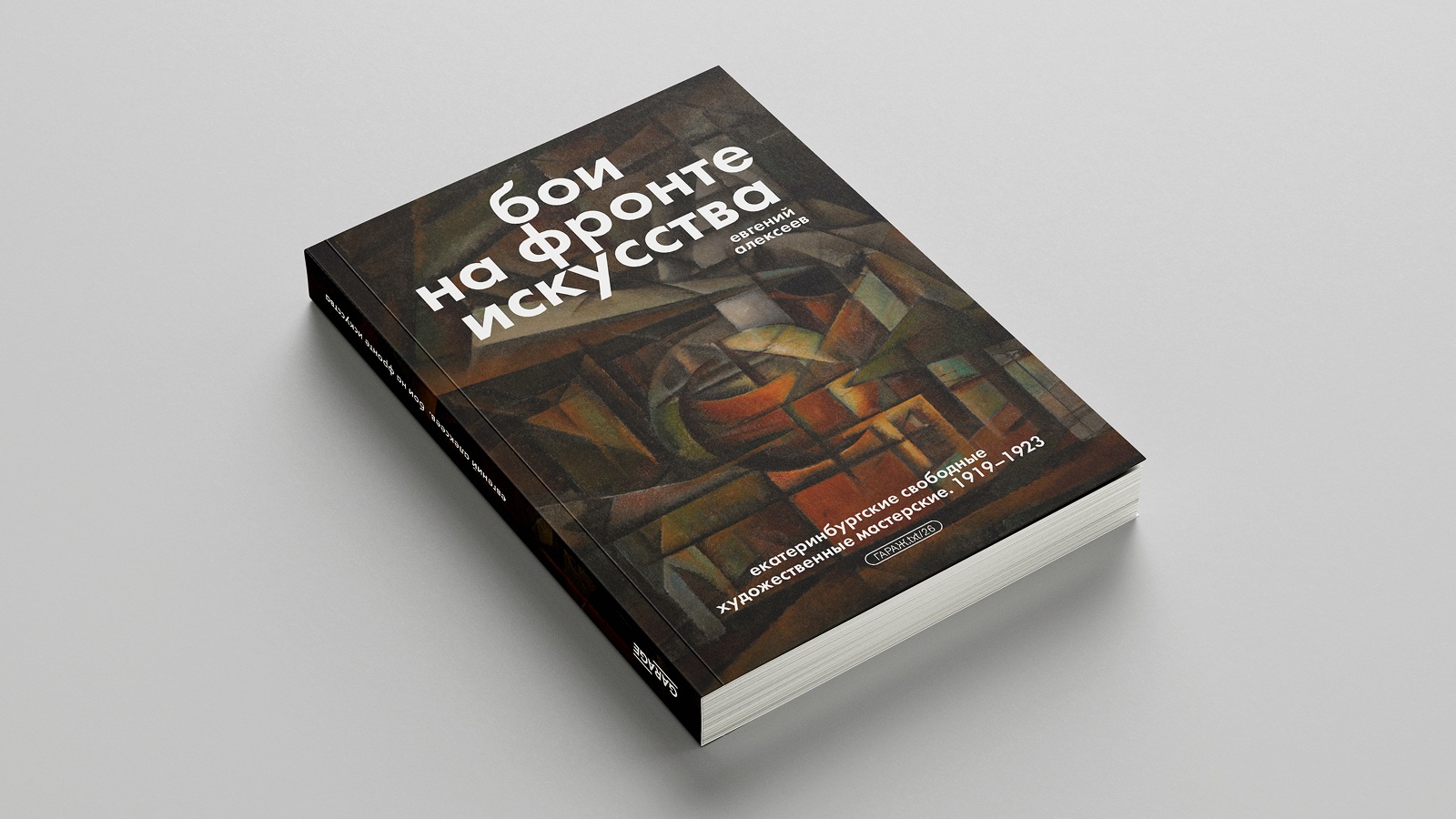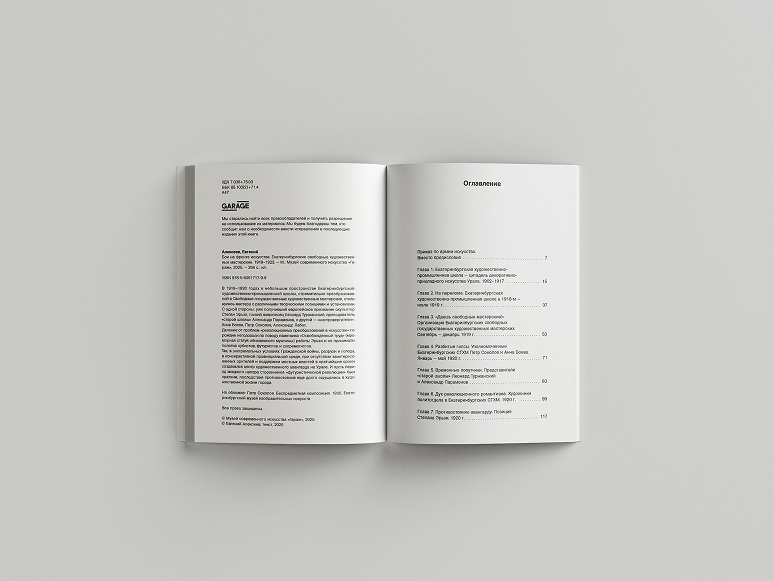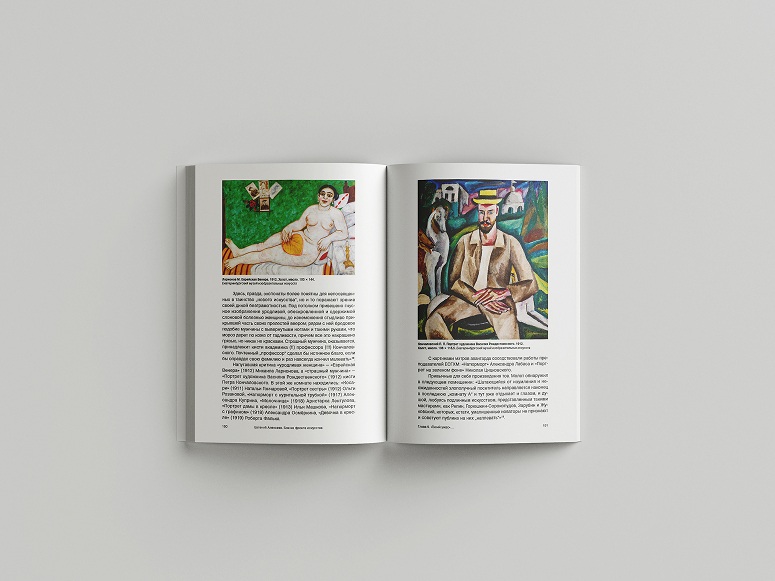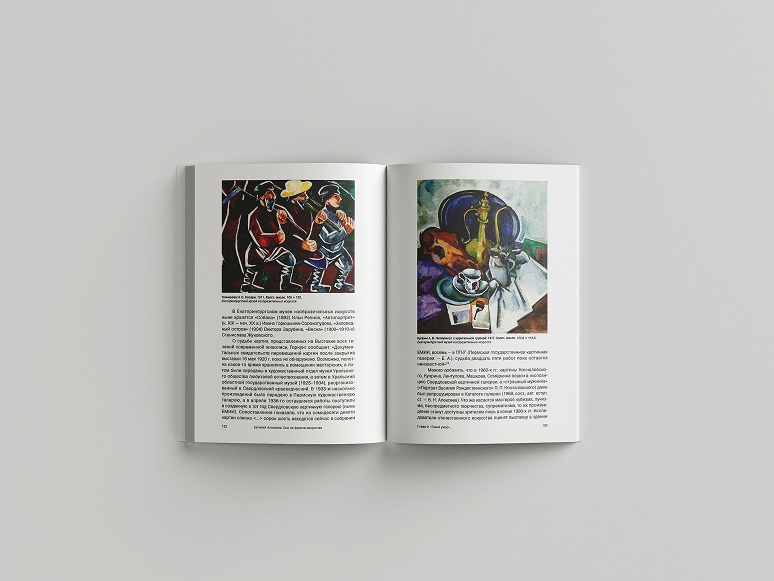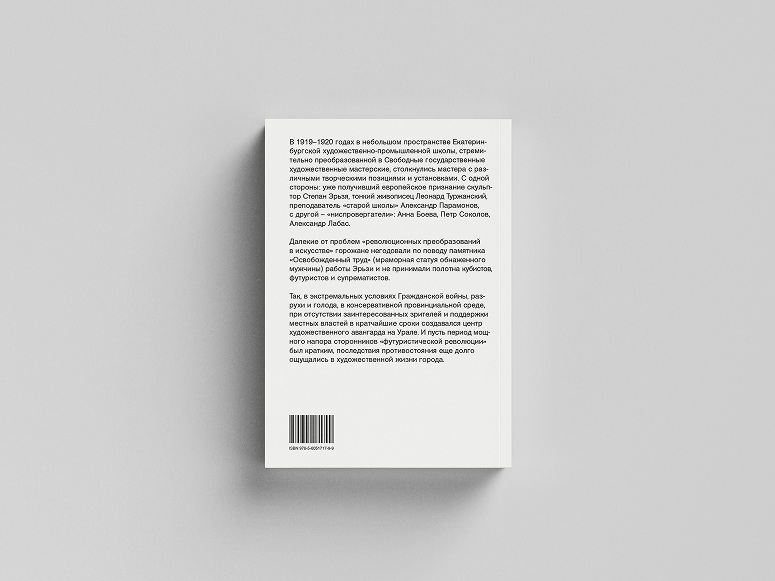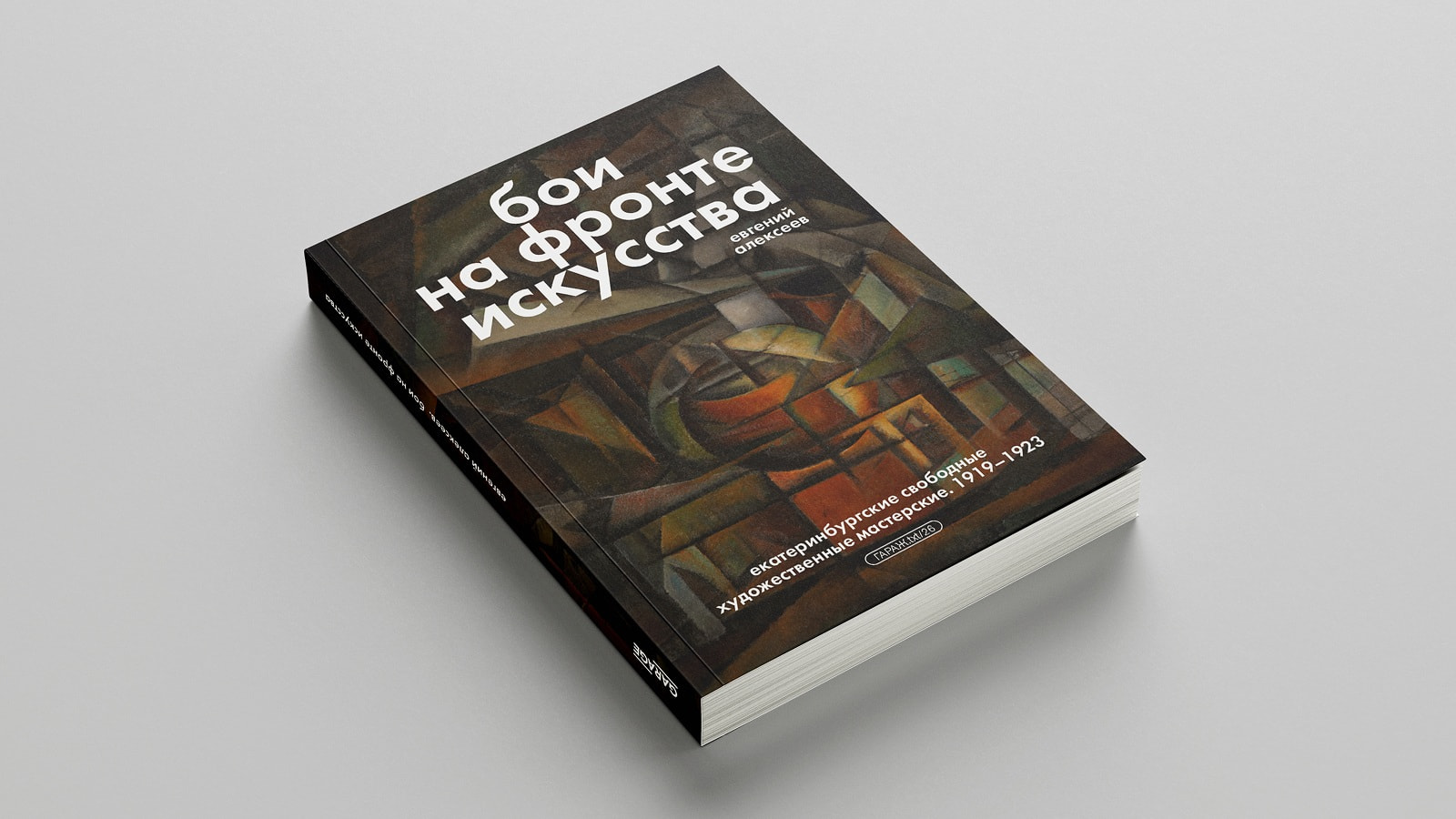
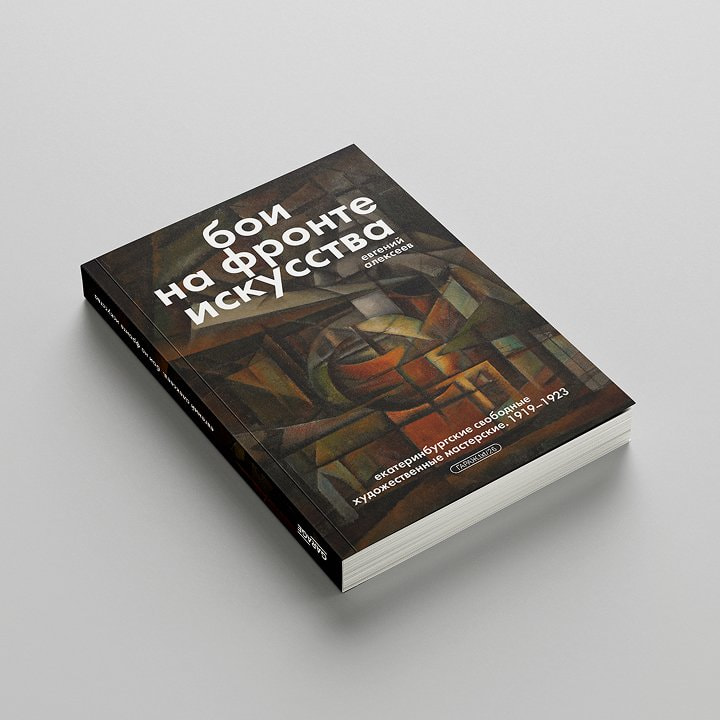
In 1919–1920, within the small space of the Yekaterinburg School of Arts and Crafts—rapidly transformed into the Free State Art Workshops—artists with radically different creative positions and agendas came into conflict.
On one side were figures such as the sculptor Stepan Erzia, who had already gained European recognition, the delicate painter Leonard Turzhansky, and the "old school" teacher Alexander Paramonov. On the other were the "iconoclasts": Anna Boeva, Pyotr Sokolov, and Alexander Labas. Local citizens, far removed from issues of "revolutionary transformations in art," were outraged by Erzia’s monument Liberated Labor (a marble statue of a nude male figure) and rejected the works of the cubists, futurists, and suprematists.
This is how—under the extreme conditions of the Civil War, devastation, and famine, within a conservative provincial environment, and in the absence of an engaged audience or support from local authorities—a center of the artistic avant-garde in the Urals was created in an extraordinarily short time. And even though the period of intense pressure from supporters of the «futurist revolution» was quite brief, the consequences of this confrontation continued to be felt in Yekaterinburg’s artistic life for many years.