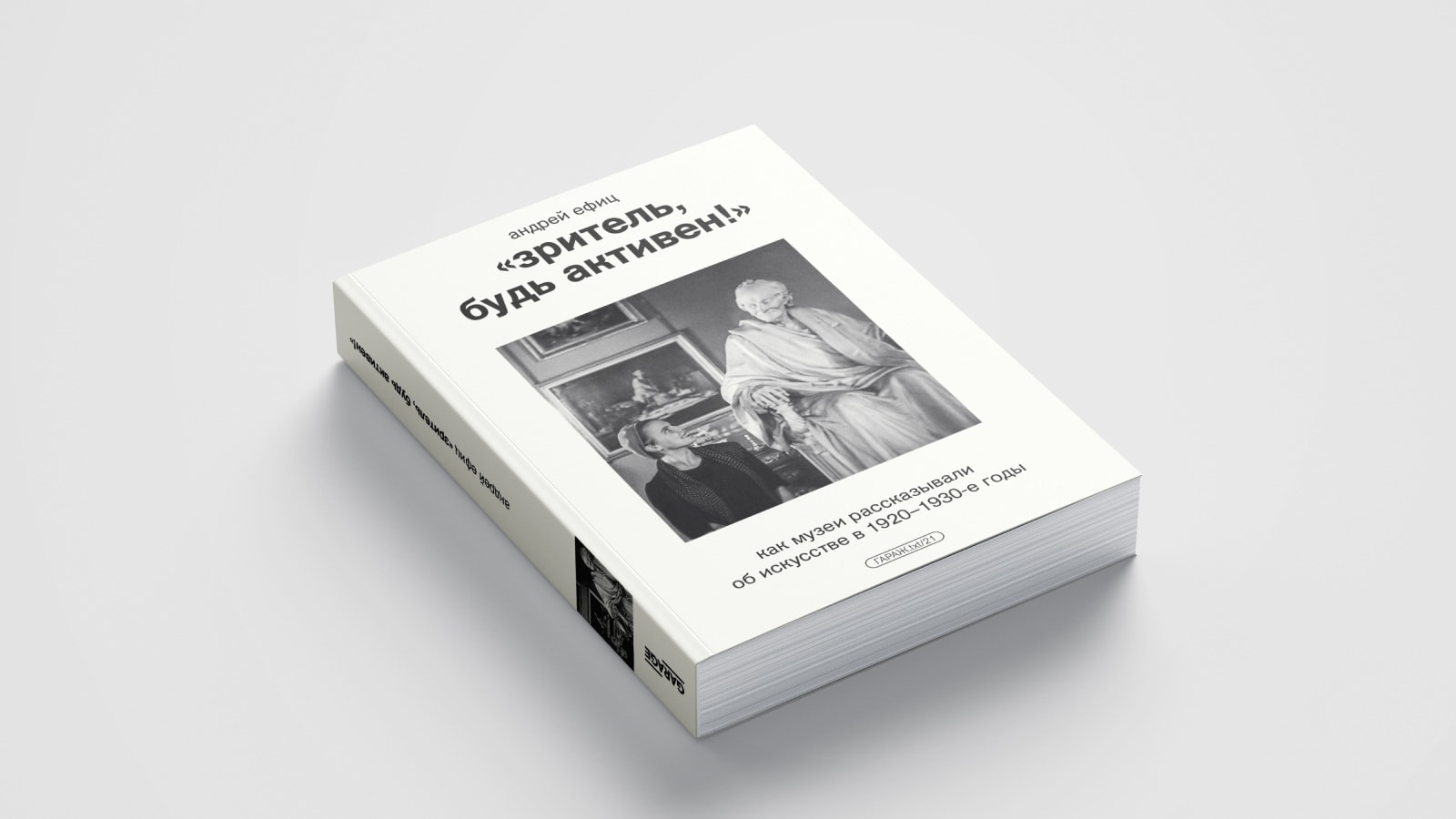
“Spectator, be active!” was the appeal addressed to visitors in the guest book of the State Museum of Modern Western Art in Moscow in the early 1930s.
Yet workers and students who flooded into museums after the Revolution did not always understand where they were or why they were there. “Does Holland still exist?”,“Why does the museum display dishes or scraps of fabric?”,“Why are the statues missing their noses?”—such questions were among the most common asked by visitors to the Hermitage in 1929. «Your museums are alive!» exclaimed René Huyghe, curator of the Louvre, in 1932—one of many who admired the Soviet museums’ turn toward the masses. Faster in some places, slower in others, the same process was unfolding around the world: museums were becoming more open.
This book explores how museums in the Soviet Union, the United States, France, Germany, and other countries presented art through the 1920s and 1930s. The long-awaited reopening of evacuated collections, the global financial crisis, the broad expansion of education, and political pressures (especially in authoritarian regimes) forced museums to renounce conservative policies. Accustomed to modern, dynamic entertainment, audiences too became more demanding, far more eagerly attending football matches or visiting cinemas. In these new circumstances, museums were compelled to take a more active role, addressing not only visitors’ questions but also the broader issue of their institutions’ purpose.