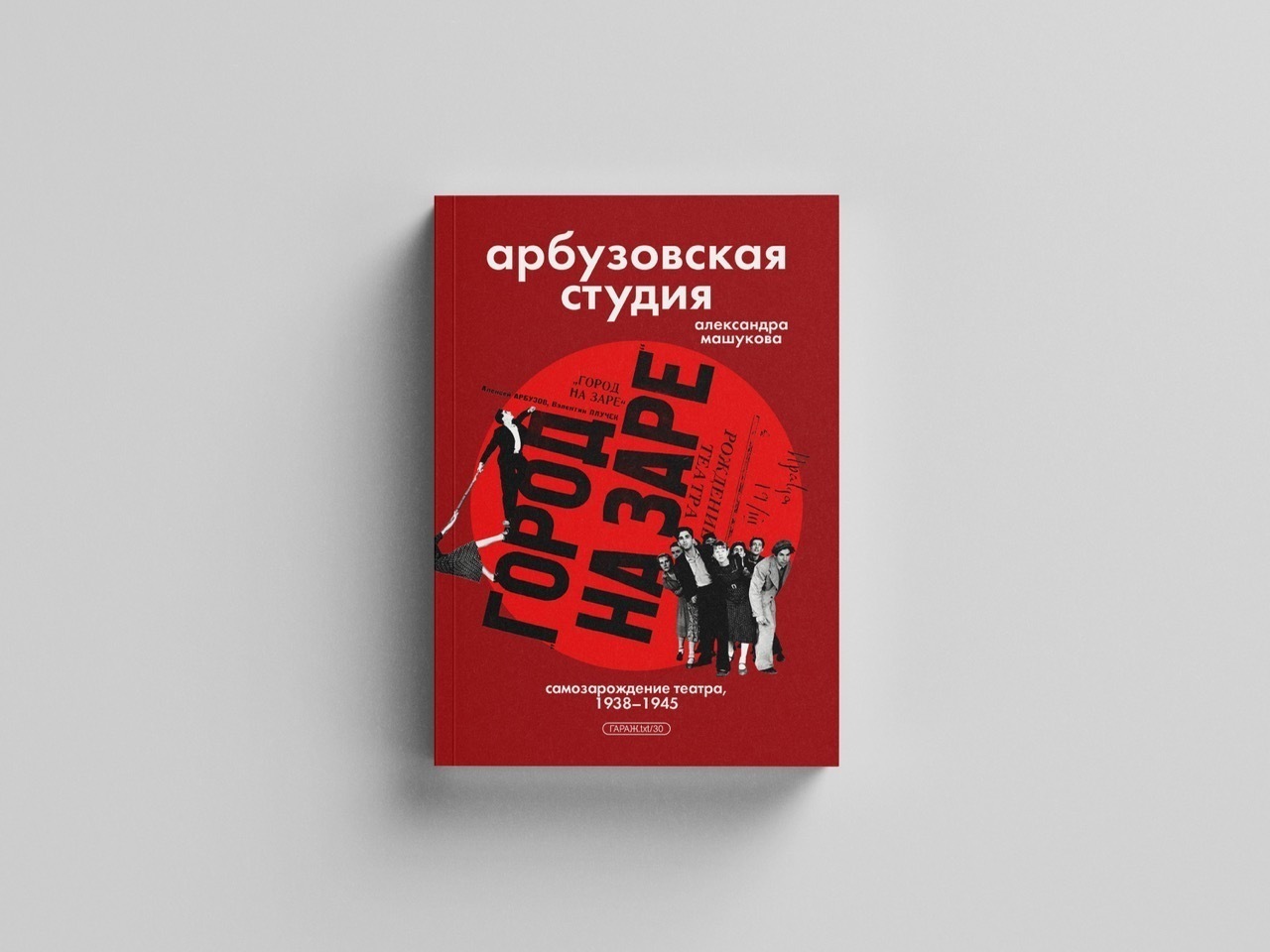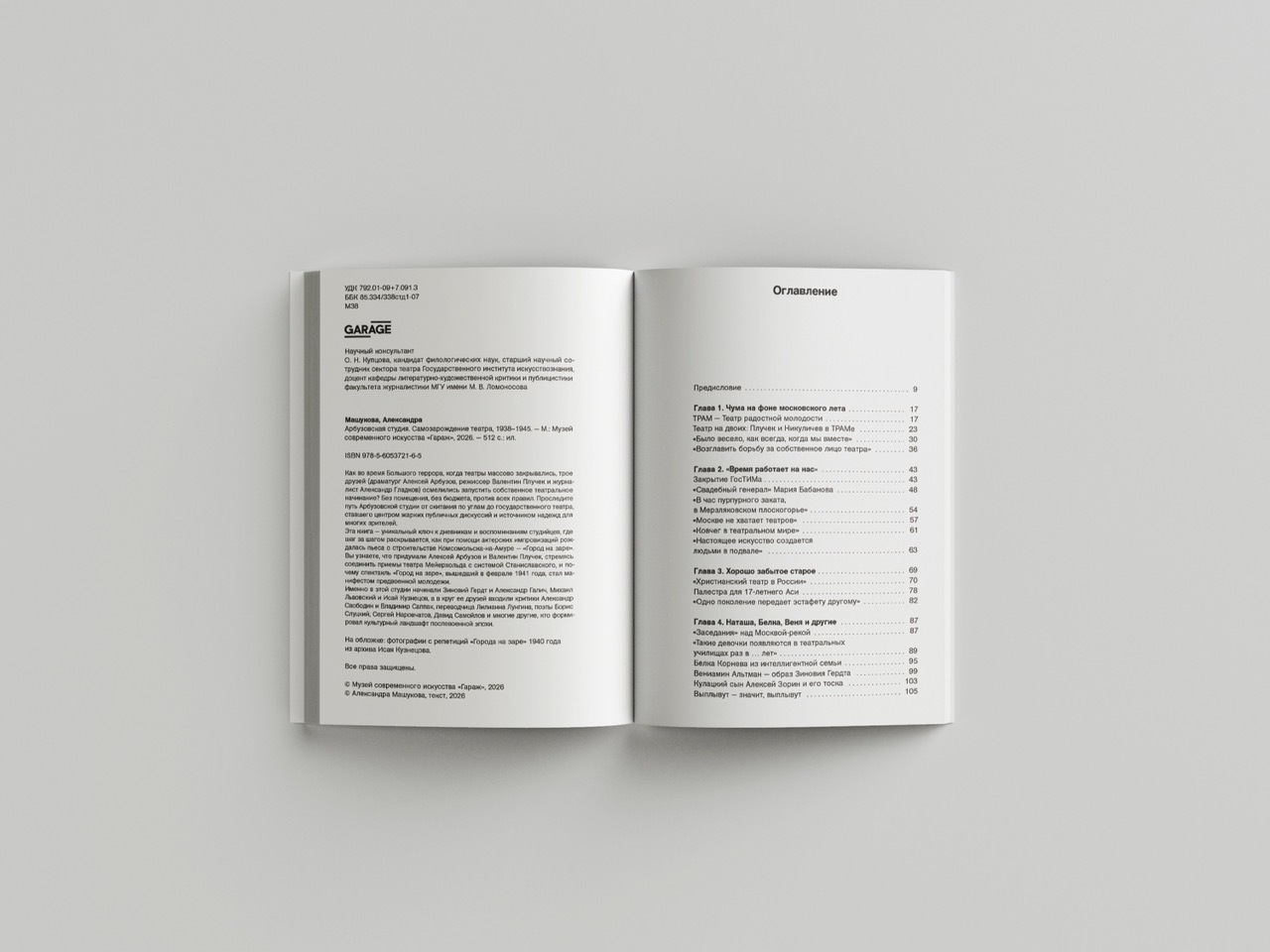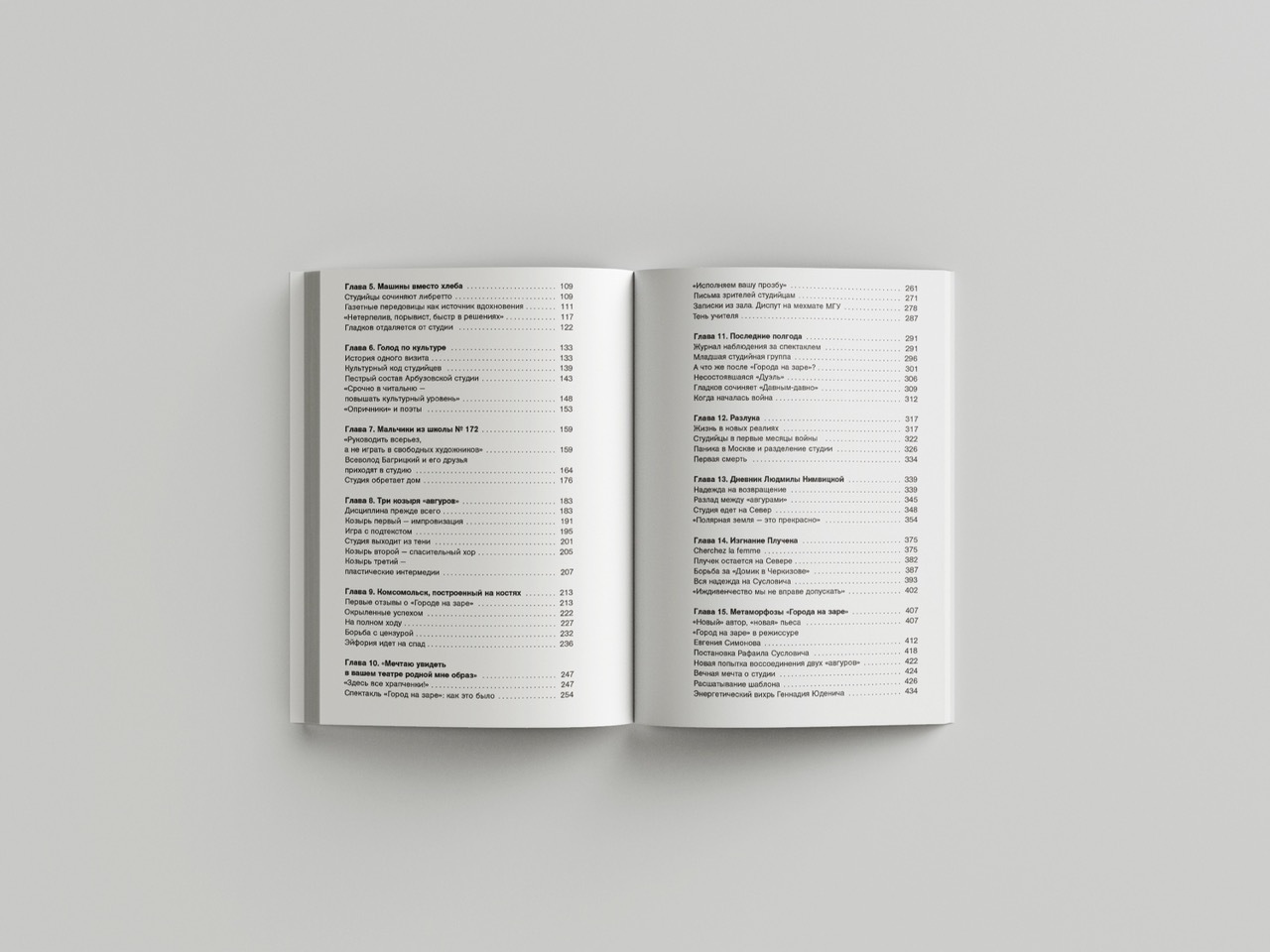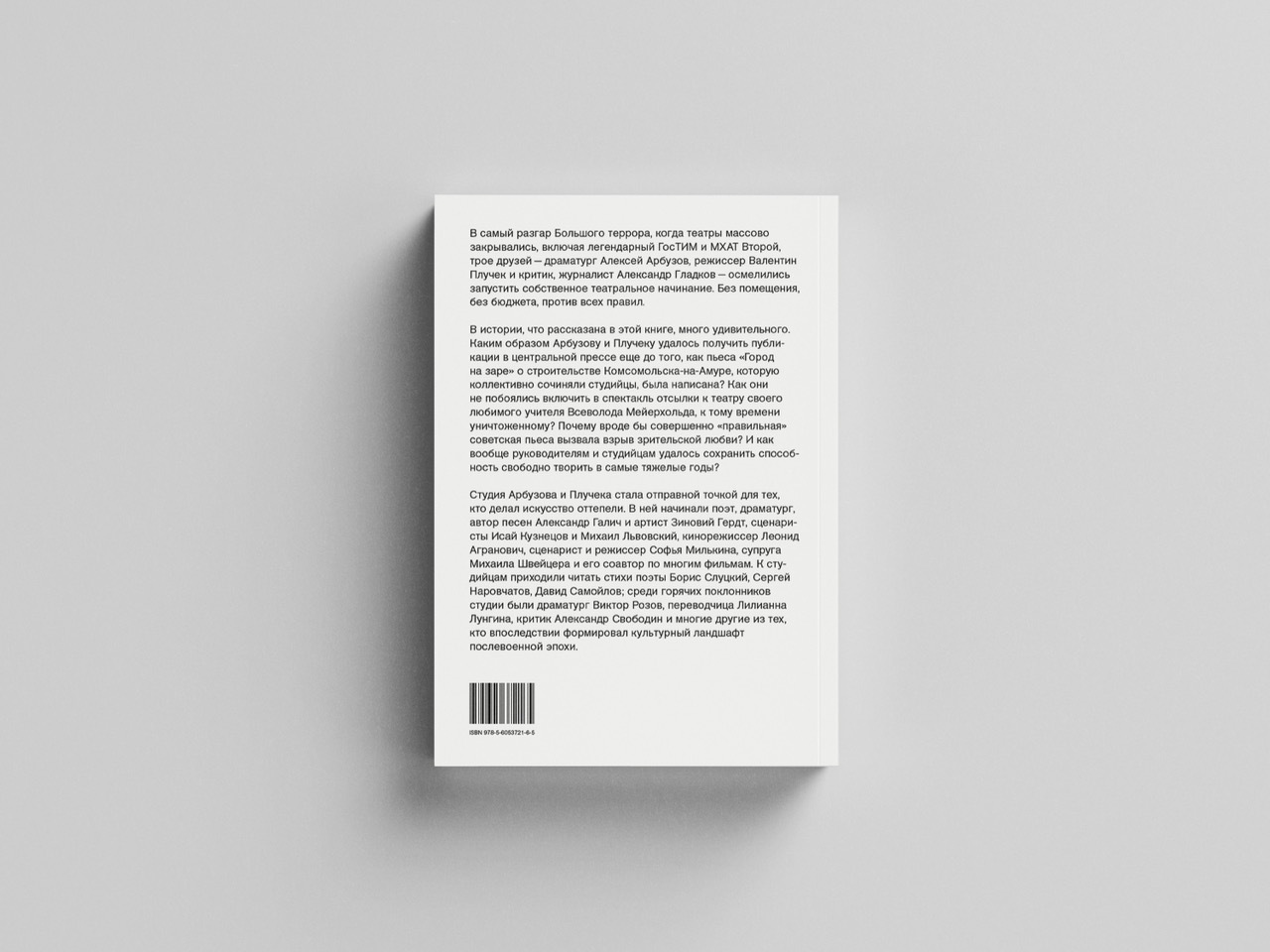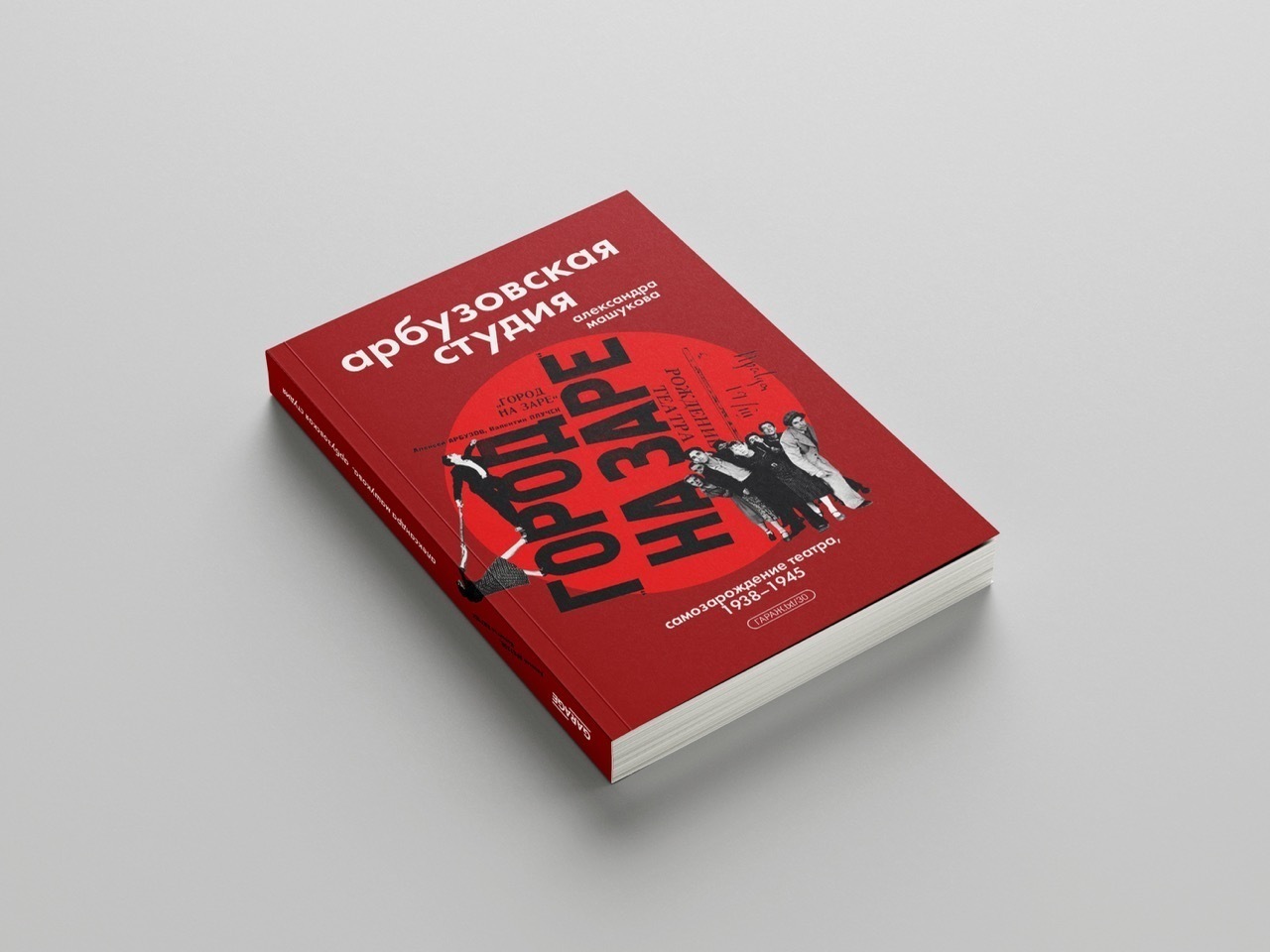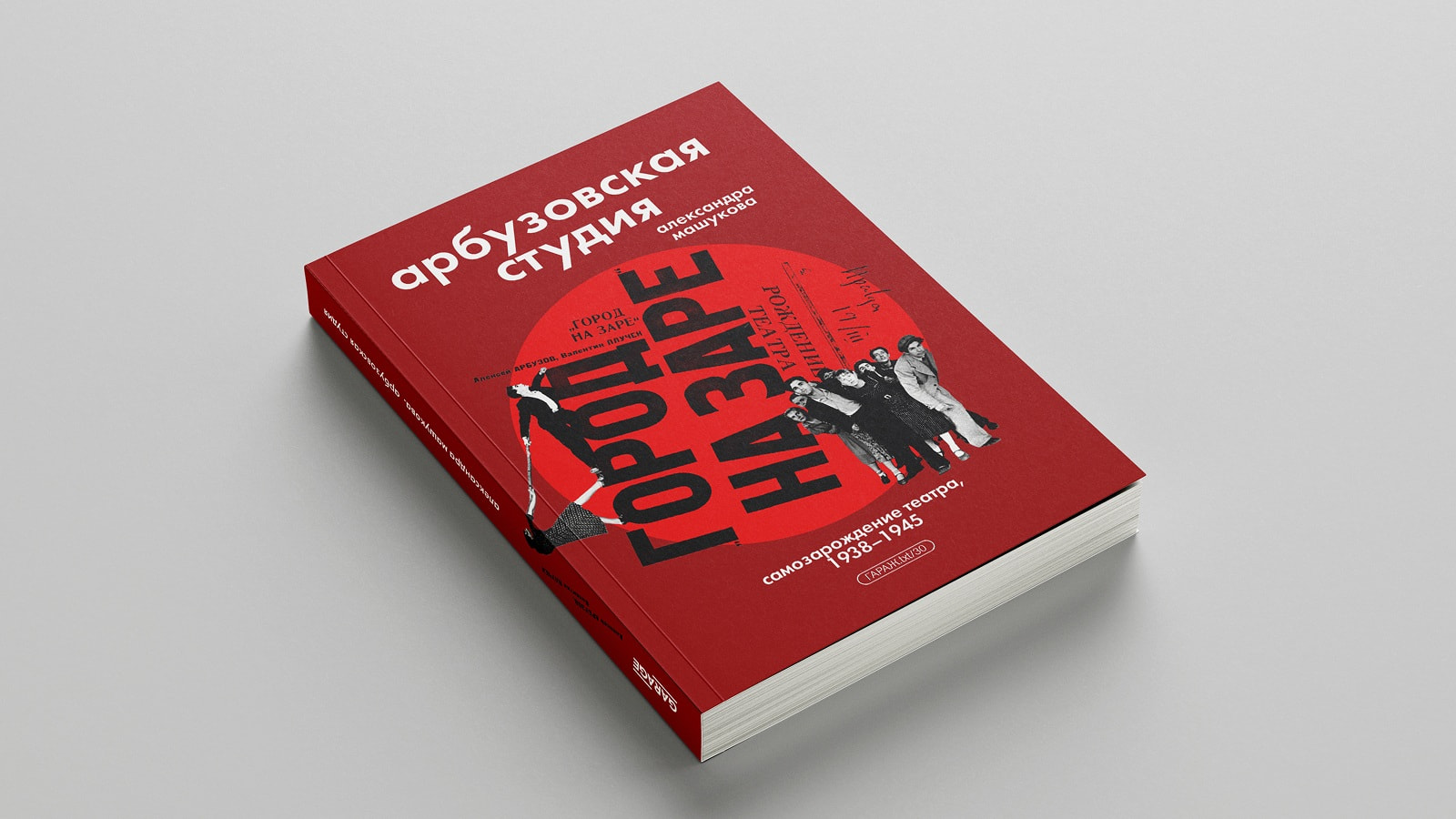
At the height of the Great Terror, when theaters were being shut down en masse, including the legendary Meyerhold State Theater (GosTIM) and the Second Moscow Art Theater, three friends— playwright Aleksei Arbuzov, director Valentin Pluchek, and critic and journalist Alexander Gladkov—dared to launch their own theatrical venture. Their initiative, which went down in history as the Arbuzov Studio, emerged without a venue, without a budget, and against all established rules.
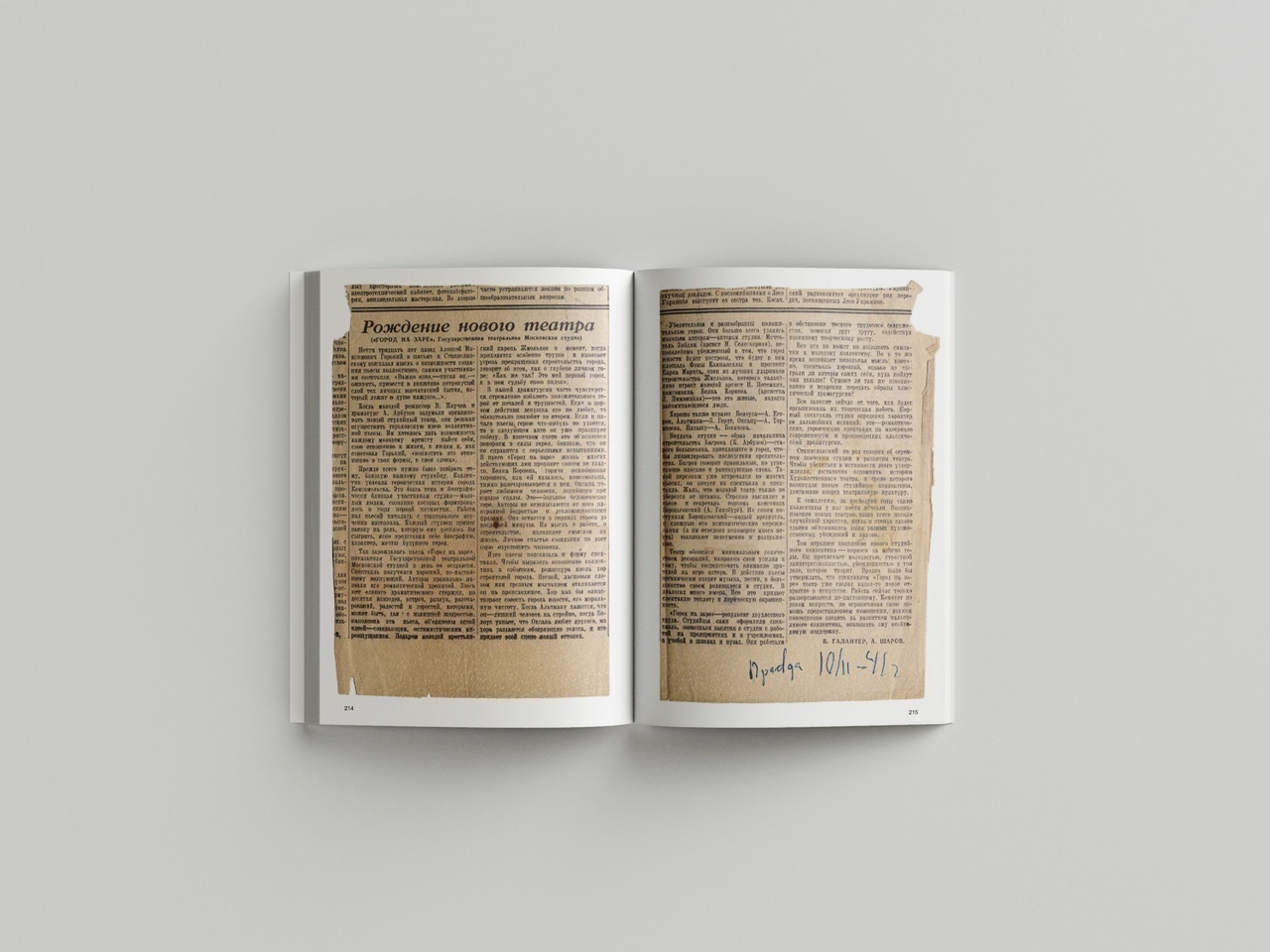
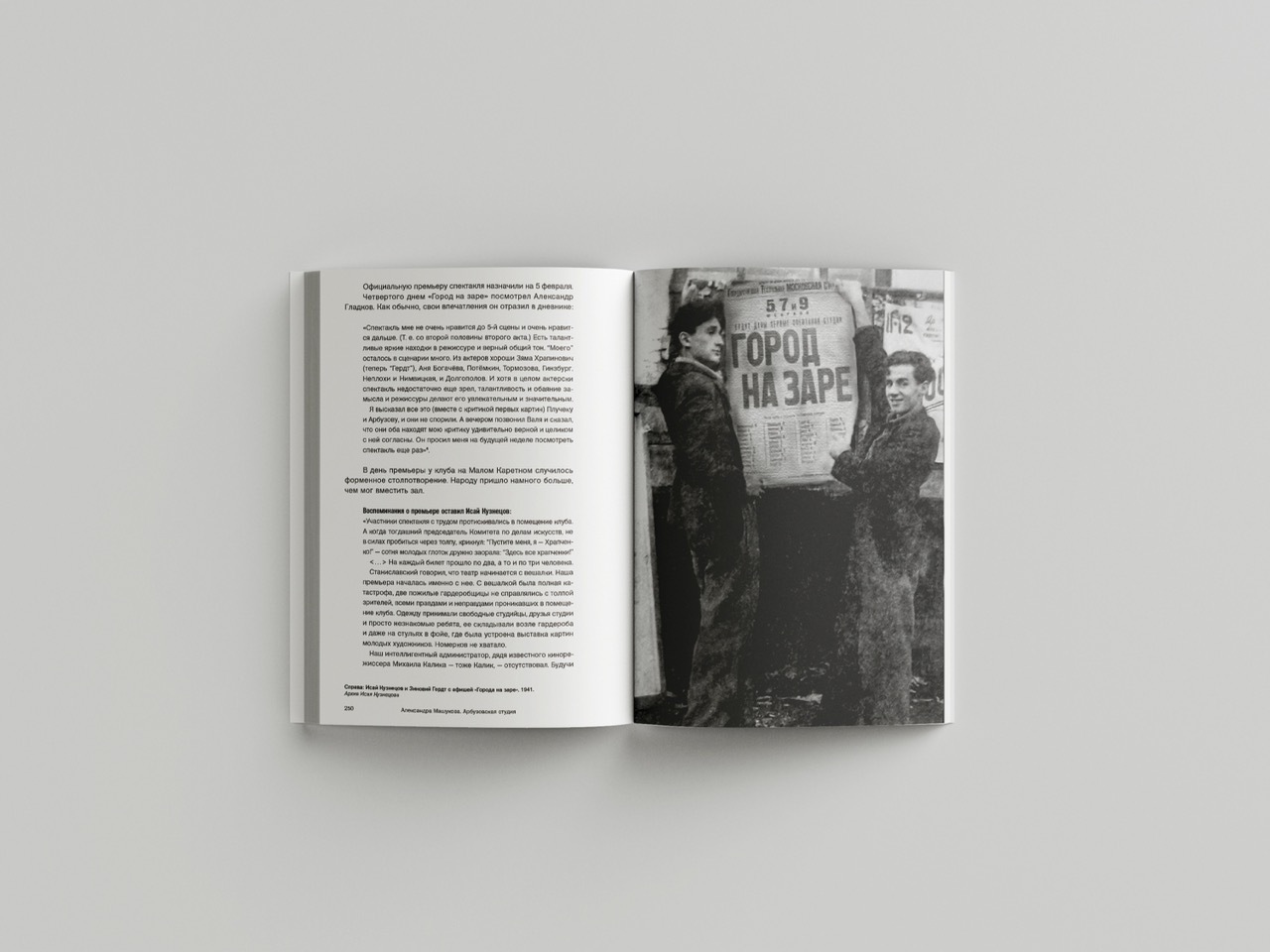
The story told in this book is full of astonishing episodes. How did Arbuzov and Pluchek manage to secure coverage in the national press even before the play City at Dawn about the construction of Komsomolsk-on-Amur, collectively written by studio members, had actually been completed? How did the trio dare to include references to the theater of their beloved teacher Vsevolod Meyerhold (who by that time had been repressed) in their own productions? Why did an apparently entirely «correct» Soviet play provoke an outpouring of love from the audience? And how, in general, did the studio’s leaders and participants manage to preserve the capacity for free artistic creation during the harshest years?
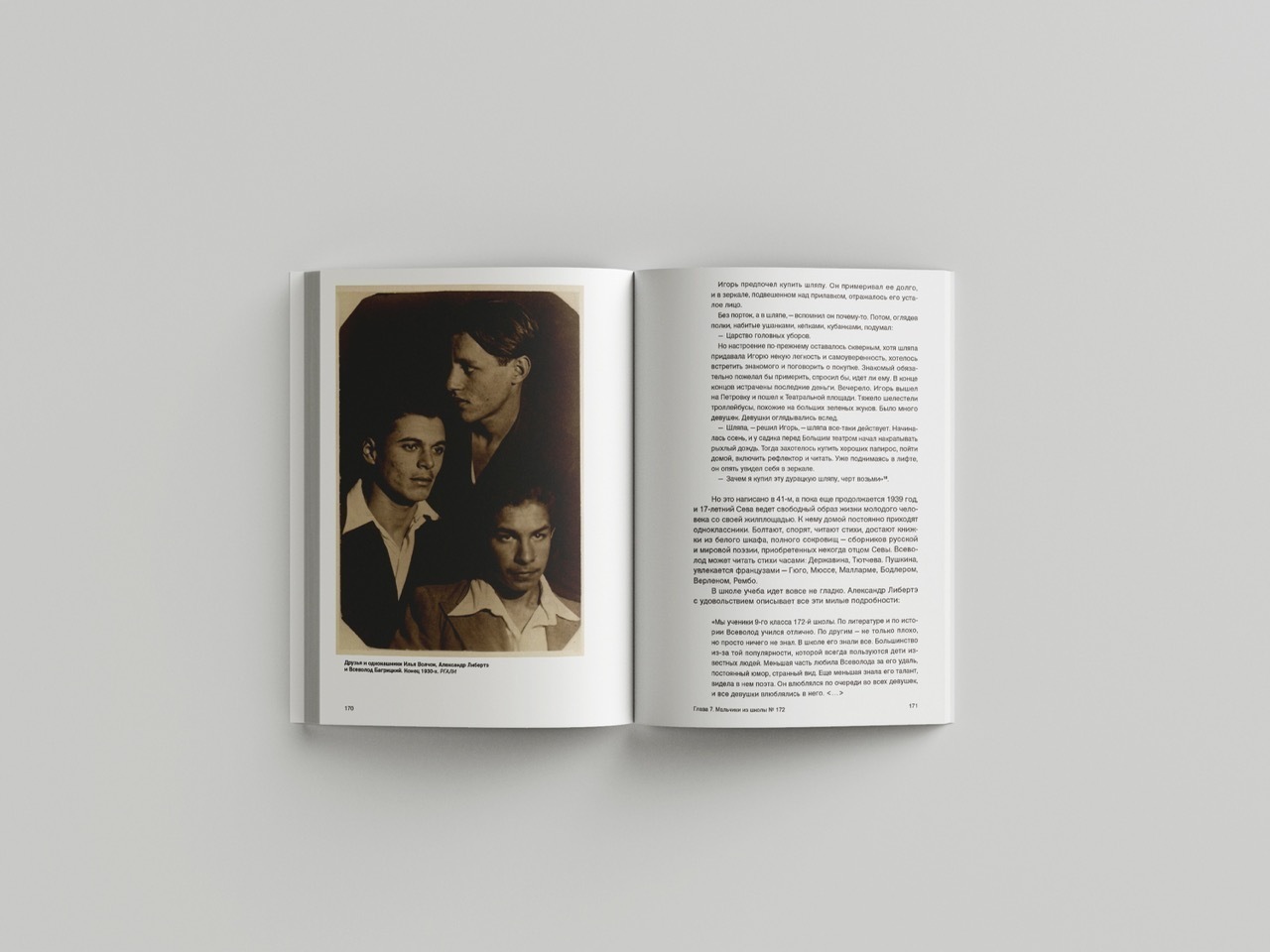
The Arbuzov-Pluchek Studio became a starting point for many of those who would go on to shape the art of the Khrushchev «thaw.» Among those who began their careers there were poet and songwriter Alexander Galich, actor Zinovy Gerdt, screenwriters Isai Kuznetsov and Mikhail Lvovsky, directors Leonid Agranovich and Sofia Milkina, the wife of Mikhail Schweitzer and a co-author of many of his films. Poets Boris Slutsky, Sergey Narovchatov, and David Samoylov came to the studio to read their poetry. Among its ardent admirers were playwright Viktor Rozov, translator Lilianna Lungina, critic Alexander Svobodin, and others who would later help shape the cultural landscape of the postwar era.