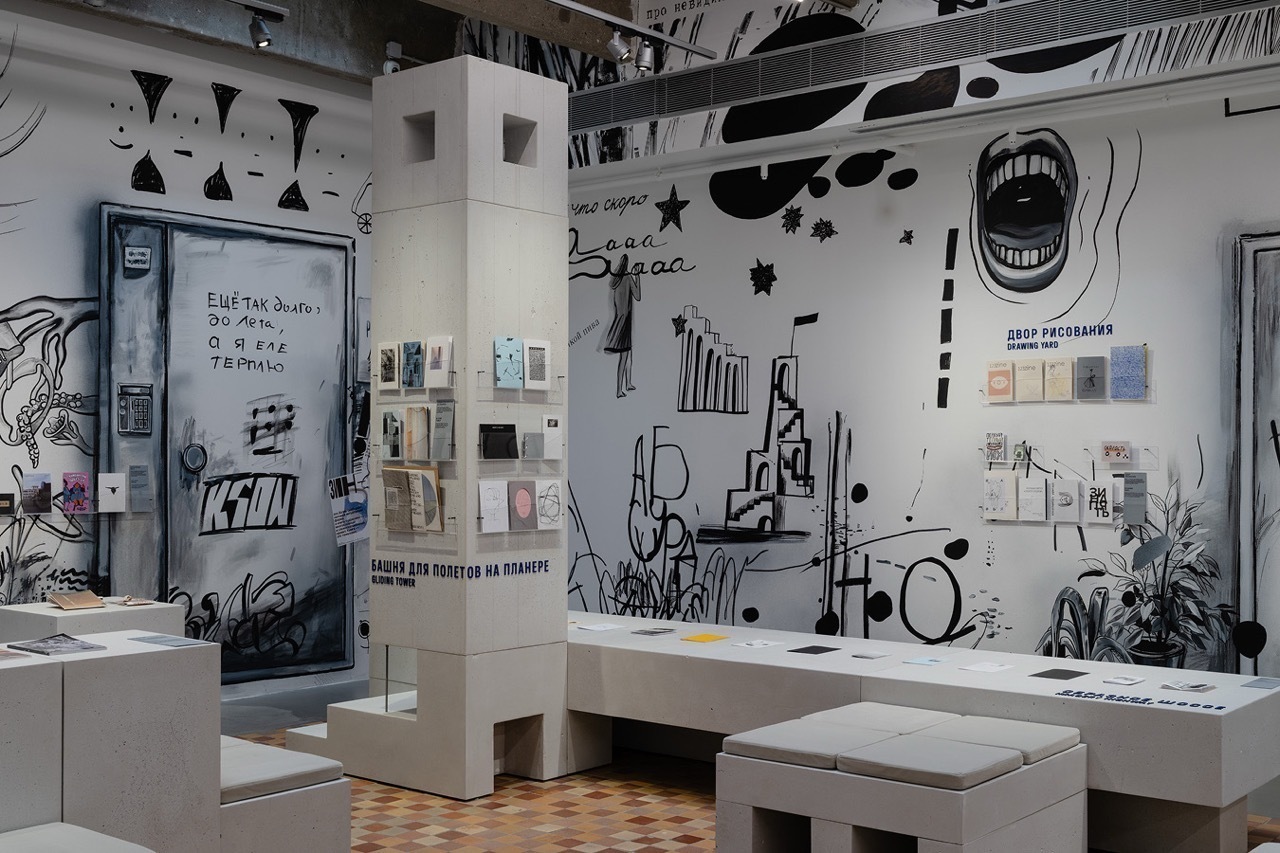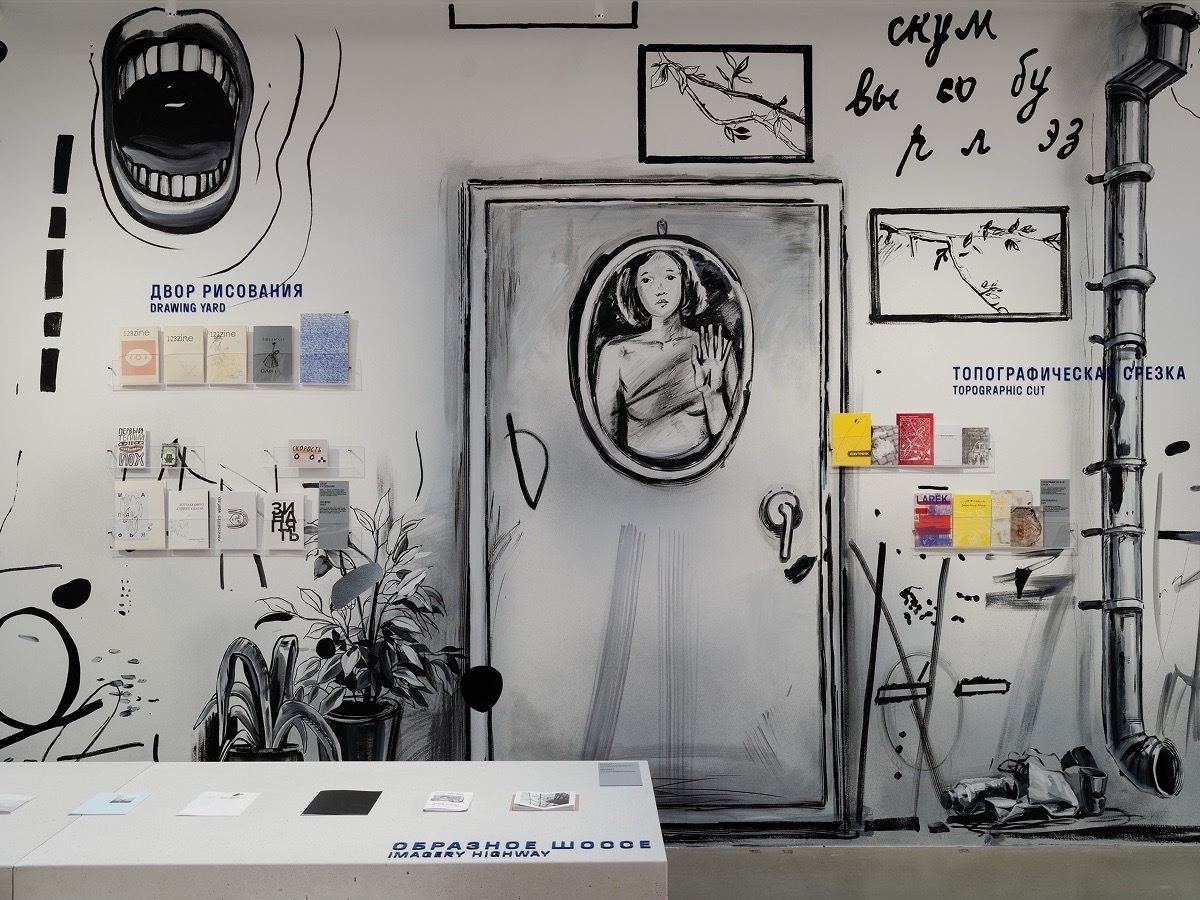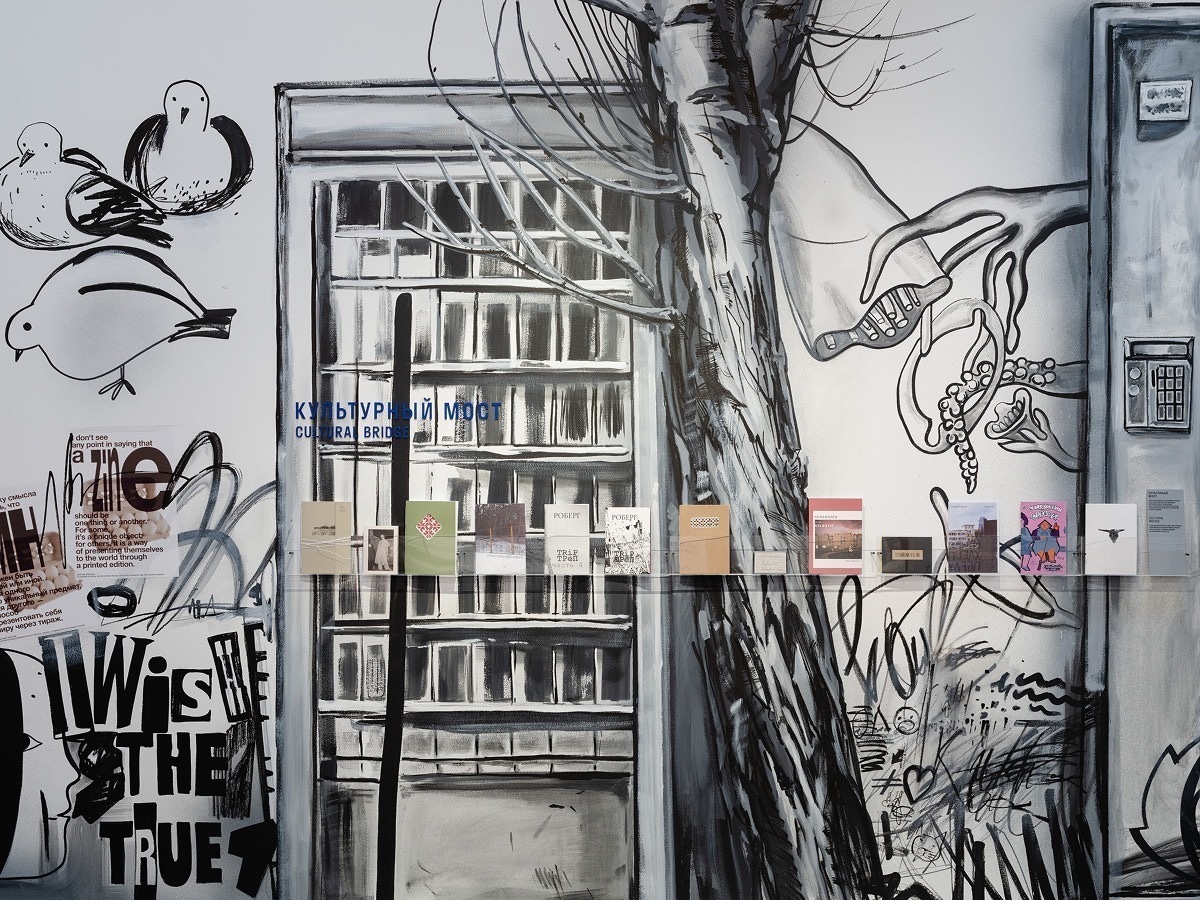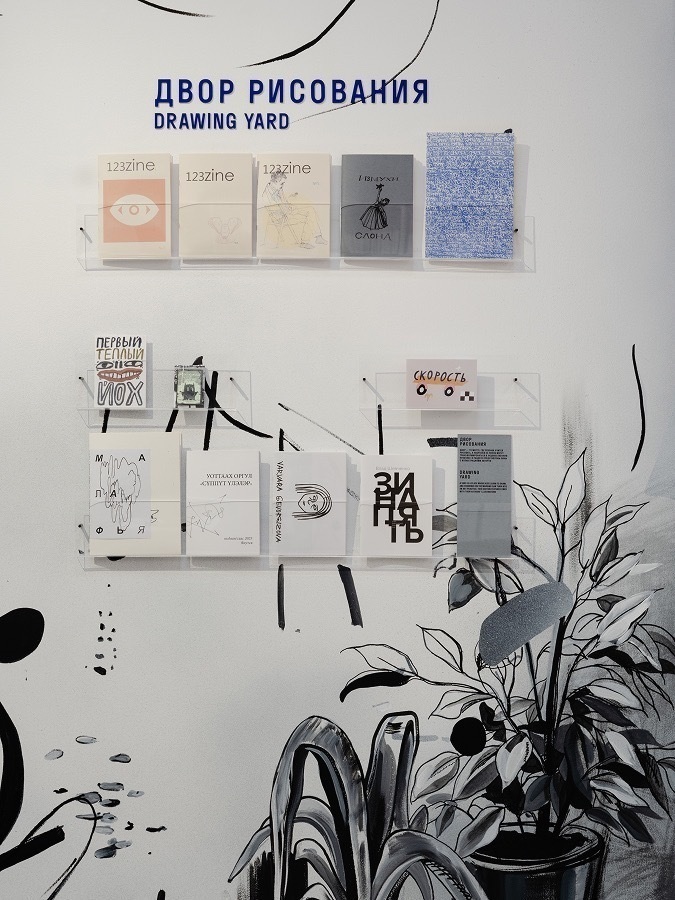

This project explores small-edition independent publications as a space for visual experiments, communication, and exchange. It features over two hundred publications by Russian authors from Garage Library.
Since 2012, Garage has been compiling an archive on the history of the Soviet underground and Russian contemporary art. In 2014, a public library opened within Garage Archive Collection, which includes a collection of contemporary Russian samizdat: photographic books and art and poetry zines. Today, with over two thousand works, it is the largest collection of its kind.
Zines are small-edition publications that are independently produced and distributed by their authors. The first zines in Russia emerged in the 1990s. Some authors turned to zines intuitively, searching for a fun and uncomplicated format for their practice; others were introduced to them at international festivals and residencies. As well as their own works, they published zines by friends and the artists whose work they wanted to spread. In the early 2010s, self-organized publishers and printing workshops started to appear, which were open to cooperation and exchange of experience, as did zine fairs and festivals.
Today, emerging artists are still as interested in the format of artist’s publications as ever. Zines can launch careers and offer a space for visual experiments, as well as an opportunity to gain experience and receive feedback from colleagues. Zines travel by post, change hands after festivals, appear on the shelves of independent bookshops or at self-organized art spaces. They are closely tied with city life, as in a densely populated urban environment they have the highest chance of reaching an interested reader and communicating outside of social networks.
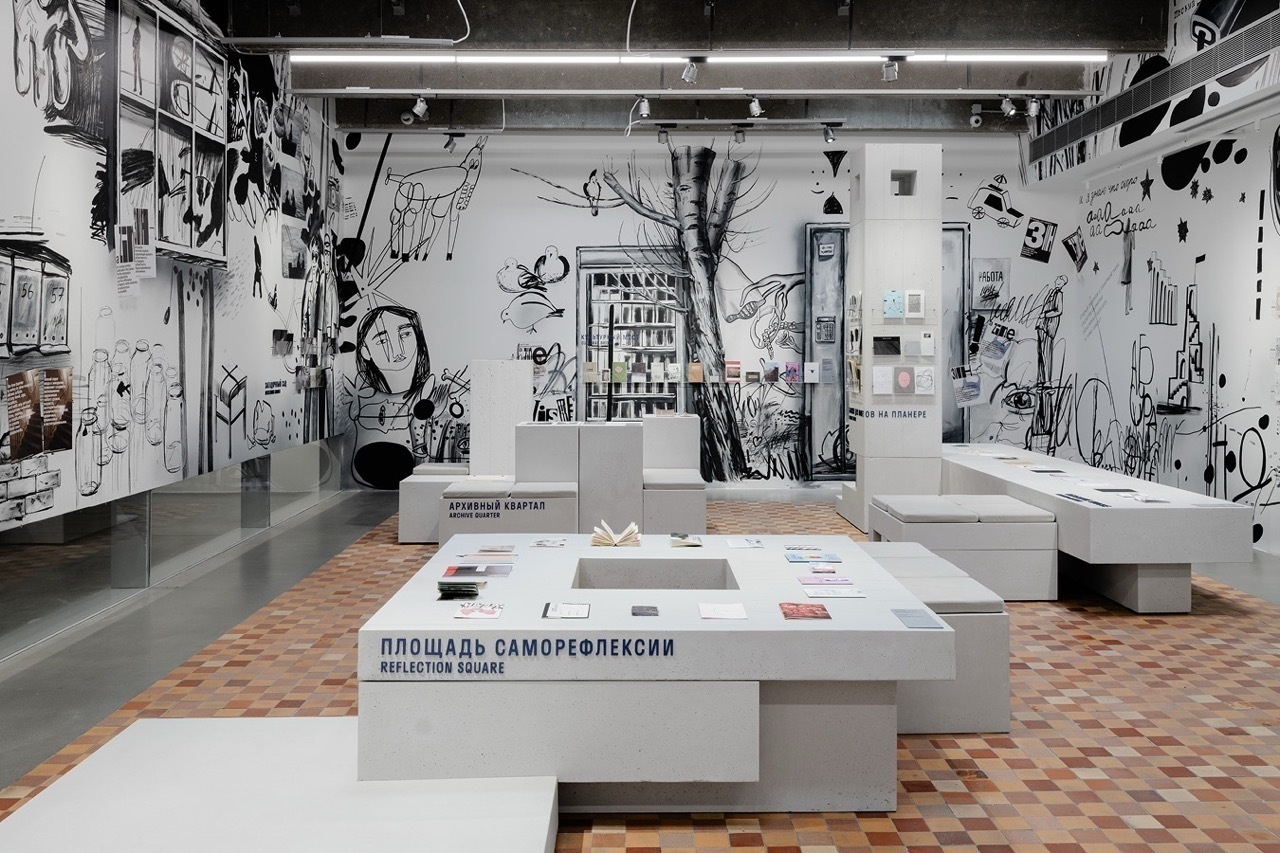
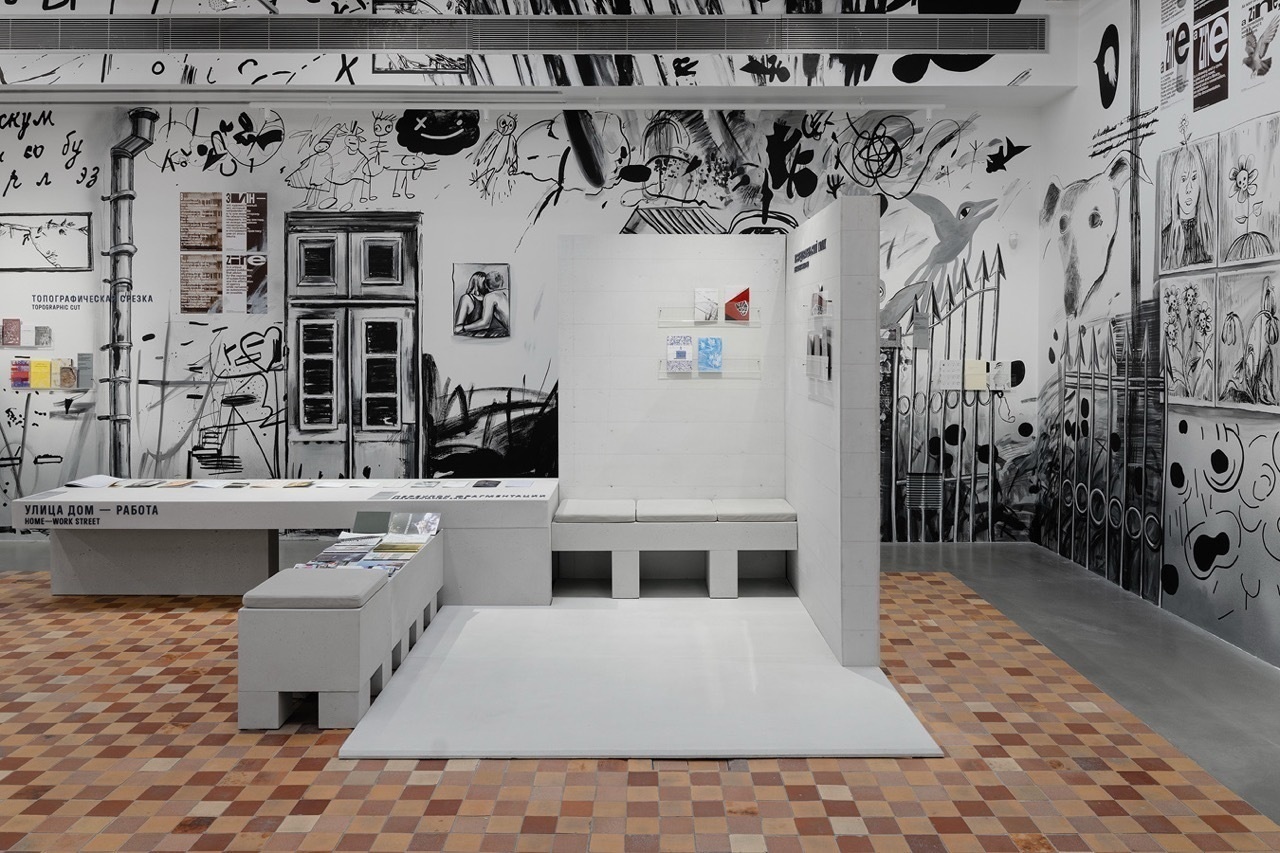
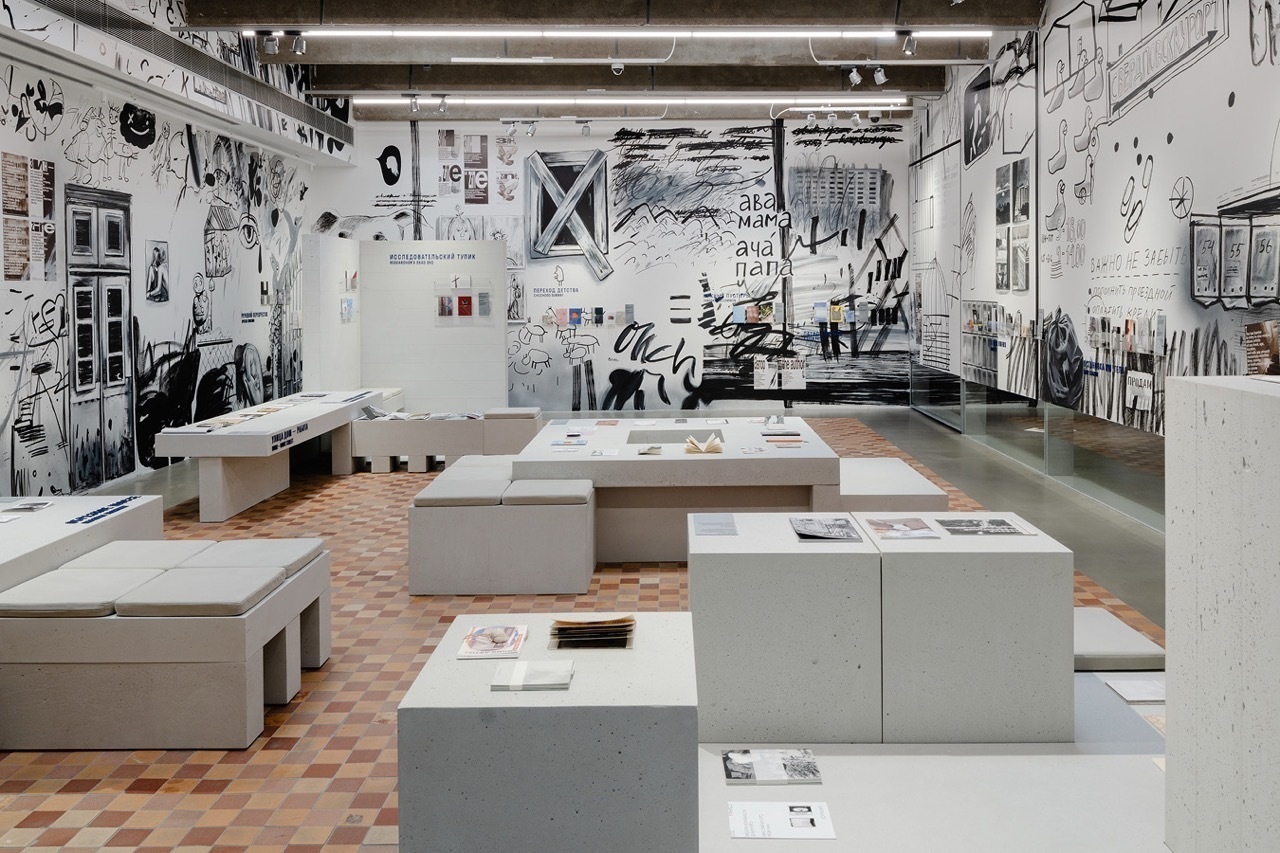
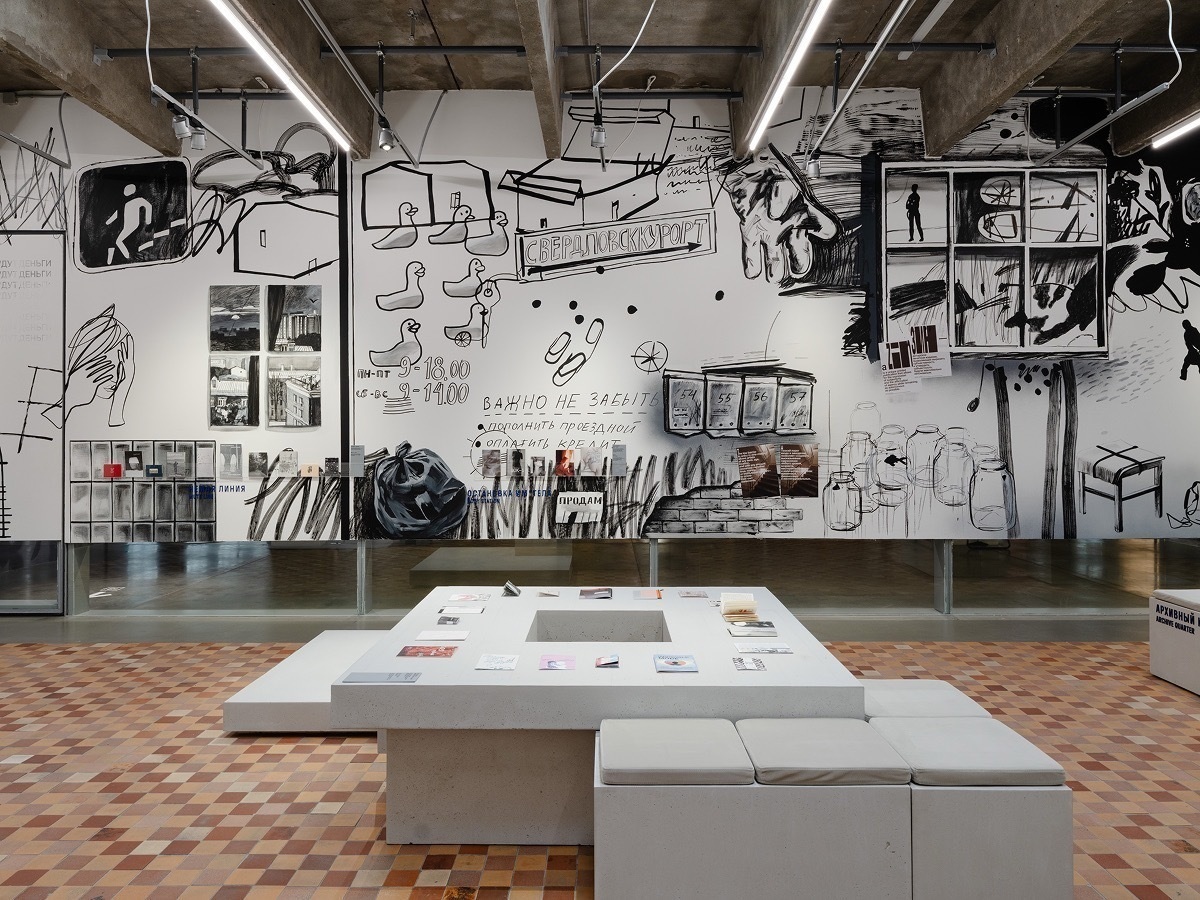
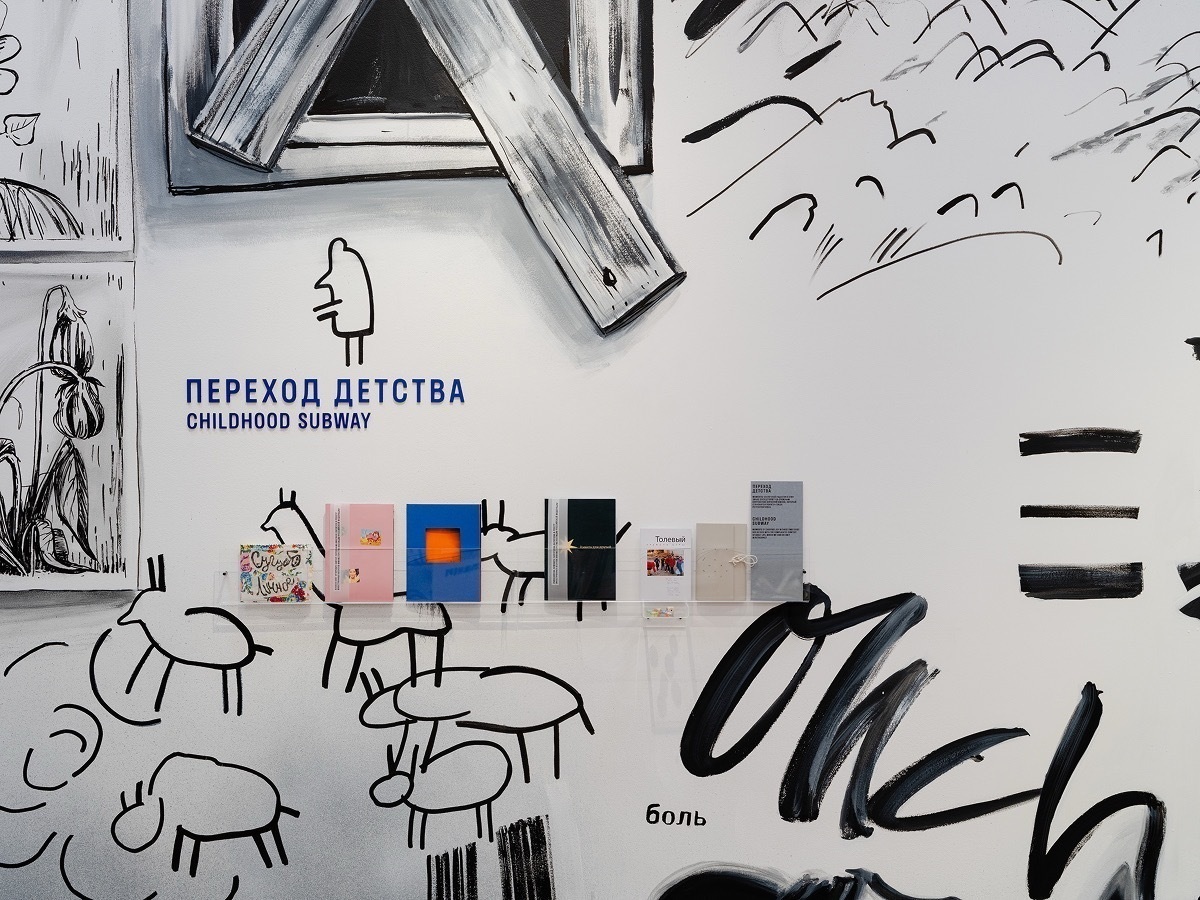
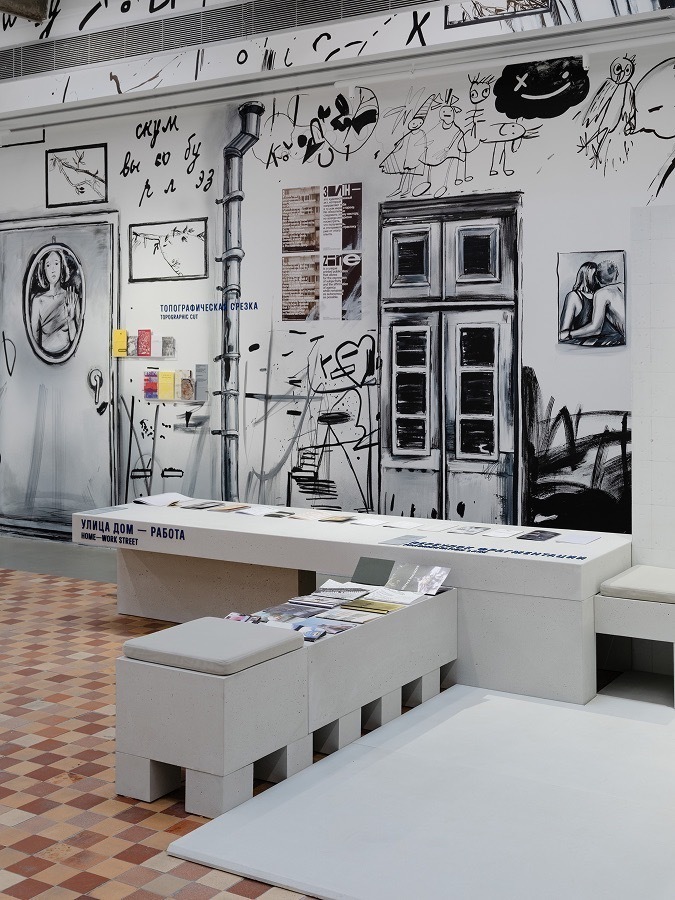
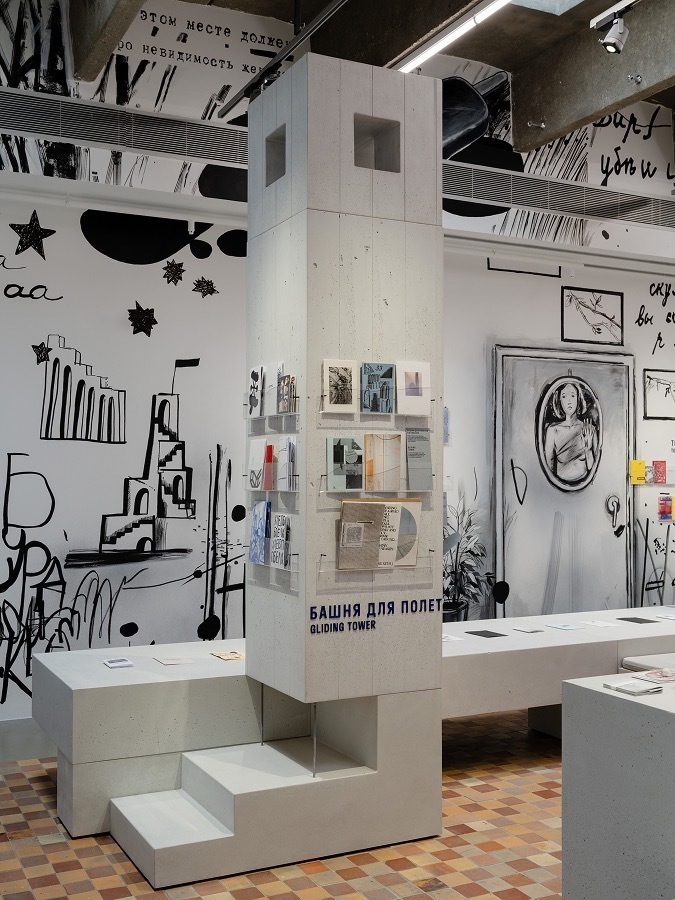
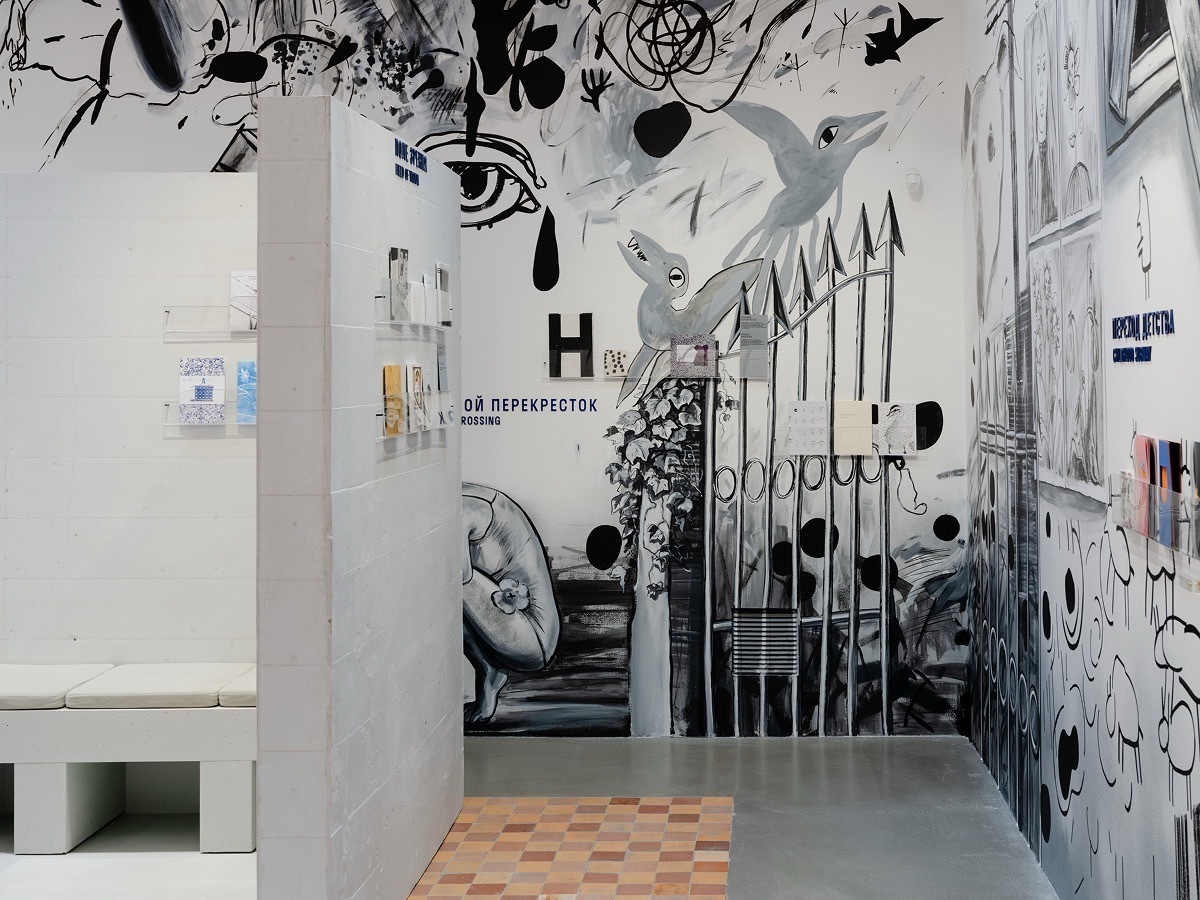
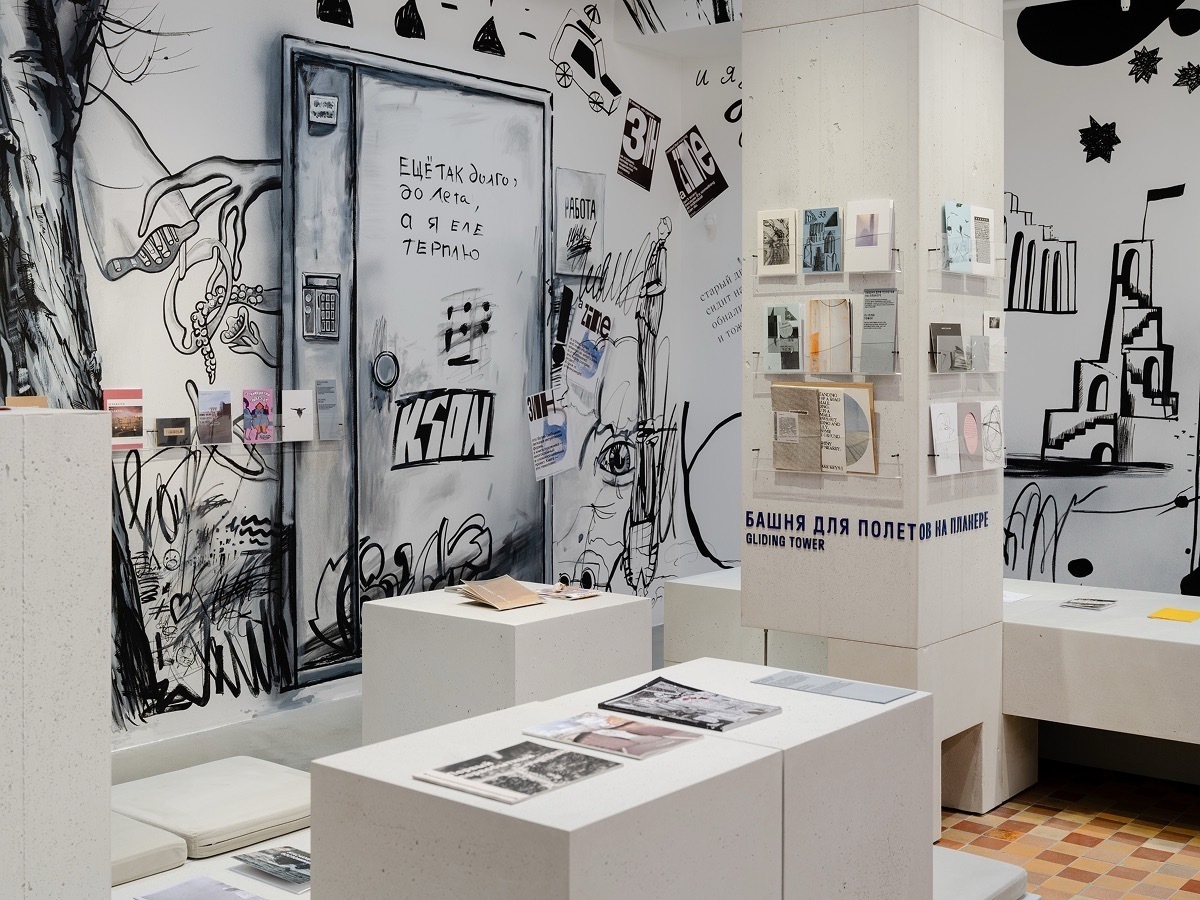
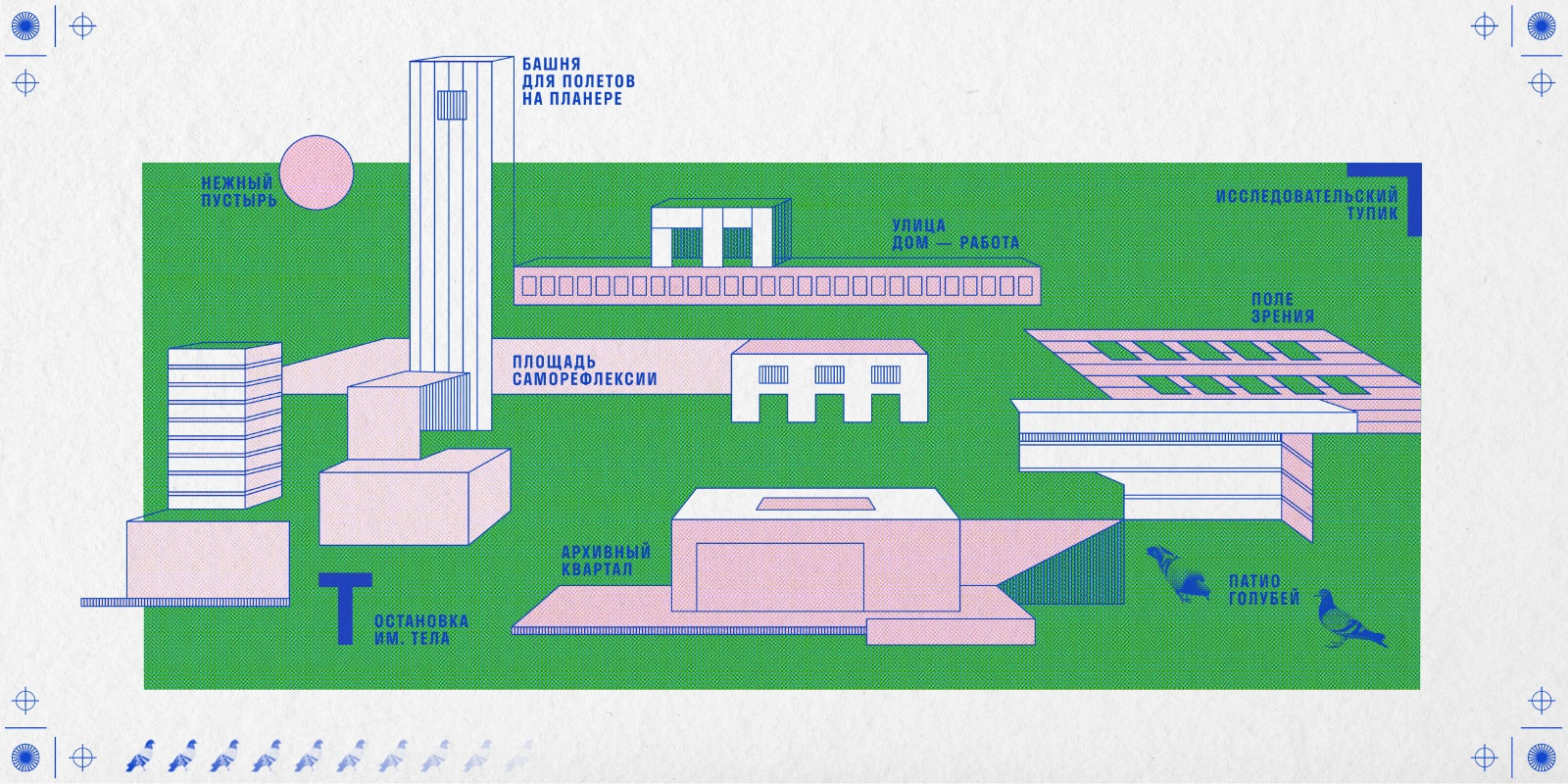
Their connection with the city is what inspired The Space of Print, which brings together over two hundred zines by Russian authors from the collection of Garage Library, published over the past ten years. Elements of the cityscape—the street, the bridge, the yard—mark selections of zines with similar subject matter. The scale of each space reflects the representation of each topic in the collection: reflective zines fill up a square, whereas some research subjects are limited to a lane.
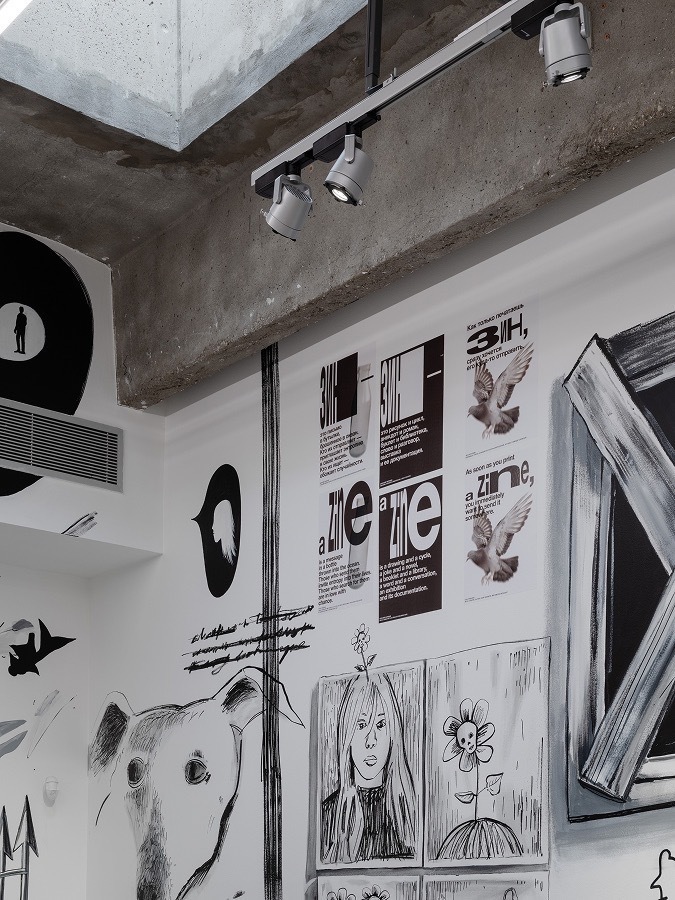
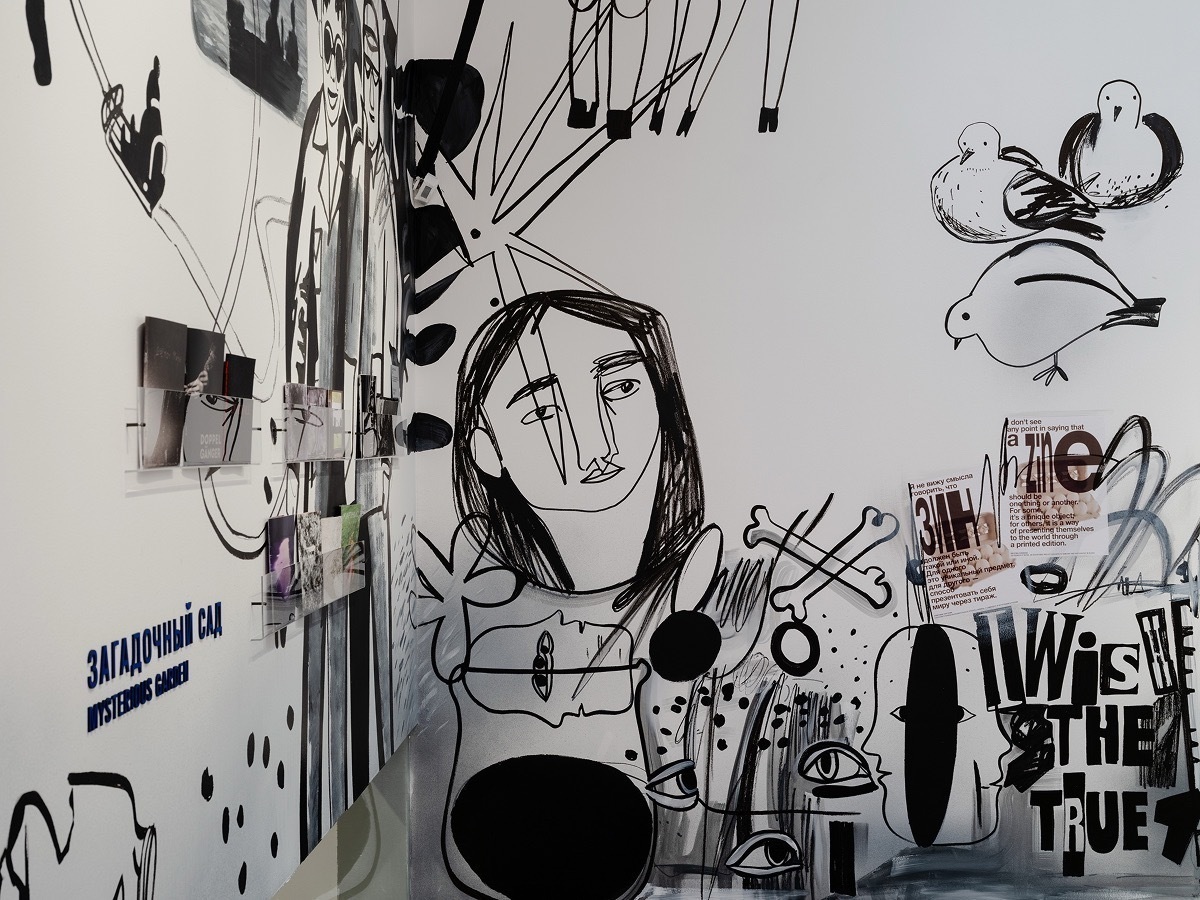
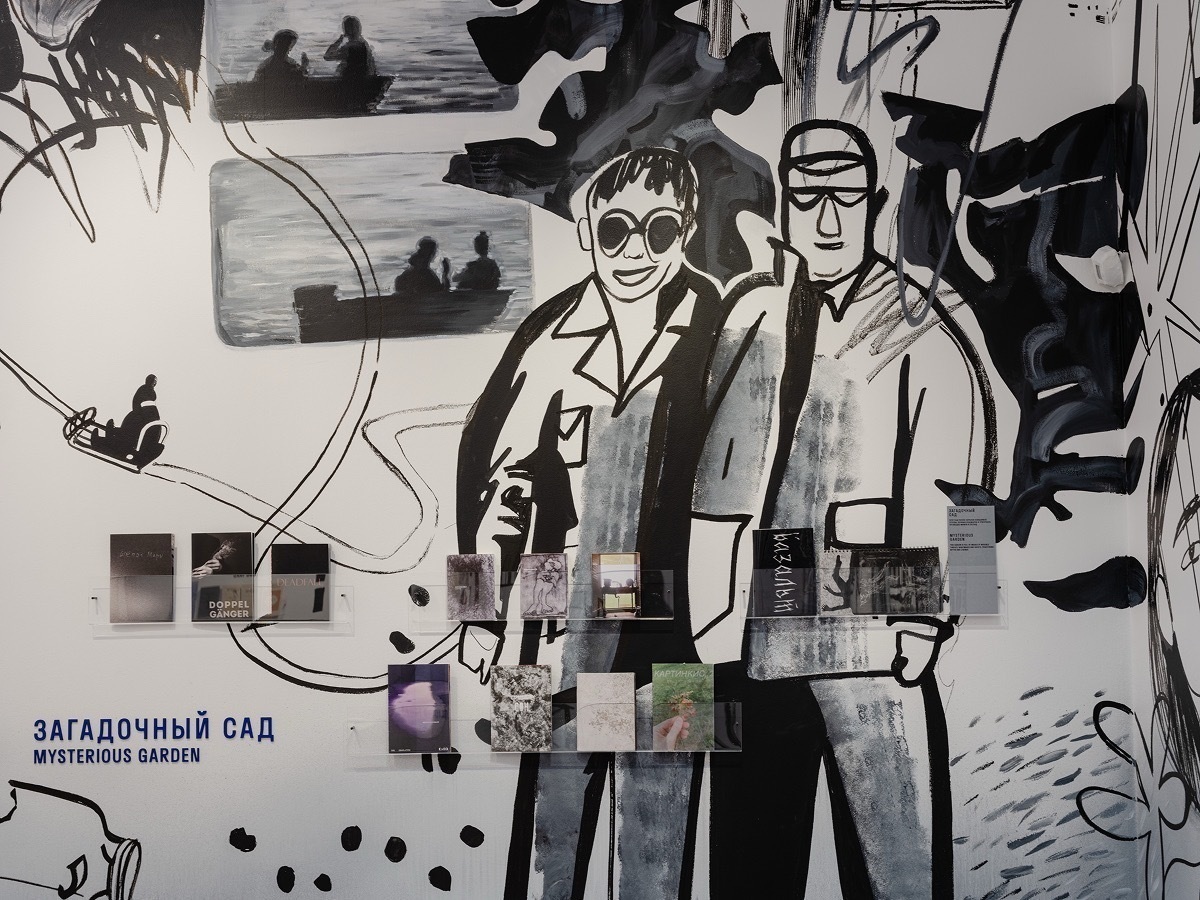
Artist Yanina Boldyreva—one of the pioneers of independent publishing and the organizer of the zine culture festival Koreshki in Novosibirsk—has created a mural where elements of the cityscape intermingle with her visual interpretations of the publications featured in the exhibition. Her work acts as a spatial zine representing an imaginary city of print, where the realities of many zines come together. Posters glued over the mural feature quotes from zine culture enthusiasts, who agree over some things and disagree over others.
Zines are extremely subjective: they tell personal stories and capture everyday life. German phenomenologist Bernhard Waldenfels described the everyday as “the place of exchange of opinions as well as the very act of exchange.” Printing practices capture the essence of the everyday, being instances of interaction and also providing a space for it. They expand the context of contemporary art and form a unique archive of the present.