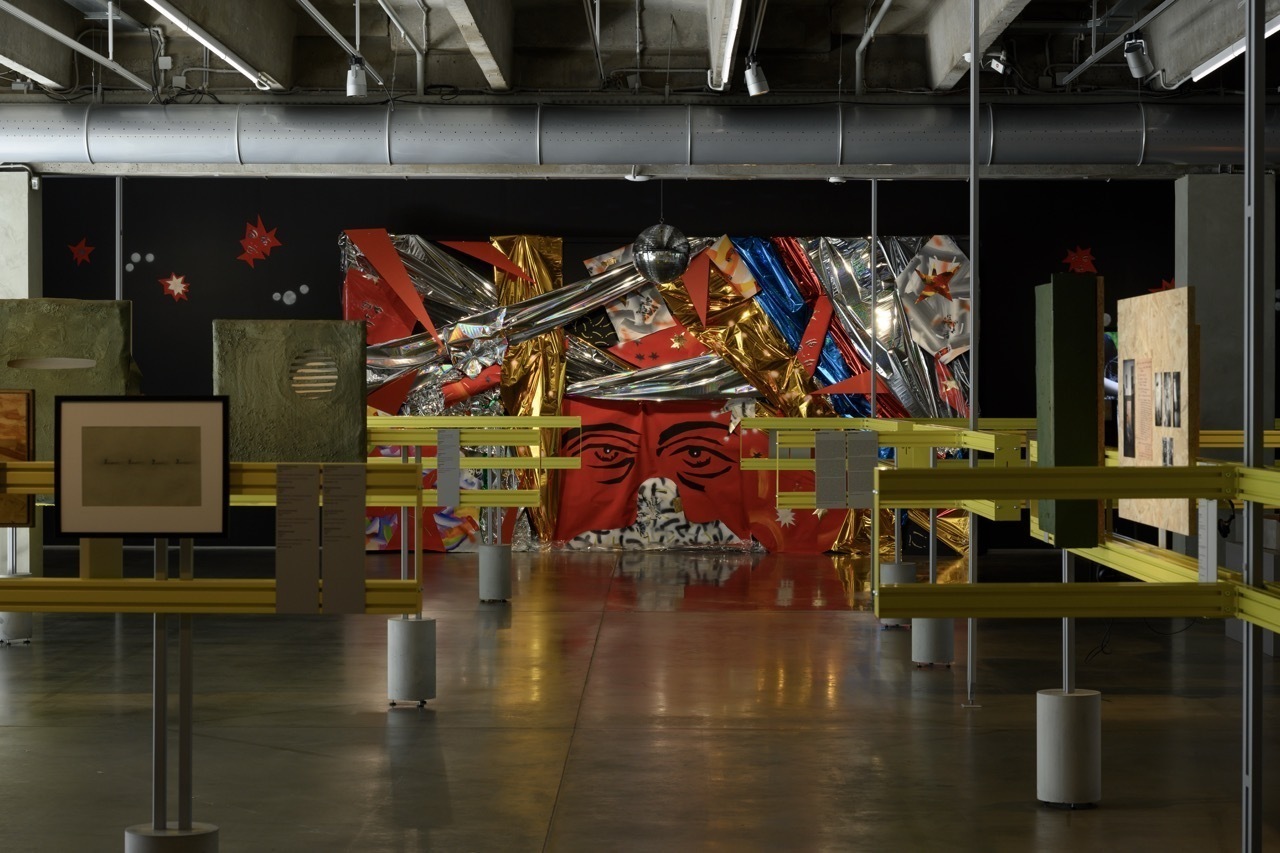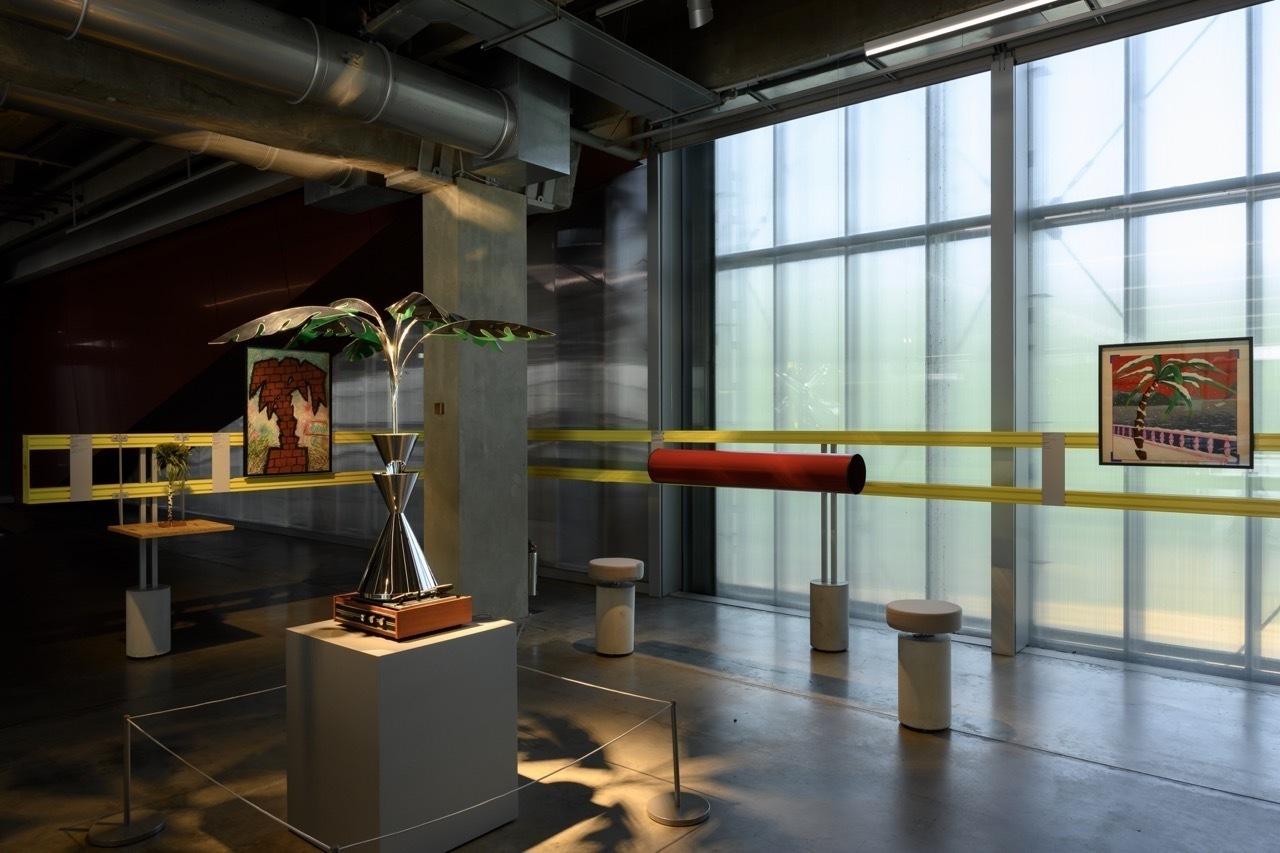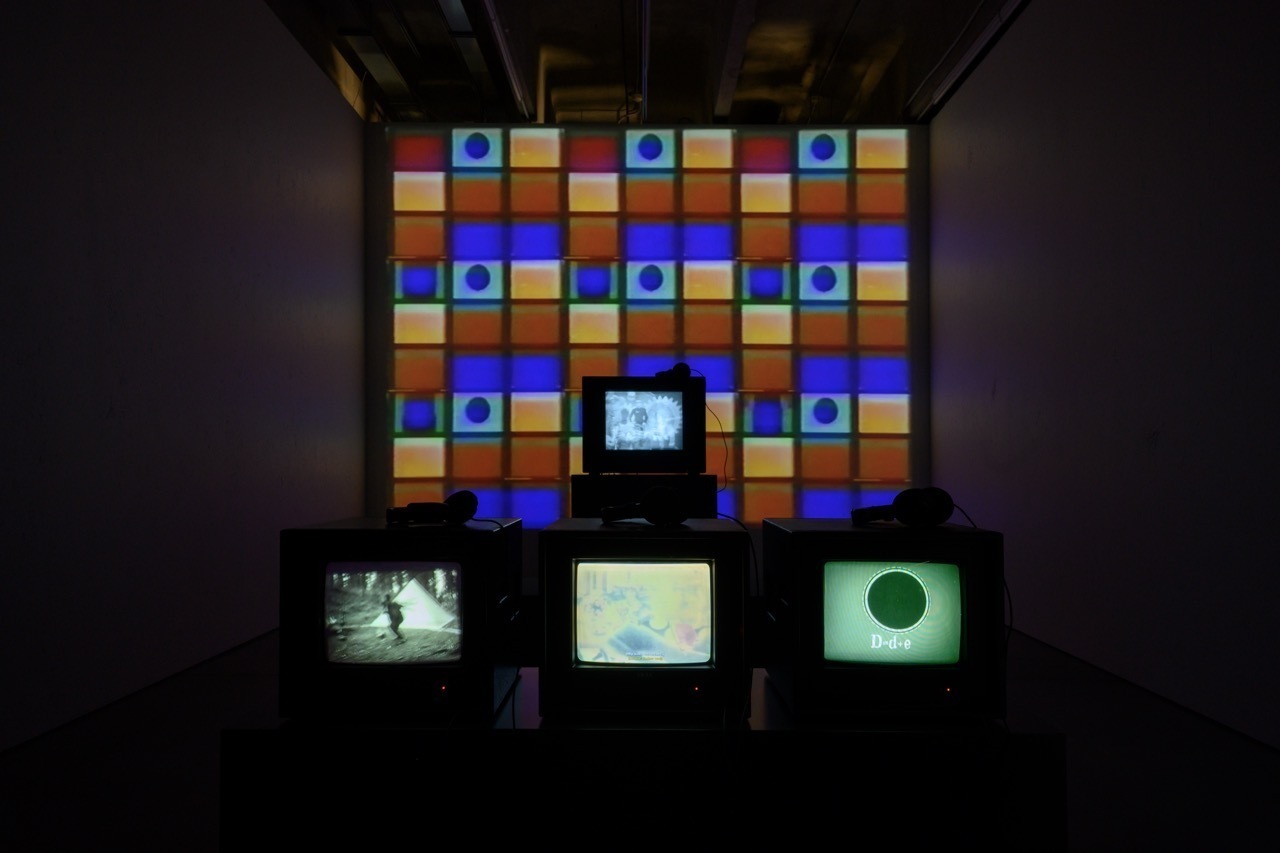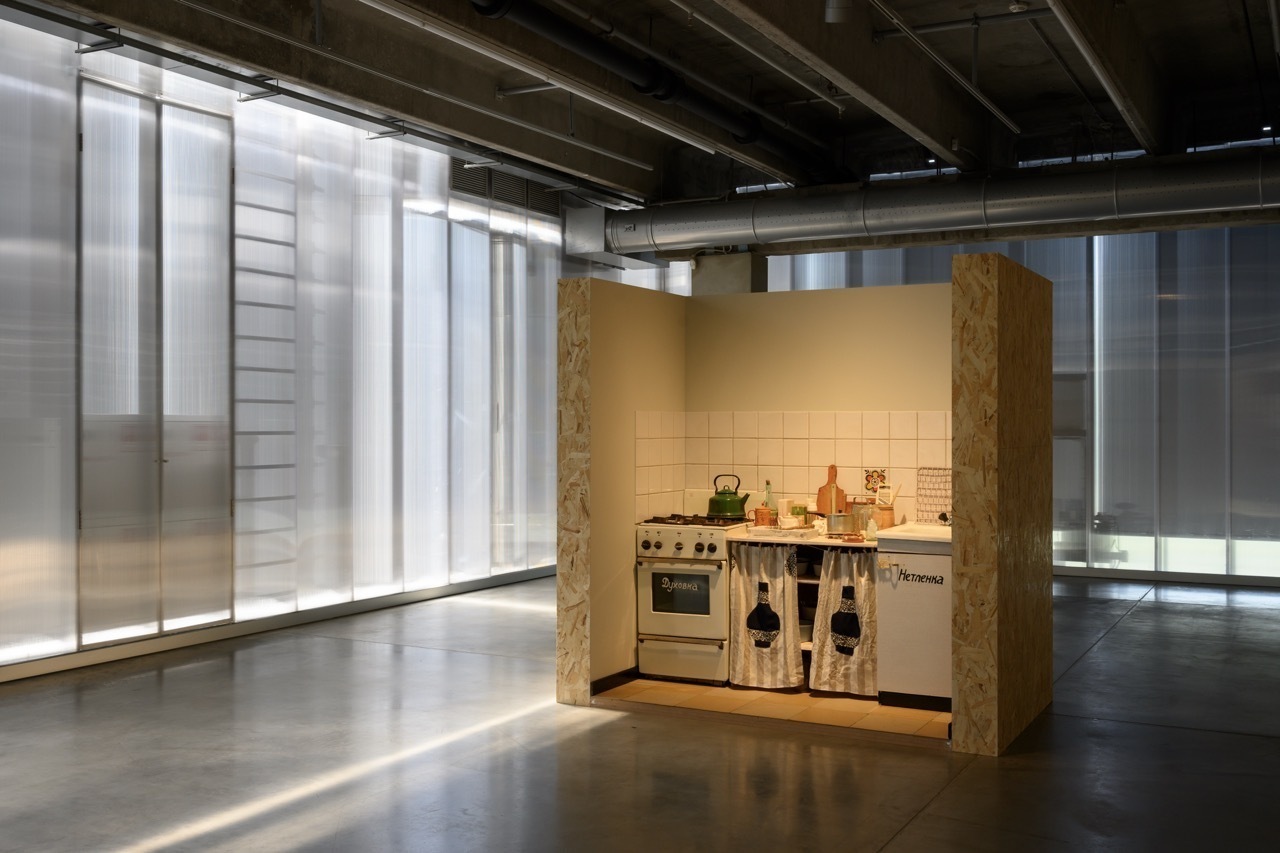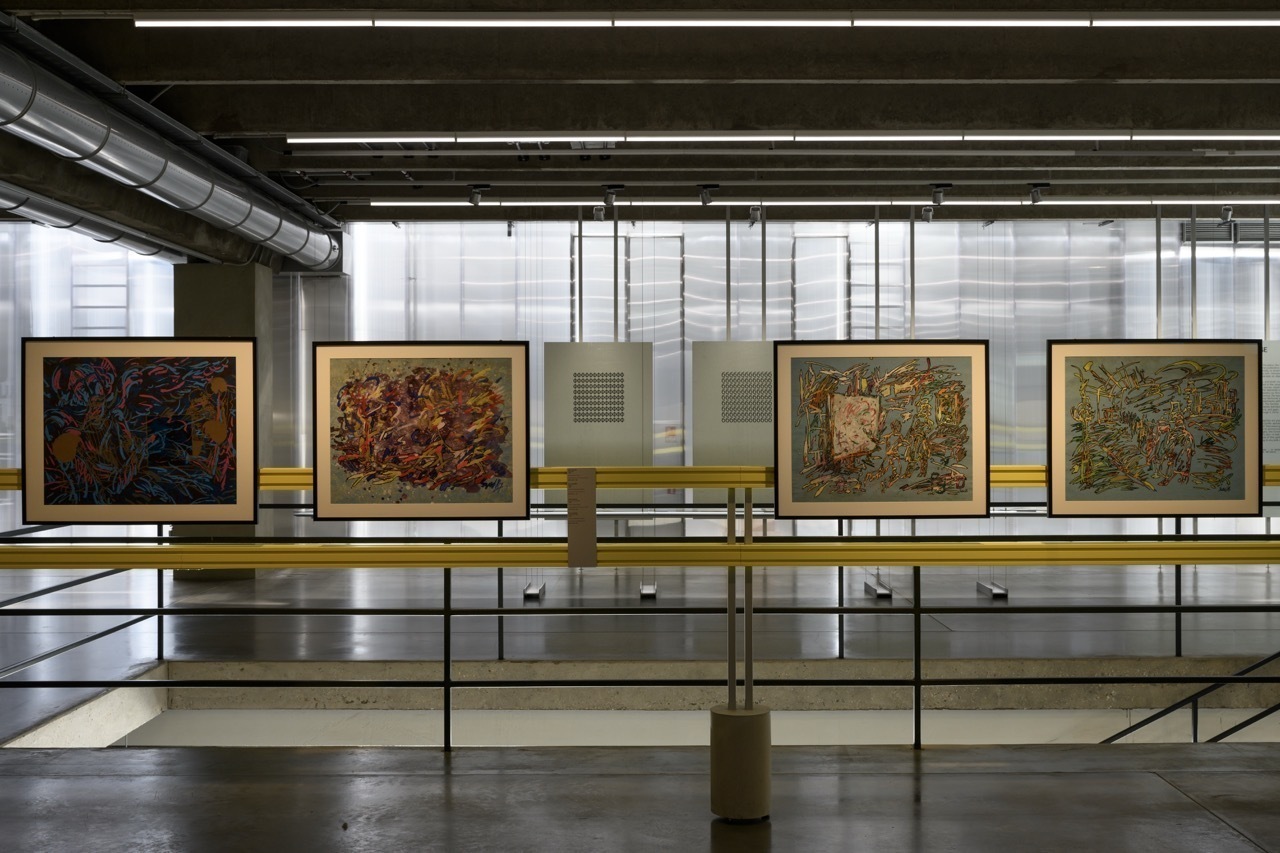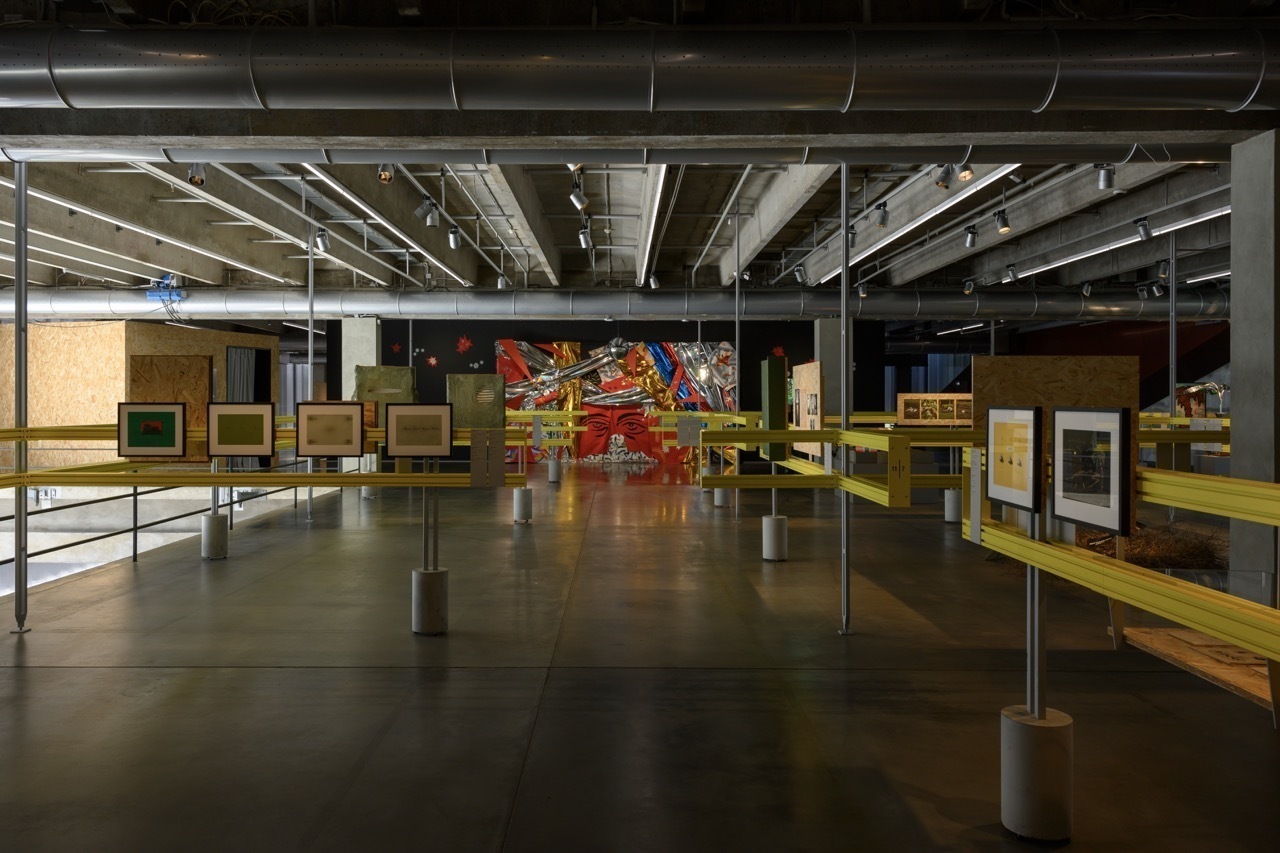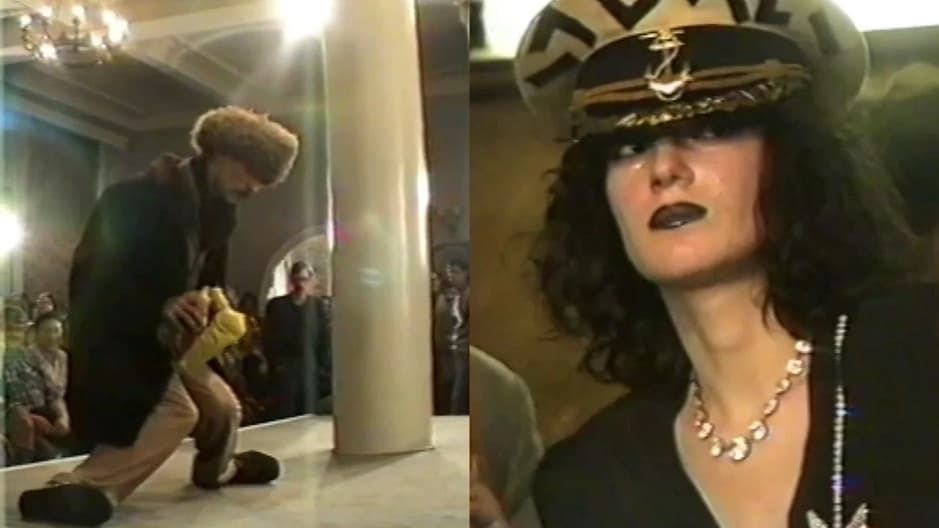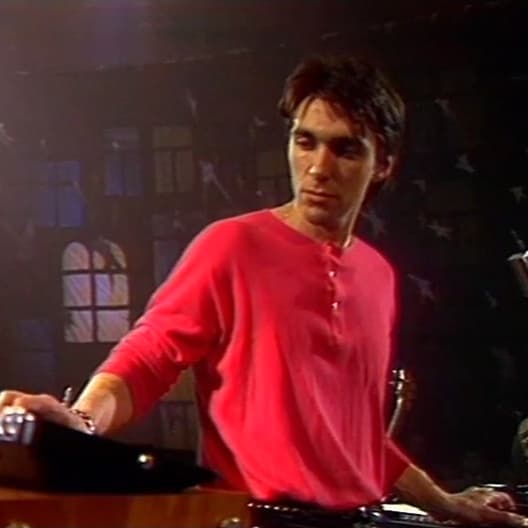
The project Art on the 1980s Wavelength explores the close connections between art and mass culture—television, film, rock music, and pop culture—in the late Soviet era, where various creative communities, including artists, musicians, and filmmaker, found themselves on the same wavelength and together formed the art environment. Drawing on the idea of “the long 1980s, ” the project covers a period that extending beyond the actual decade: from the mid-1970s to the early 1990s.
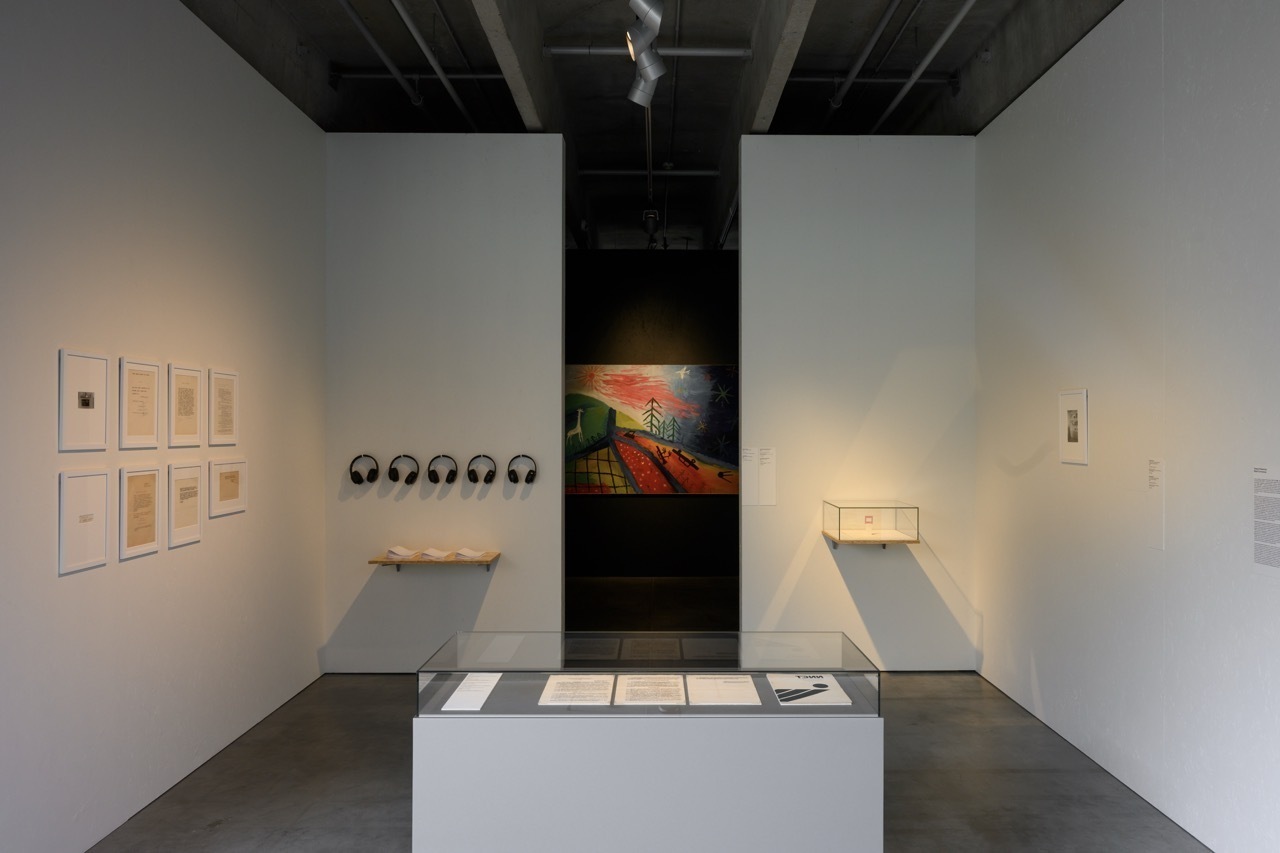
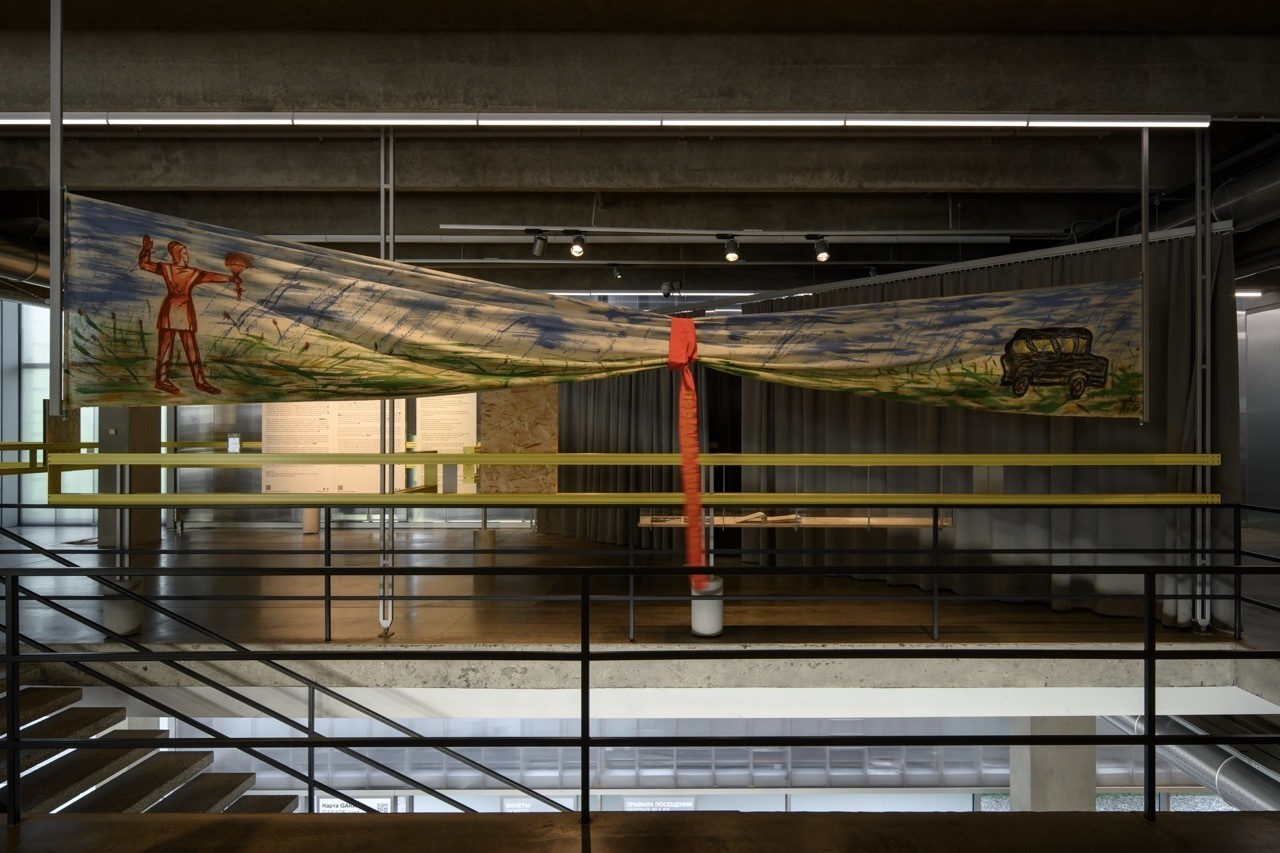
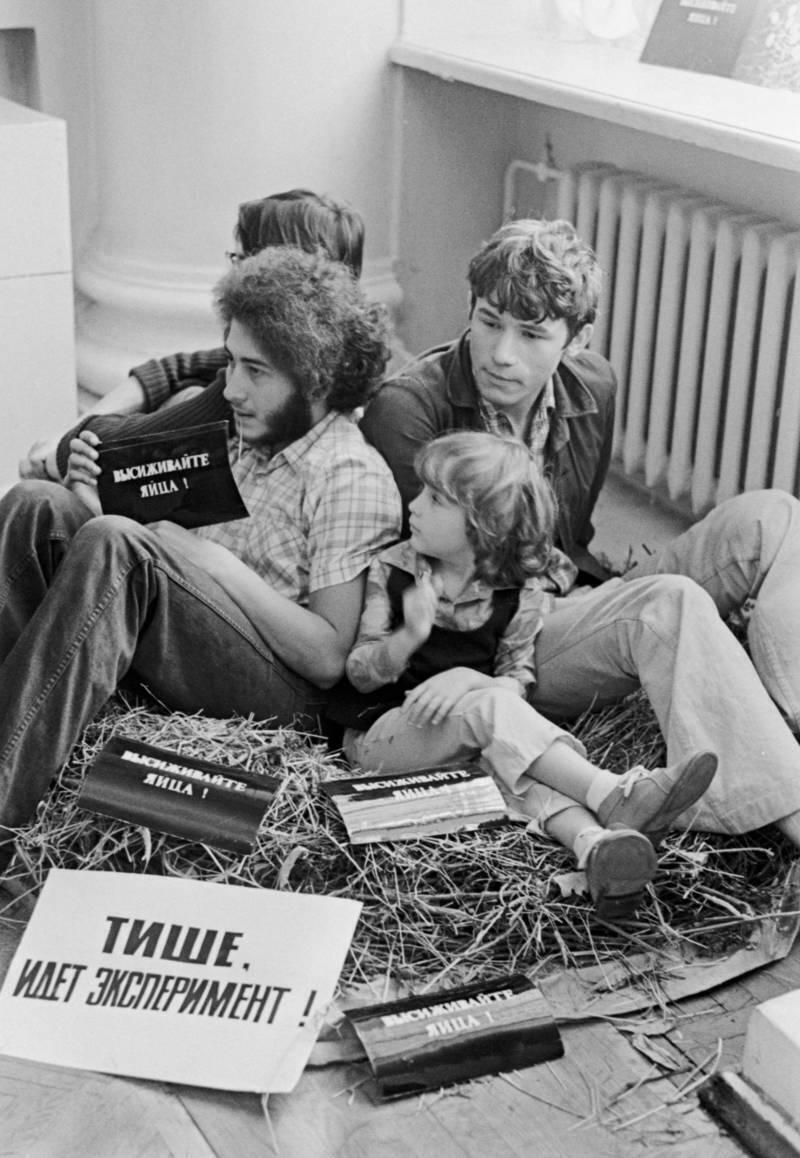
The exhibition opens with a reconstruction of the action Hatching Spirit (1975) by Gennady Donskoy, Mikhail Roshal-Fyodorov, and Victor Skersis, which took place at the Exhibition of Works by Moscow Artists at the House of Culture Pavilion in VDNKh. It was the first time that artists showed a process-based work at an exhibition in the USSR, which partly determined direction of development of Russian contemporary in the decade that followed. It became mobile and interactive, and gradually synchronized with the development of art internationally.
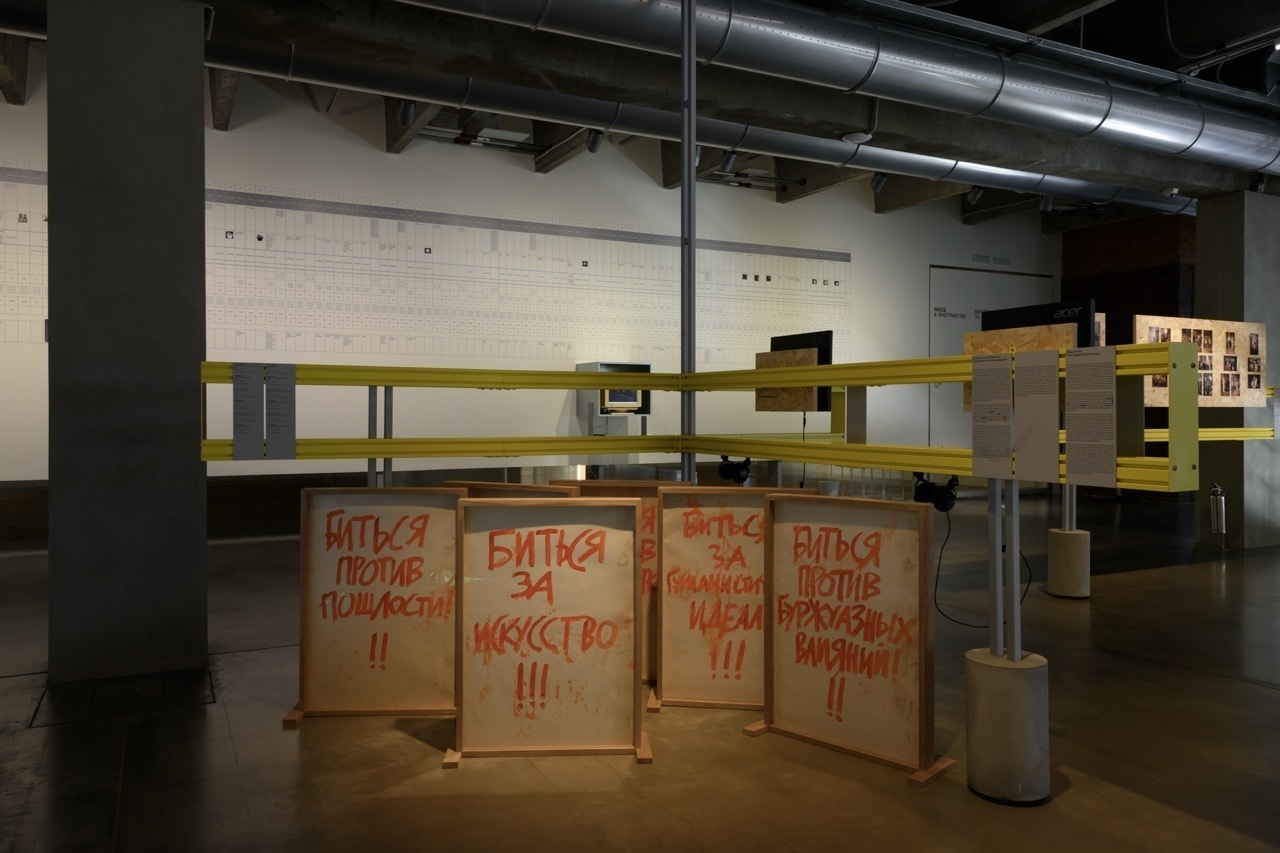
In the 1980s, underground art began emerging into public spaces. From apartment exhibitions, artists moved on to abandoned buildings, and organized the first squats, such as Detsky Sad (Kindergarten) in Khokhlovsky Lane and the Furmanny Lane Studios in Moscow or Assa Gallery in a condemned building on Voinova Street (now Shpalernaya) in Leningrad. And if in 1982, at the first sanctioned exhibition by the Society for Experimental Visual Art (TEII) at the Kirov Palace of Culture in Leningrad, Timur Novikov and Ivan Sotnikov’s provocative Zero Object still caused a scandal, in 1986, the 17th Young Art Exhibition in Moscow put official and underground art on par, and the street action Bitsa for Art, Or Art Against Commerce in the same year confirmed that “the time of bulldozers was over.”
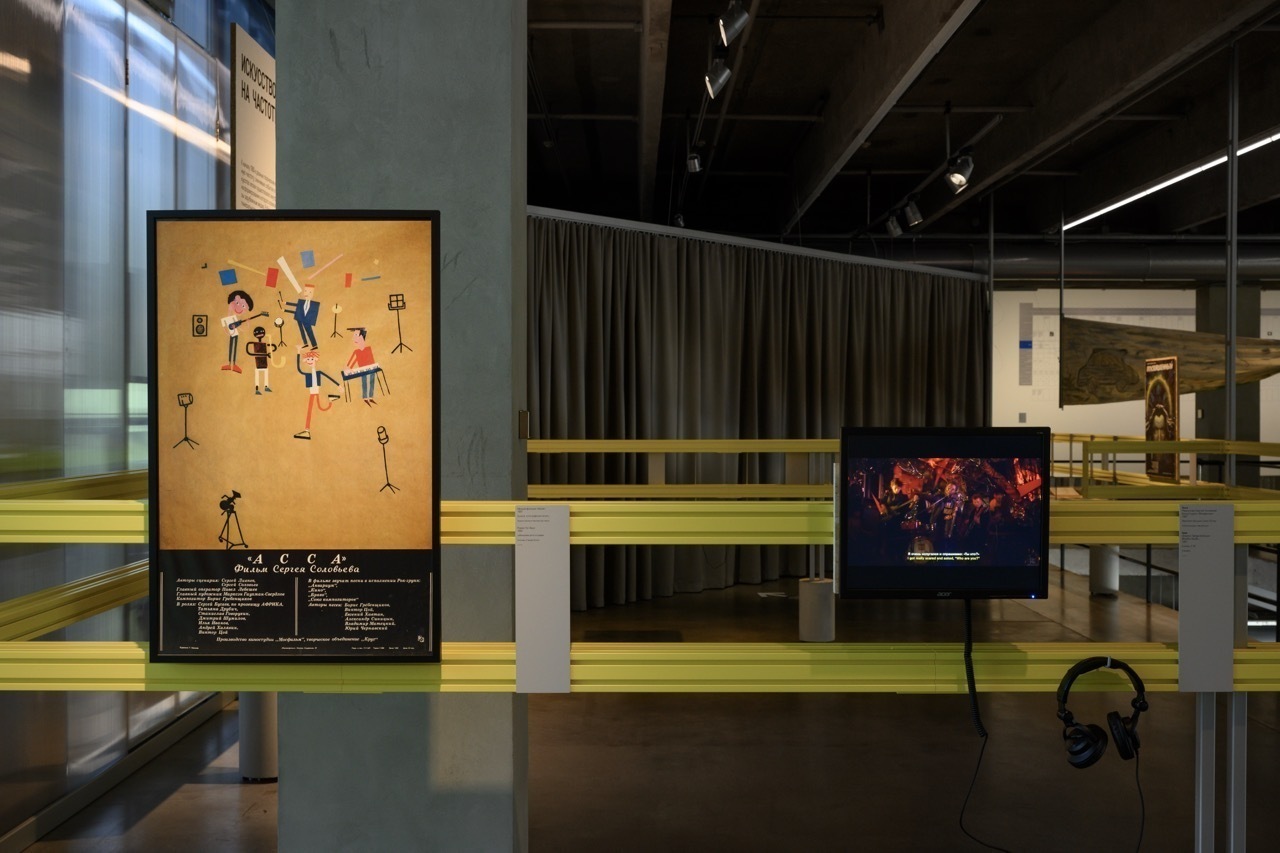
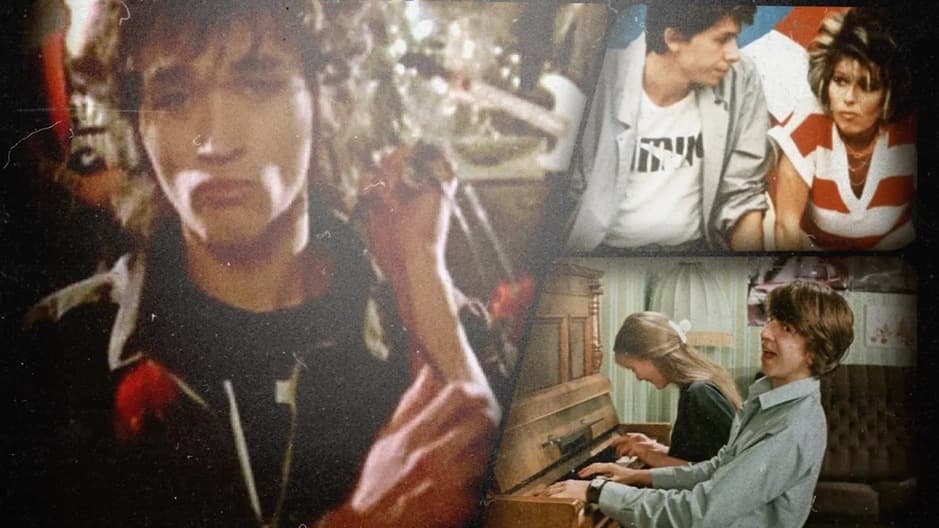
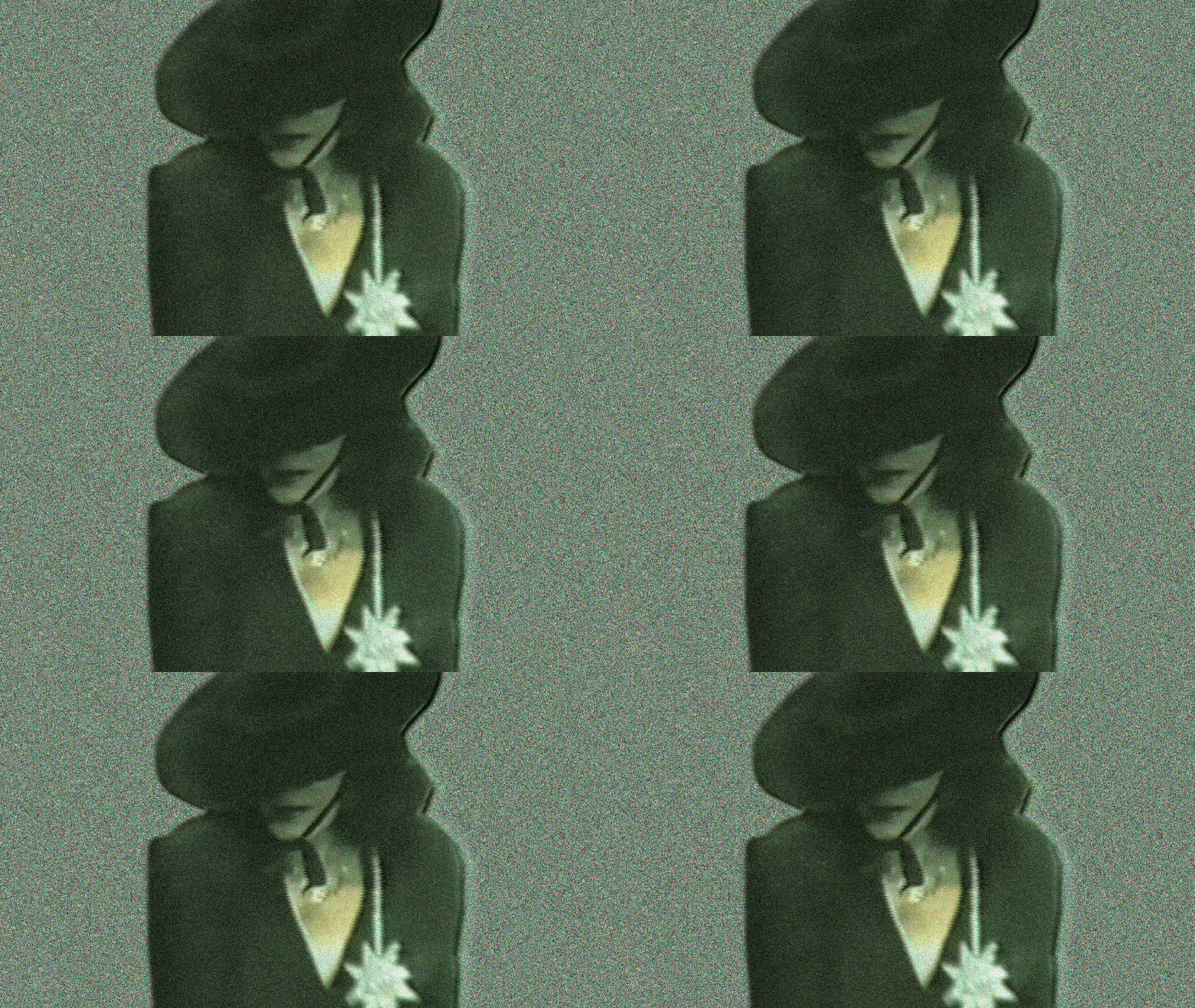
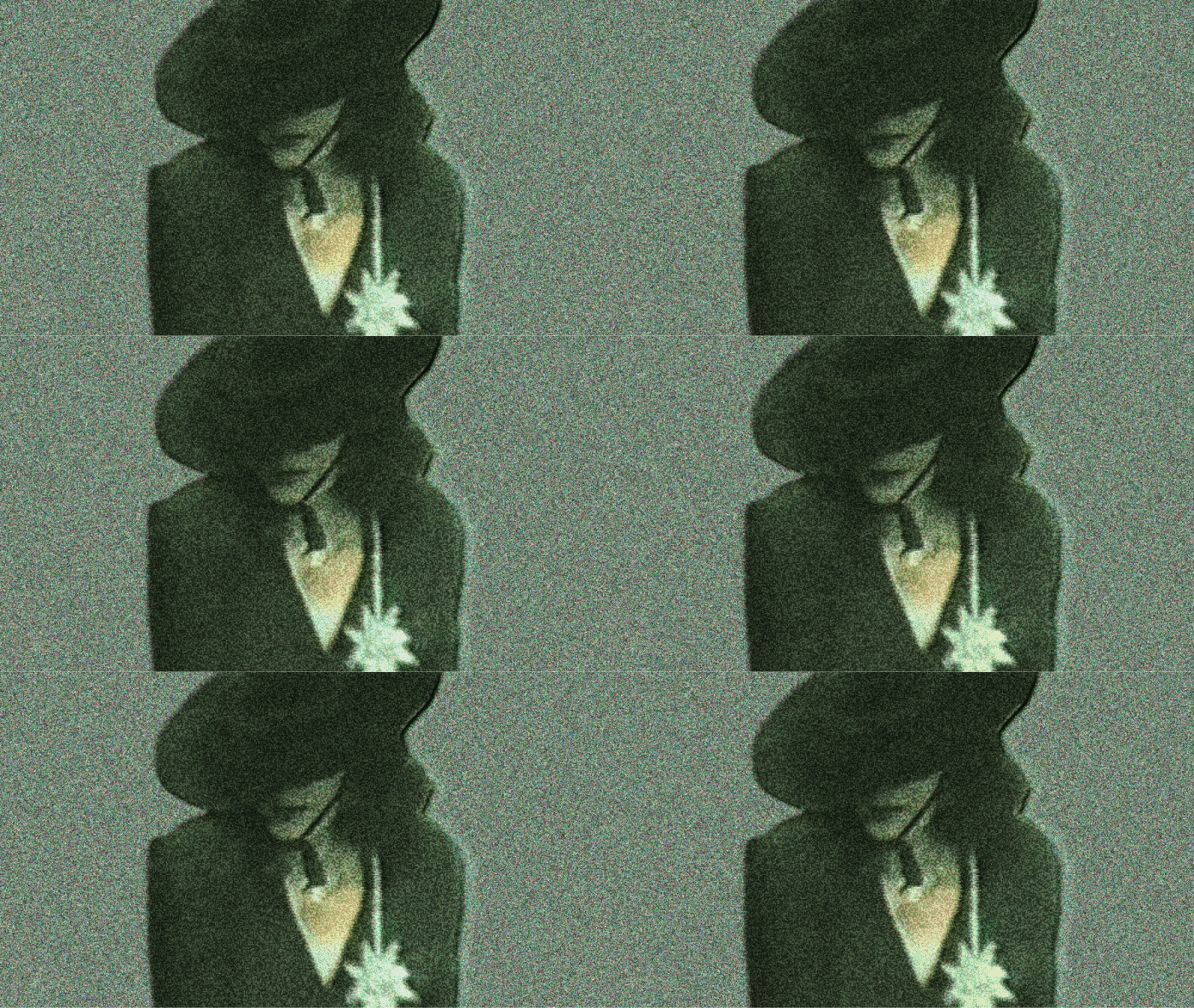
These developments were felt far beyond exhibition spaces. One symbol of the era was Sergei Solovyov’s film Assa, which brought together music, film, and the new art and culture. It marked a break with the “tradition of the fathers” and the emergence of a new generation. A parallel film scene was forming in Moscow, with artists such as Igor and Gleb Aleynikov; experiments with film became part of music videos by artists such as the Leningrad-based New Composers.
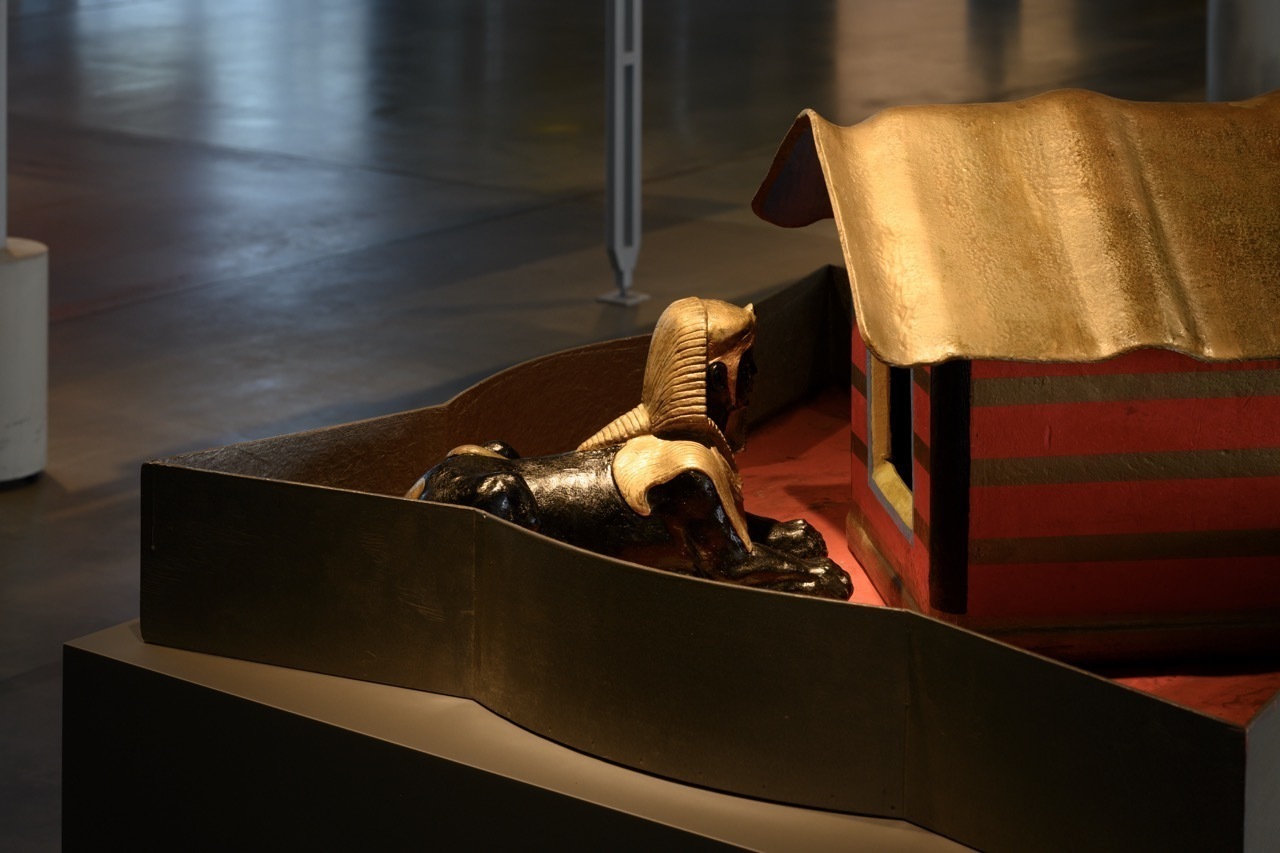
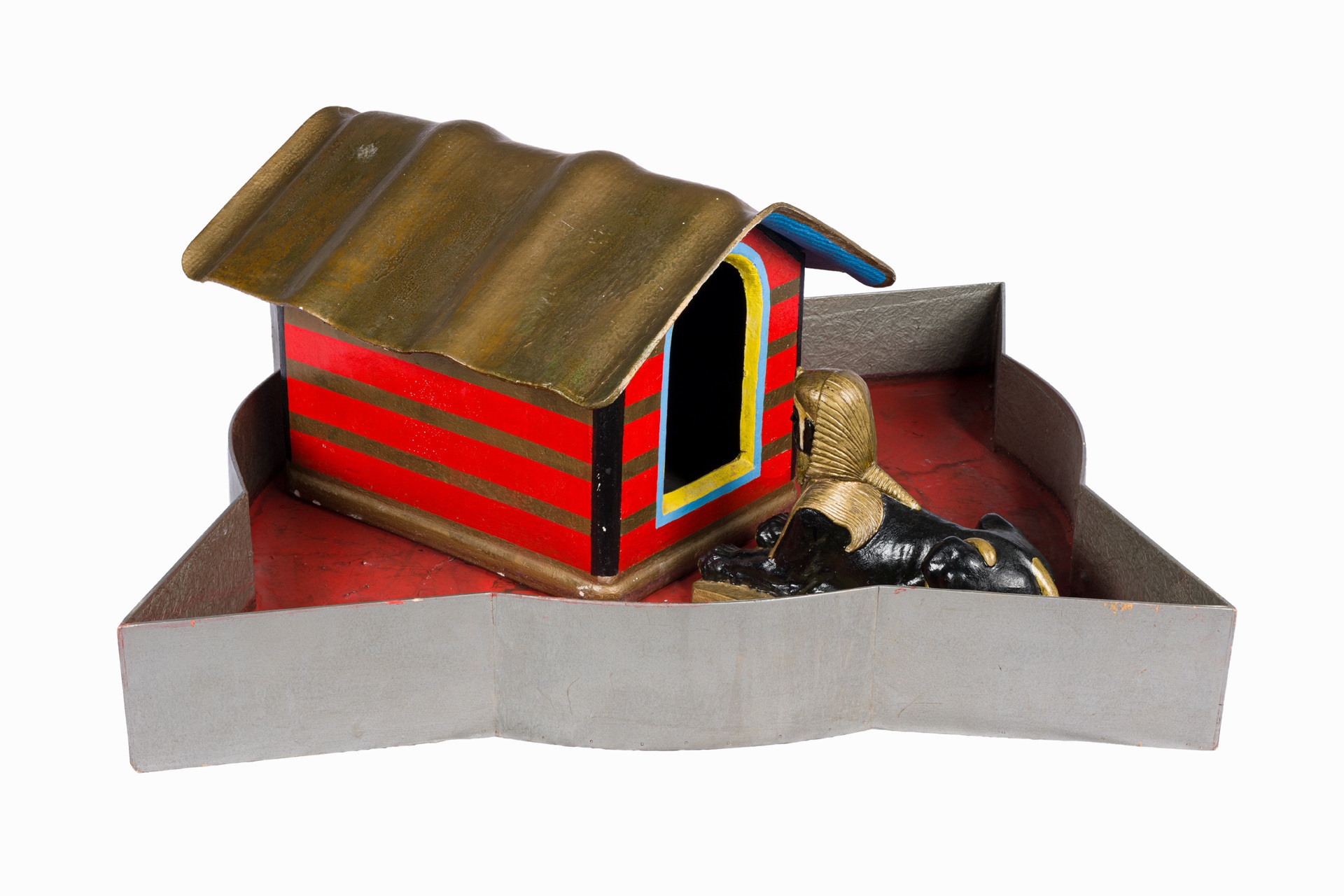
The exhibition features works from Garage Collection and others, as well as archive materials and documentation of key art events.
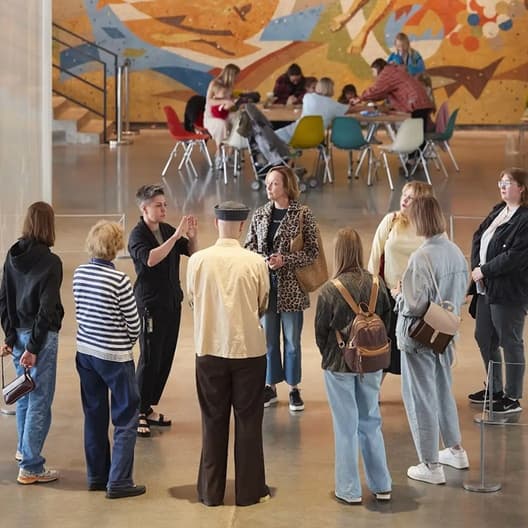
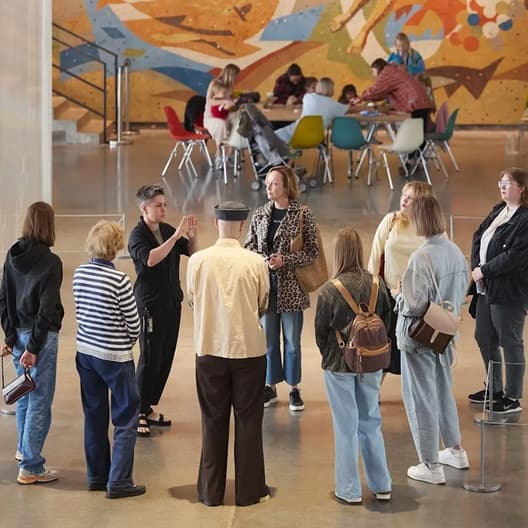
The project is accompanied by a public program that explores the art of the 1980s through five sections focusing on film, music, literature, fashion, and society. Meetings with artists, discussions with experts, and masterclasses with invited creators offer an opportunity to envisage the era as a living cultural process.