Jealousy and equality in the second part of Krzysztof Kieślowski’s famous trilogy.
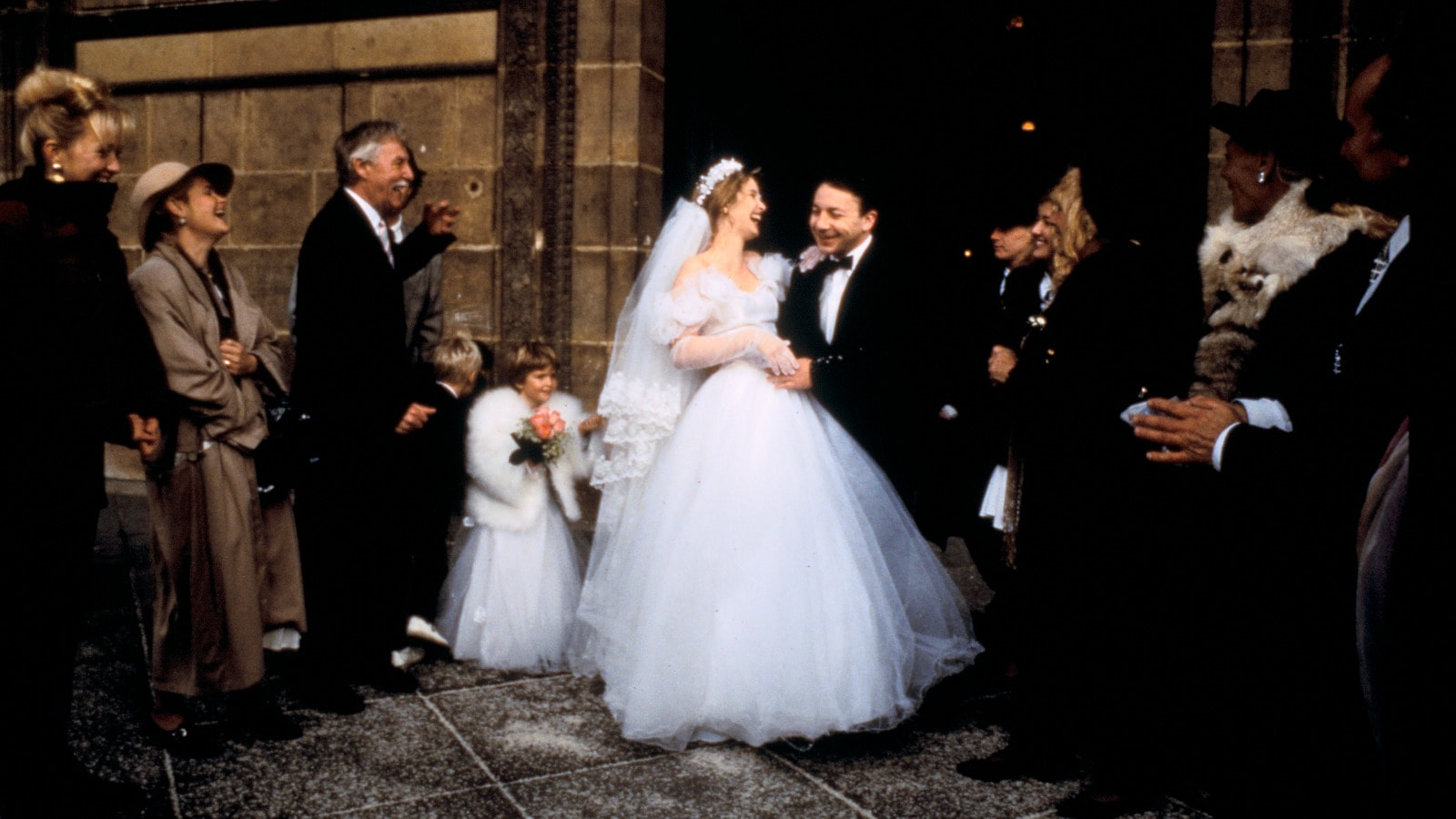
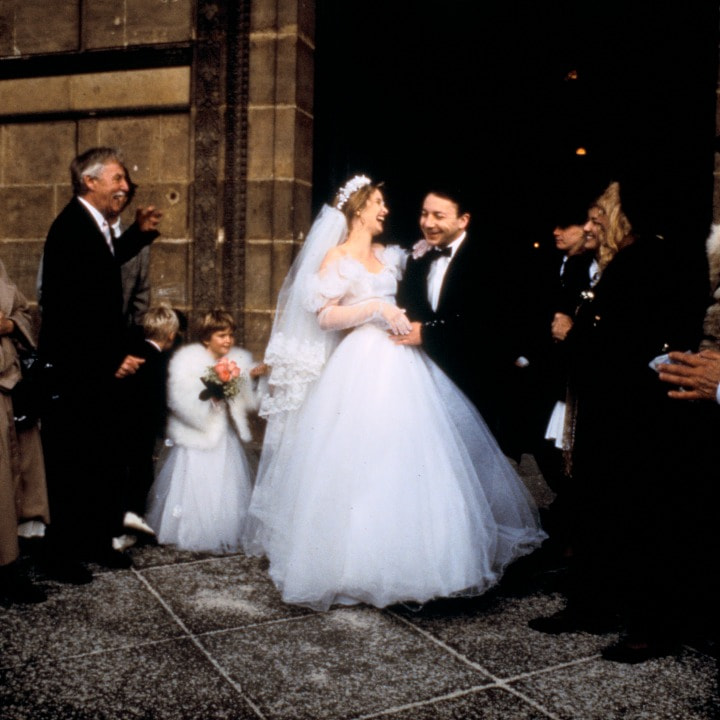
The wife of Polish barber Karol, Frenchwoman Dominique, files for divorce, as her husband is allegedly unable to consummate the marriage. Left without money or passport, Karol is forced to leave Paris for his home city Warsaw. He crosses the border hiding in a suitcase only to find out that his cherished Poland is not at all what he remembers after the reunification of Europe. Karol has to adapt to new capitalist realities and by any means return his wife, whose figure in a white wedding veil is haunting him. Dedicated to equality, the second part of the famous Three Colors trilogy brought director Krzysztof Kieślowski the Berlinale’s Silver Bear for Best Director.
White radically differs in intonation from Blue and Red that chronologically frame it. This is the so-called “remarriage comedy,” an action slapstick where spouses get divorced and flirt with others before returning to each other. The story of the loss of citizenship and property and the fragile united Europe is diluted by the comedic sensibility of the lead actors: the Frenchwoman Julie Delpy (Bad Blood) and the Pole Zbigniew Zamachowski, who had collaborated with Kieślowski on the tenth episode of the monumental Dekalog series. Karol's misadventures are accompanied by a tragicomic tango written by Zbigniew Preisner, author of the overwhelming oratorio for Blue.
If there is anything in common between the eccentric White and the sublime Blue and Red, it is the dreamy atmosphere. The story of Karol's hard path from rags to riches as much as his fantastical machinations and tricks derive as if from a fairy tale. Losing everything, including, apparently, sexual potency, in the beginning, the smart hero replaces his losses many times over, in which he is helped by another Pole immigrant, Mikołaj, somewhat a fairy godmother whom Karol accidentally meets in the subway when playing the comb instead of the harmonica. Even one of the characters’ resurrection in the finale is portrayed by Kieslowski not in the biblical vein of Dekalog, but rather with some loving mockery, revealing the Three Colors’ widest range of tonalities.
The film will be screened in French and Polish with Russian subtitles.
Three Colors: White
Dir. Krzysztof Kieślowski
France, Poland, Switzerland, 1994. 87 min. 18+