
One of the key documentary makers of the twentieth century, Joris Ivens made films for seven decades and across several continents. The time he liked remembering the least was the 1930s, which he spent in the USSR.
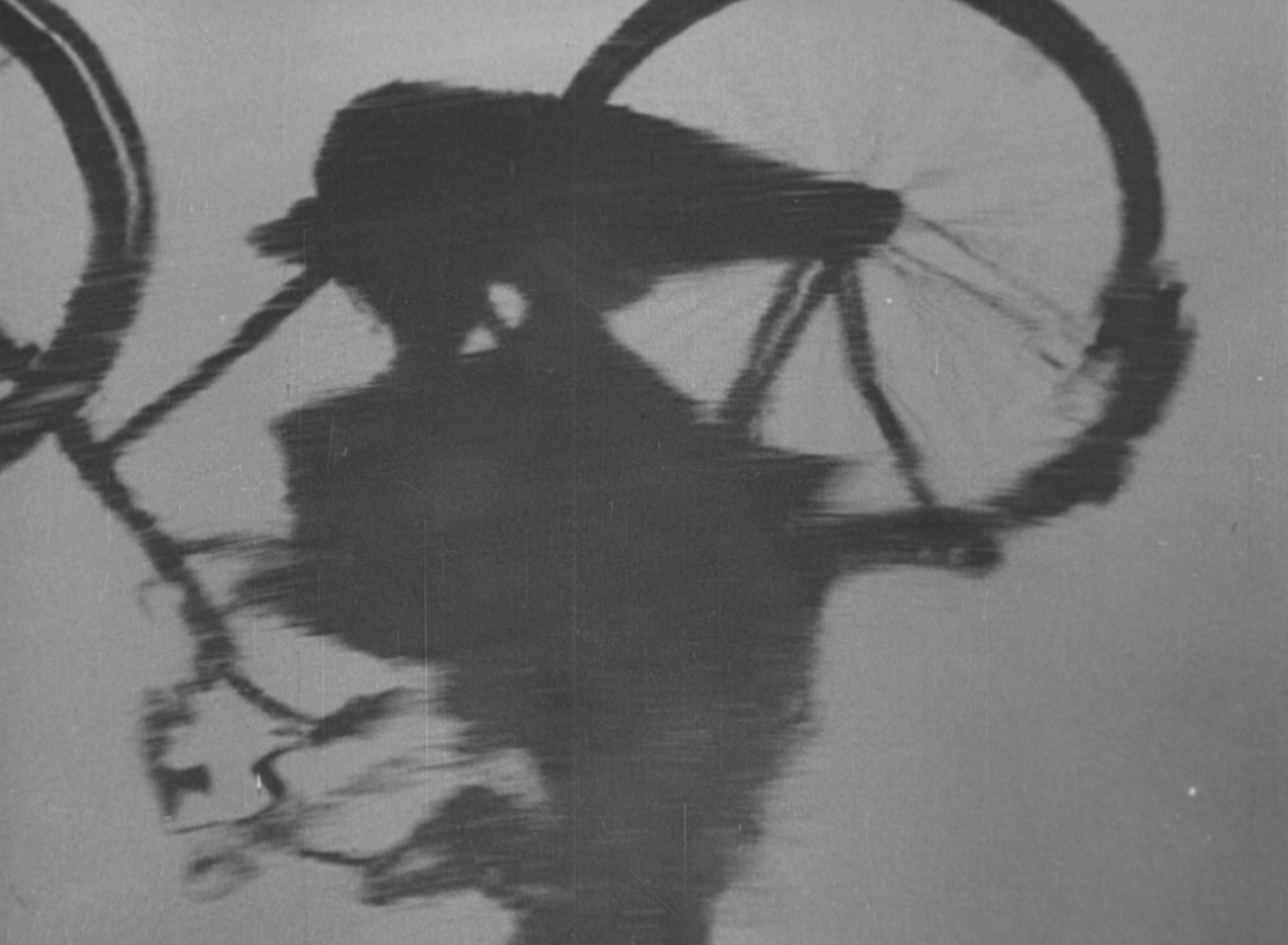
This screening and talk by Stanislav Dedinsky and are part of the public program for the VOKS kinema Research Laboratory.Why did a young filmmaker who had already received acclaim in Europe with his poetic shorts The Bridge (1928) and Rain (1929) decide to travel to the Soviet Union? What did he want to learn? How was the Soviet Society for Cultural Relations with Foreign Countries (VOKS) involved in his journey? What was he looking for in Magnitogorsk and what did he find there?
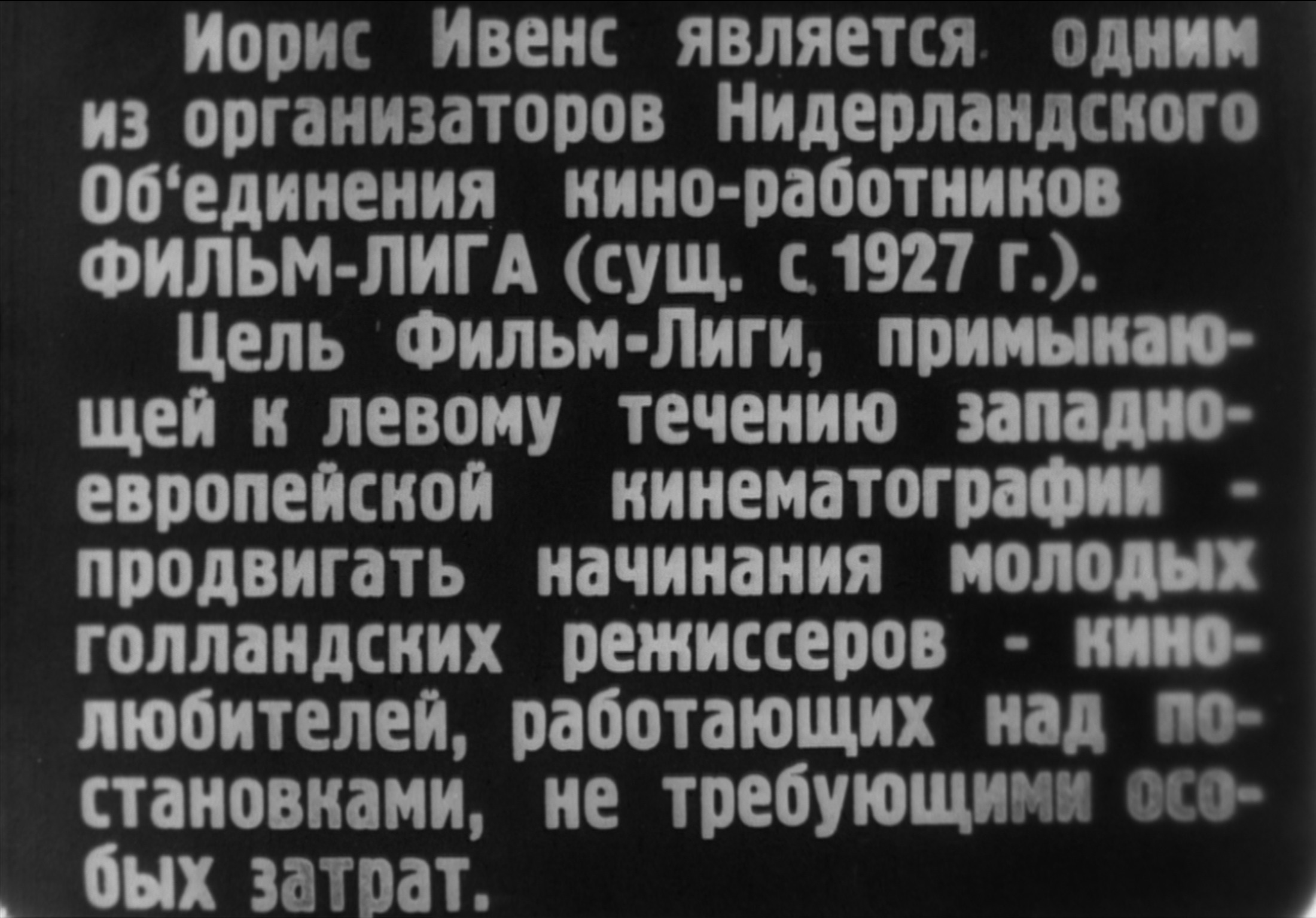
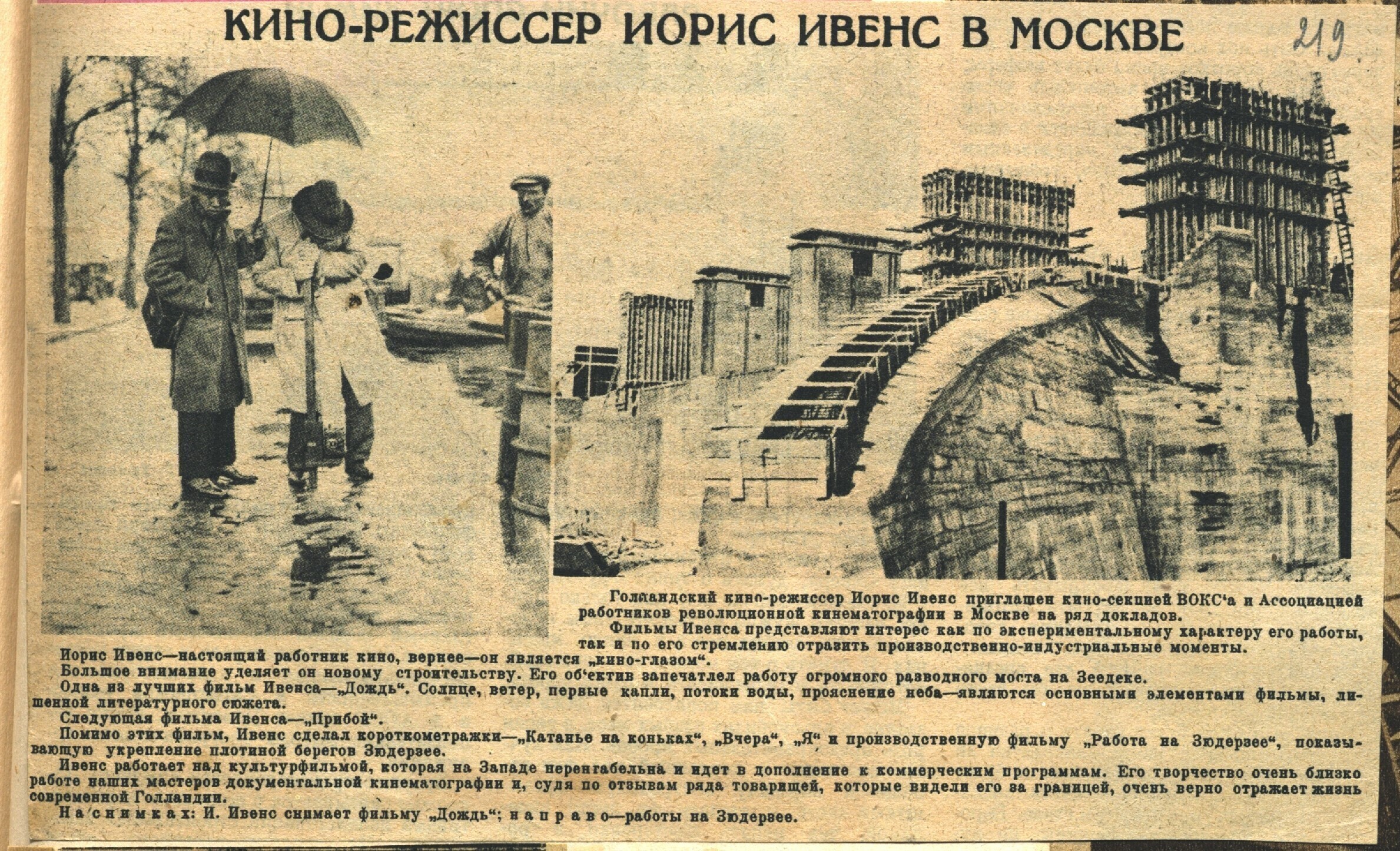
Unpublished archival documents reveal the paradoxical situation Ivens found himself in by the 1930s: he was seen as an avant-garde artist in the USSR and as a communist in Europe. VOKS materials shed light on his interest in industrial film and on various episodes from his journeys across the Soviet republics to film and show his works; his encounters with Vsevolod Pudovkin, Alexander Dovzhenko, and Mikhail Kolotozov; his meetings with film students, and the way Soviet workers received his films about Holland and the making of the documentary Song of Heroes (Komsomol) (1932) in Magnitogorsk.
The talk will be followed by a screening of Joris Ivens’s works of the late 1920s and early 1930s, to the music by the sound artist vitalinair.
Films will be screened in Dutch and English with Russian subtitles.