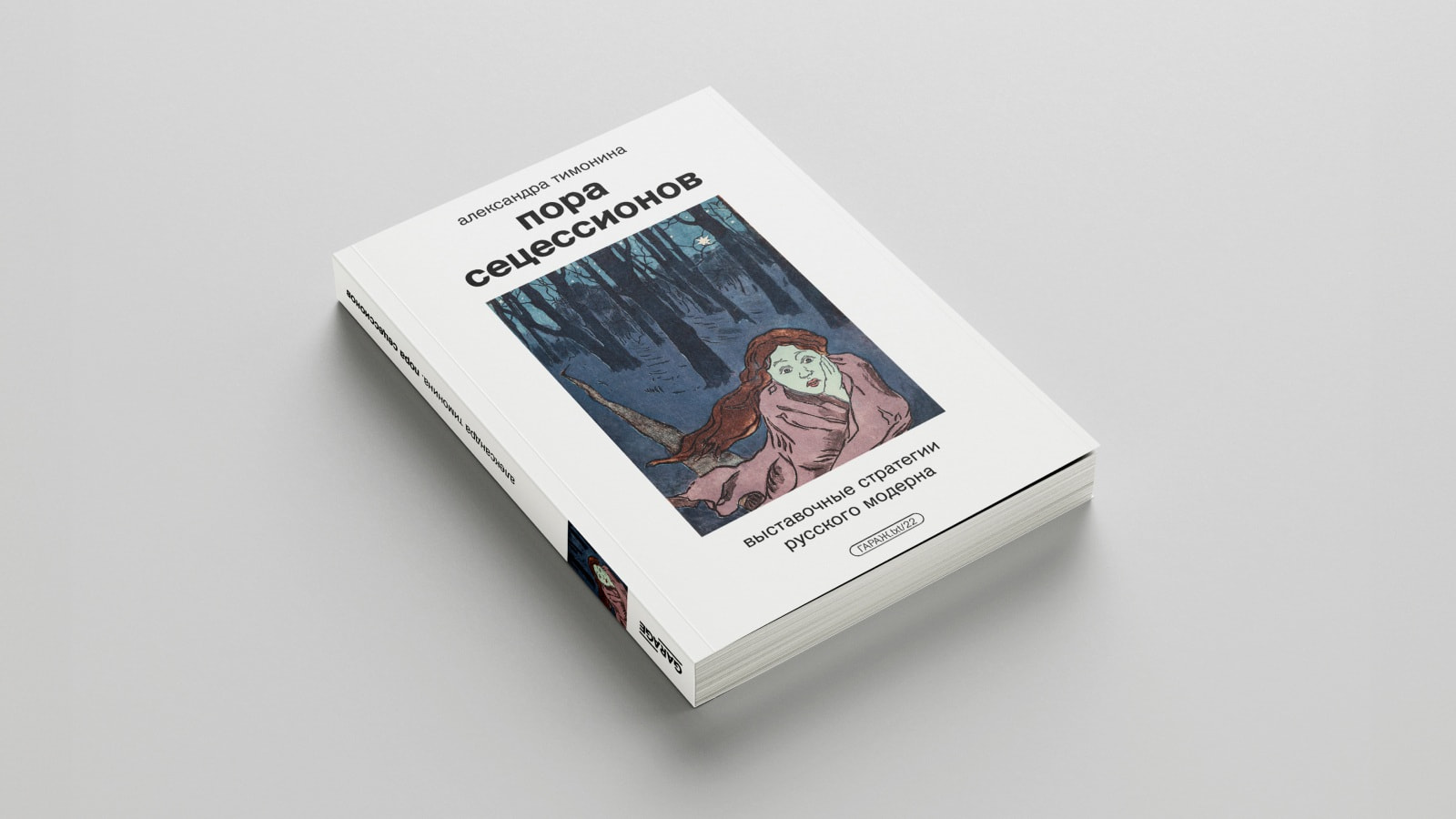
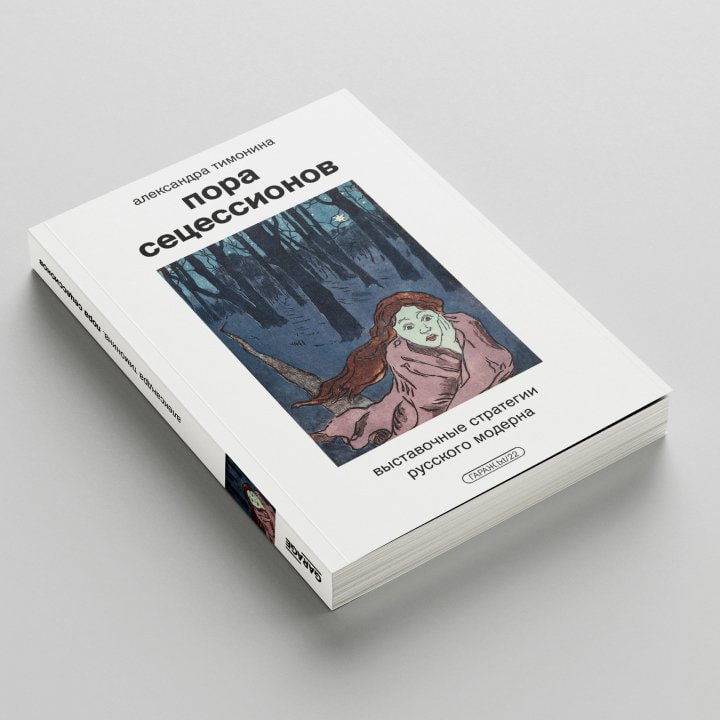
In the late nineteenth and early twentieth centuries, a new format of artistic self-organization emerged in Europe: the independent exhibition association.
Examples of this radical institutional shift included the new salons in Paris (the Salon des Champs-Élysées and the Salon d’Automne) and the Secessions in German-speaking countries (Munich, Vienna, Berlin). During the same period in Russia, artists, critics, and cultural figures such as Benois, Diaghilev, Grabar, Korovin, Pasternak, Polenova, Roerich, Serov, Somov, Ettinger, Yakunchikova, and later others became increasingly interested in new expressive languages and exhibition practices in European countries, while simultaneously striving for recognition on the international stage. This book examines their exhibition trajectories to show how the culture and values of the Secessions—as modernist formations—shaped the lives and careers of these artists, while also offering a fresh perspective on a number of key episodes in their work.


